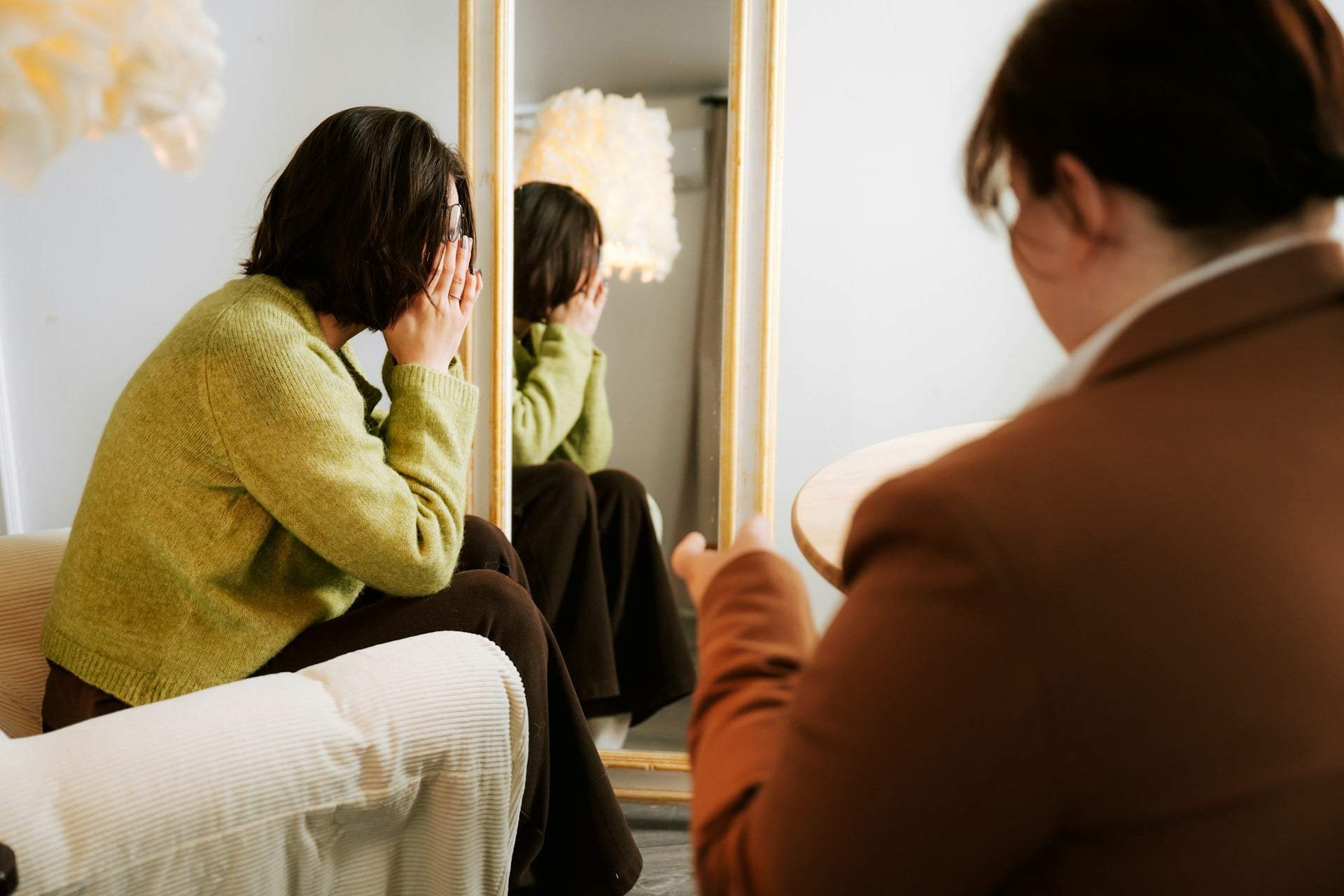
Just a few years ago, I often found myself automatically saying yes whenever someone asked for help, invited me somewhere, or requested something—even when every part of me was silently resisting. I was afraid of hurting others, being seen as selfish, or disappointing someone. Maybe if I didn’t go this time, I wouldn’t be invited again. But through my personal growth journey—after reading many books and attending group and individual therapy—I learned something far more valuable: saying no isn’t a sin; it’s an act of loving self-protection.
One phrase has stuck with me forever: “When you say no to something you don’t want to do, you’re actually saying yes to yourself.” This thought still guides me whenever I face tough decisions.
But what will others think?
Most people aren’t afraid to say no itself—they worry about what others will think afterward. Will they get offended? Turn away? Backtrack or start gossiping? Over time, I realized that those who truly love and respect me value my honesty, not my need to please. And those who don’t? They’re not worth my time or energy.
Research shows people who regularly overcommit and can’t say no are more prone to burnout and depression. Is that really what we want for our loved ones? Hardly. Especially since we know that setting healthy boundaries leads to feeling more balanced and happier.

Saying no isn’t selfish—it’s being true to yourself
For a long time, society—especially towards women—pushed the idea that we’re lovable only if we please everyone and are always on call. The automatic expectation is a “yes”: always available, adaptable, helpful, and smiling even when we don’t feel like it or lack the energy. But this expectation is not only outdated—it’s exhausting. Over time, it can lead to ignoring our own needs, burnout, and loss of confidence.
But saying no doesn’t mean we’re indifferent or insensitive—quite the opposite! Those who can honestly express what they can’t take on or don’t want to join in with build more authentic, clear, and honest relationships with others and themselves.
First, clarify what you truly want
Many struggle to say no because they aren’t sure what they want to say yes to. Self-awareness is key here. The better you understand your values, needs, and what realistically fits into your time, the easier it becomes to set boundaries.
It also helps to notice when you feel uncomfortable after saying yes—this discomfort often signals you actually wanted to say no. These little signals are important guides!

We fear feedback and emotional reactions
We often overthink how others will react—yet they usually don’t see rejection as the drama we imagine. It’s important to remember: we’re not responsible for others’ feelings or reactions, only for our own boundaries!
Those who truly care will understand that you matter to yourself, and that your relationship remains valuable even if you’re not always available or on call. This is what separates shallow ties from real, deep, and mutually respectful connections!
Saying no gets easier with practice
Saying no is a skill you can learn. It might feel uncomfortable at first, but with practice, it becomes natural. Start small with everyday decisions—even writing it down, like I did, to gather my thoughts. Later, I could express myself more confidently in conversation. Now, I say no right away to things I don’t want to do. From there, it was just one step to asking for help when I need it. The result? My days aren’t overloaded, I make time for myself, and I feel more balanced in every relationship.
The goal isn’t to never say yes again or avoid any uncomfortable tasks, but to know that your yes is truly valuable when it comes from the heart—not habit or fear. And when you say yes like that, everyone benefits in the long run!