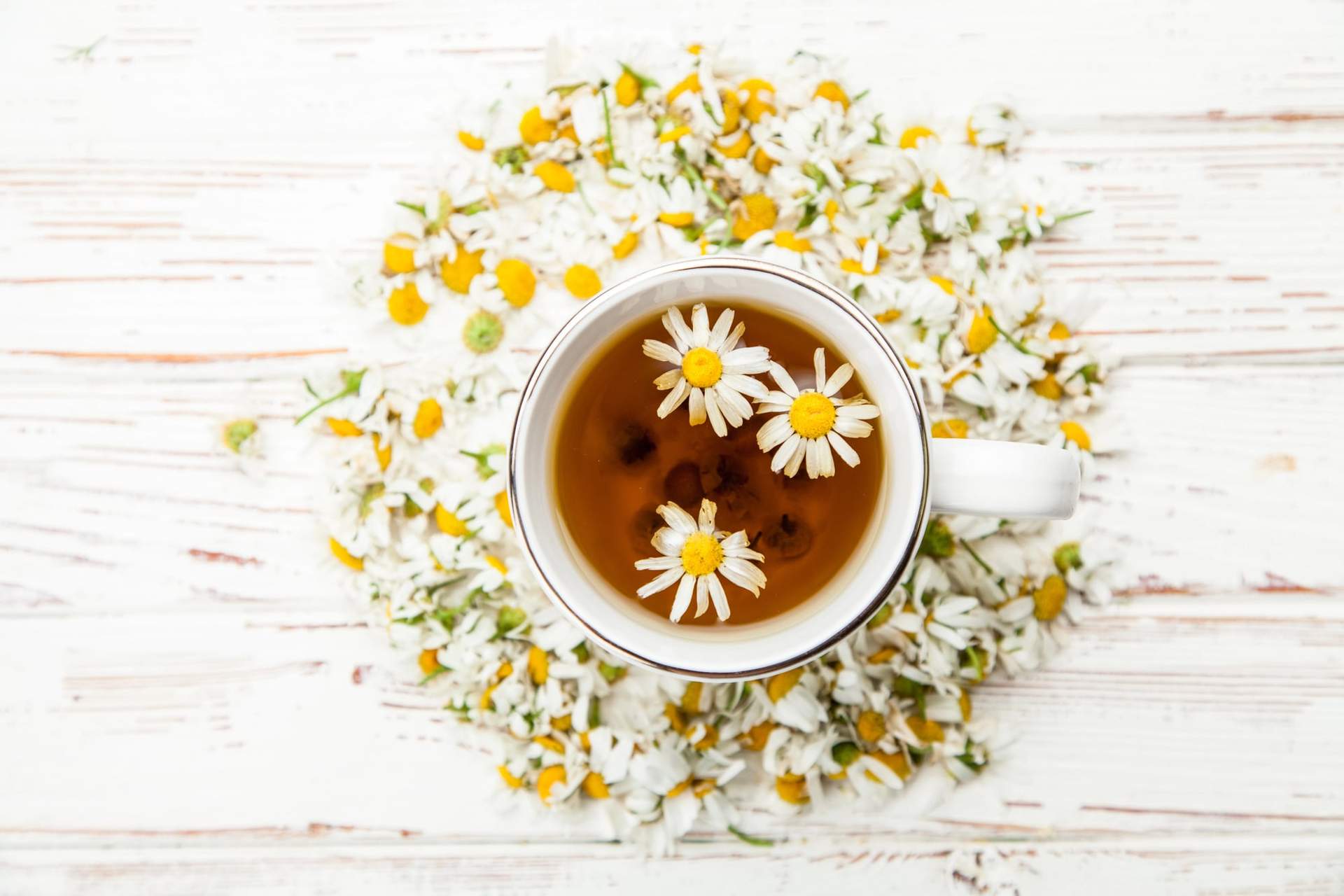
People have noticed violet’s healing powers since ancient times, using it widely for various ailments because it was accessible to almost everyone in spring. Back then, it was believed to have cleansing properties, so people wove it into wreaths for big feasts and celebrations, wearing them on their heads. Once the fresh plant finished blooming, they dried it to preserve its benefits for later health uses. It was even thought to have love-enhancing effects, with its essence mixed into potions to win hearts. In Rome, wealthier citizens sprinkled it into their drinks, believing violet would purify them and protect against hangovers and nausea.
Violet’s culinary and beauty industry roles were recognized by historic rulers too. Queen Elizabeth adored candied violet and added it to many meat dishes and salads. Napoleon was also a fan of this purple marvel, and Marie Louise was making violet perfumes as early as the late 1700s and early 1800s.
Violet’s Healing Powers Are Versatile
Today, violet is still used for many ailments. A tea made from its leaves is a true cough suppressant, mucus reducer, and natural fever reliever, making it highly effective for colds and flu-like illnesses. It helps you sweat out toxins, calming every nook and cranny of your body. Thanks to its excellent mucus-thinning effect, it’s helpful for respiratory issues, easing asthma and bronchitis symptoms. The steeped flowers can soothe eye inflammation and mouth sores, while the pressed oil is great for treating cradle cap on babies’ heads. This purple herb can also regulate blood pressure, so it’s a handy ally for heart and vascular health.
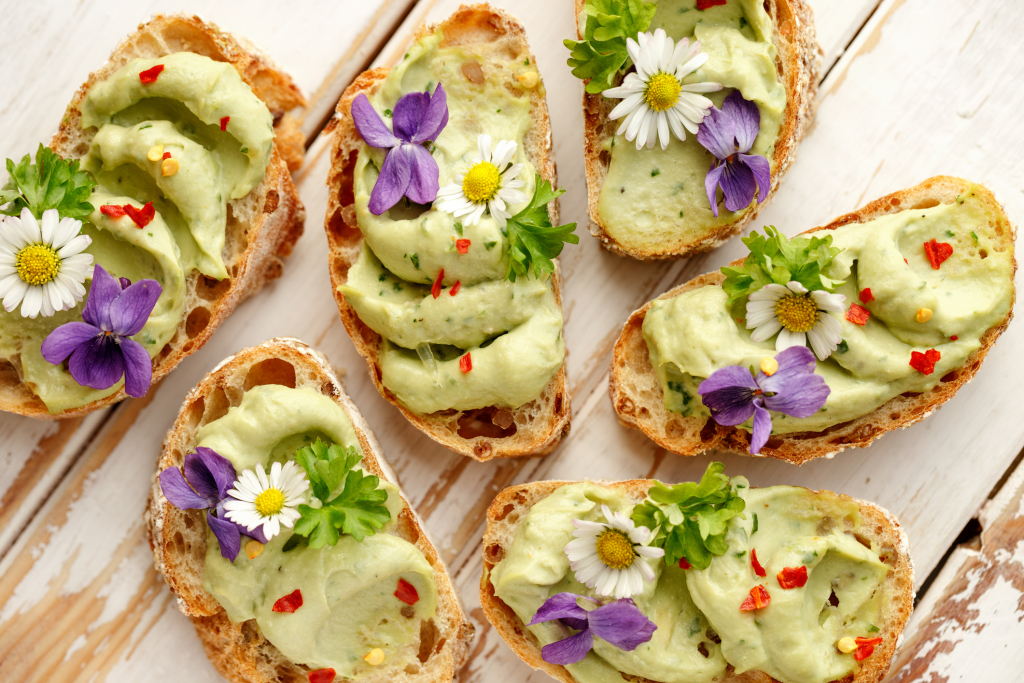
Purple Wonder—Packed with Antioxidants
Violet is loaded with powerful antioxidants and flavonoids that have anti-inflammatory effects. They help eliminate harmful bacteria and free radicals that damage cells. Rich in vitamins E and C, violet boosts your immune system and detoxifies your body effectively thanks to its disinfectant properties.
Because of its antioxidants, violet can support certain skin conditions—both externally and internally. It promotes cell regeneration, speeds up wound healing, and eases symptoms of psoriasis and eczema. Plus, it’s a gentle but effective way to fight acne, which is why many acne-fighting skincare products contain violet oil or extracts of the plant.
Beyond that, violet is a blessing for digestion. It soothes excess stomach acid, stimulates liver and kidney function, and cleanses the body of harmful toxins.
For all these reasons, violet is an excellent choice if you’re thinking about spring detox, supporting gut health, or even aiding weight loss.
How Can We Use It?
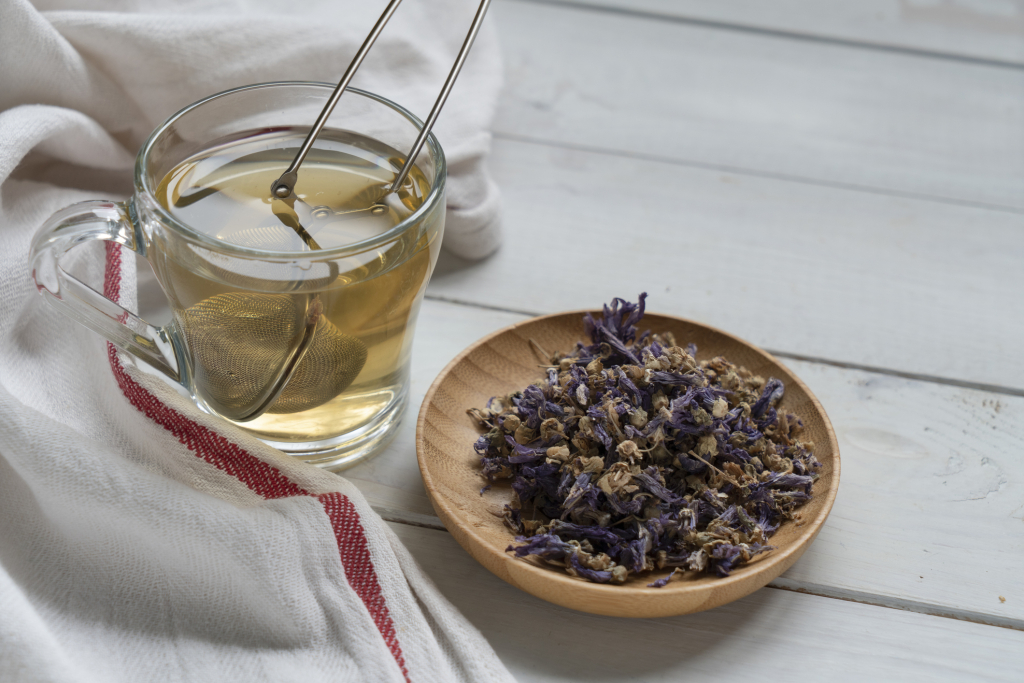
To enjoy the healing benefits mentioned, it’s important to choose the right form of violet. Herbal tea helps ease cold symptoms, supports treatment of rheumatic issues, and aids digestion. Tinctures are great for cough relief and mucus reduction. For external problems like skin inflammation, gentle rubbing with violet preparations is best. Compresses made from violet are recommended for cracked skin, eye inflammation, and other irritations by experts and research.
Of course, before using violet in any form, always do your homework and consult your healthcare provider. Like anything, violet can have side effects or unexpected reactions. For example, its root contains saponins that act as a mild laxative, so excessive use might cause vomiting.