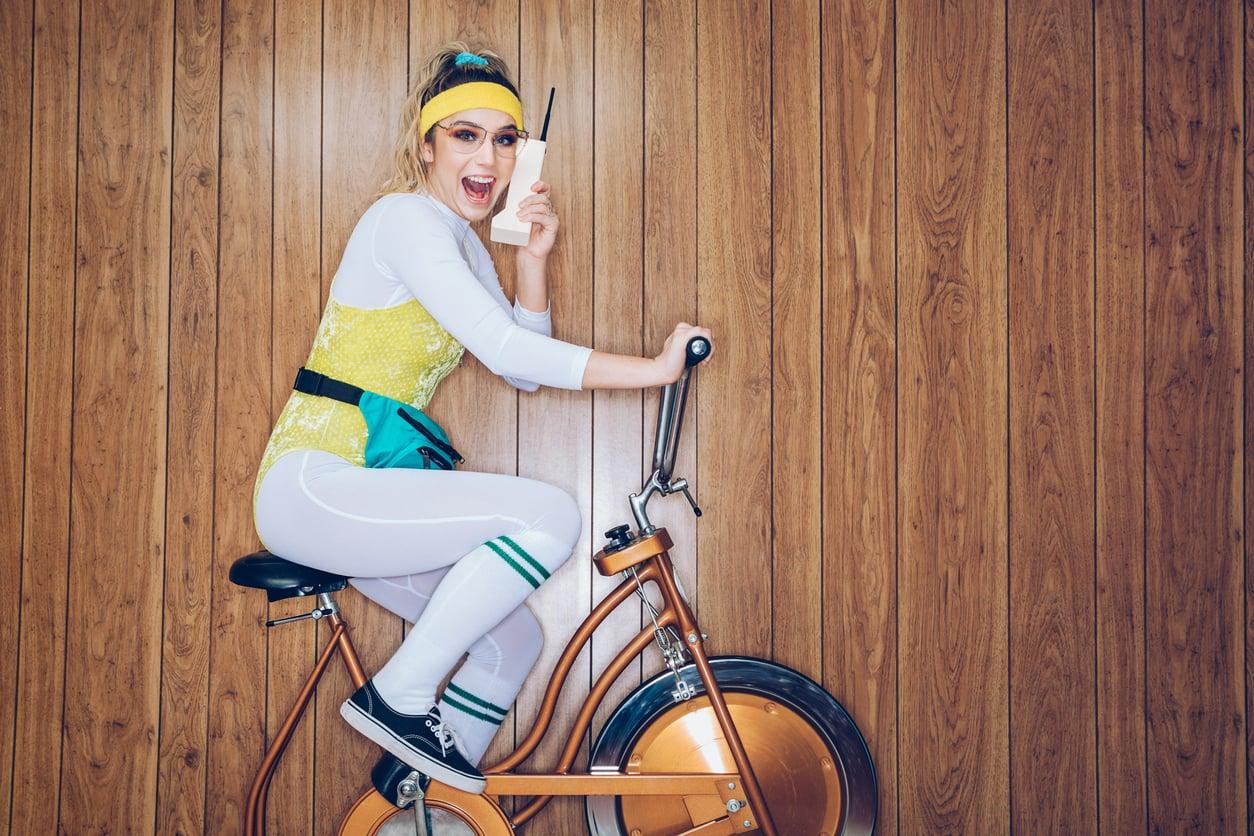
Before algorithms told us what to love, and before we carried the world’s news in our pockets, there was a brief, breath-catching moment when we truly owned the present.
We Want to Remember This Life
Sometimes, when an old hit plays on the radio or I spot a worn, slightly yellowed photo in our family album, a strange, nostalgic feeling washes over me. It’s like arriving at a safe harbor where perfection wasn’t the standard. I know the world has turned a lot since then, and those of us smiling in baggy sweatpants in the photo have become completely different people.
Still, more and more of us feel—even those who were barely a thought back then—that those decades held something uniquely honest. Something that’s simply missing from our daily lives now.
When the Moment Ruled
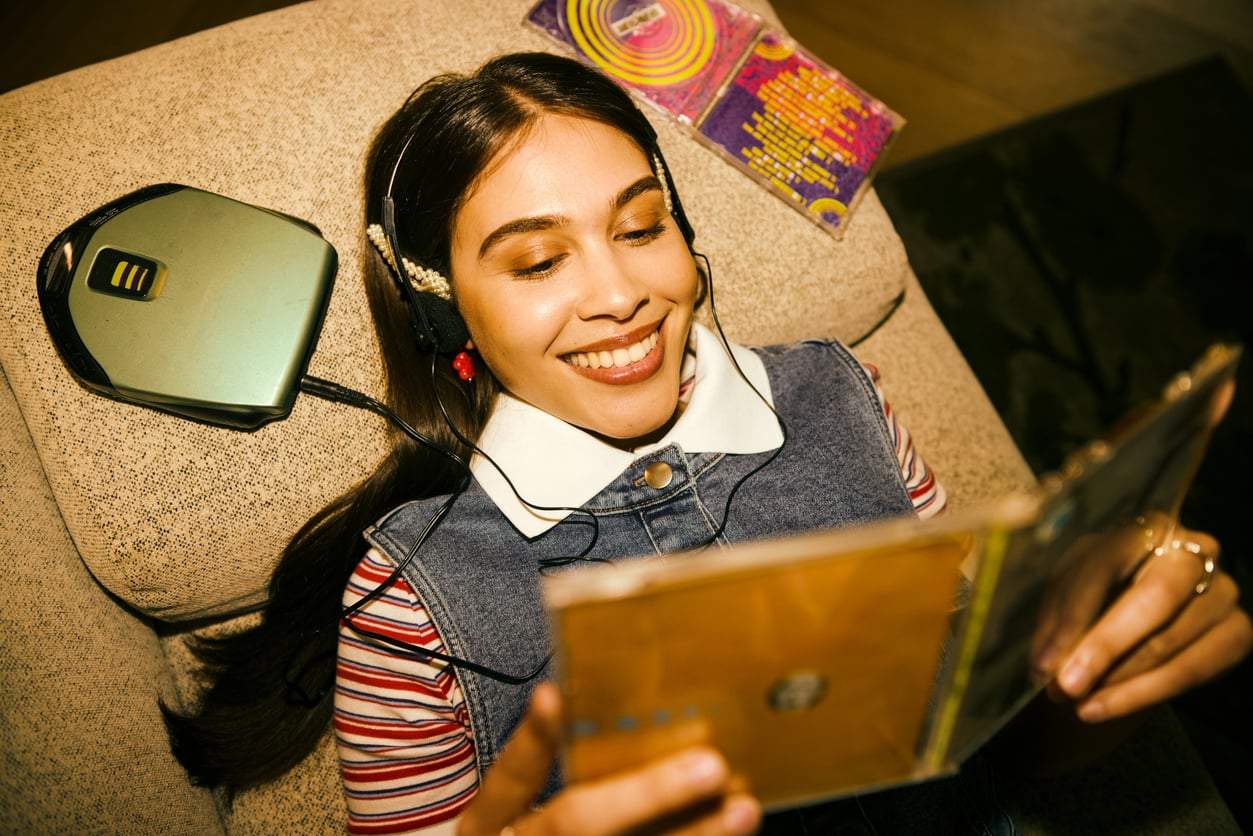
I look back with nostalgic, sometimes aching heart to a time when technology worked for us, not the other way around. I remember the ritual of going to the video store, smelling the distinct scent of plastic cases, and browsing the tapes, hoping the latest comedy hadn’t been rented out yet.
We eagerly awaited holding the newest Garfield comic or BRAVO magazine, carefully taping the poster inside to our wall. Everything felt more tangible then: rewinding a cassette tape with a pencil, things had weight—they weren’t just a tap away in the cloud.
Nowadays, when we check emails in line or at the bus stop, it’s almost unbelievable to think that not long ago, we had to go to the library for internet and checking mail once a week was plenty.
This slow pace somehow brought calm: we had time to arrive, wait, and be present without notifications pulling us out of the moment every minute.
The Art of Real Connection
Today, chasing perfection and constant online presence are the norm, yet we deeply crave those genuine, unfiltered connections that defined the ’90s. Back then, community wasn’t just an option—it was the breath of daily life. We didn’t ask “where are you?” through Messenger; we simply rang the intercom or called out from the balcony.
Neighbors really knew each other, families gathered around the table more often over steaming meals, and friends didn’t need weeks to schedule meetups—it was enough to say “the usual spot” at five in the afternoon.
While nostalgia tends to soften the past, making us forget the uncertainties after the regime change, endless bureaucratic lines, and paperwork, it can’t take away that back then, we believed in each other. We miss the security of knowing that if trouble came, we wouldn’t face it alone in an impersonal, individualistic world, but with the support of our building, street, and friends.
The Scent of Hope in the Air
Maybe this era feels especially nostalgic to me because I grew up in the ’90s and around the millennium. But now, even those who weren’t born yet long to return. This strange feeling has a name: anemoia, the nostalgia for a time we never actually experienced, only know through stories and old videos.
Despite all the chaos after the regime change, that period carried the promise that anything was possible, and the doors to the future finally opened. Maybe that vibe still surrounds us today, making our longing for the ’90s even stronger.
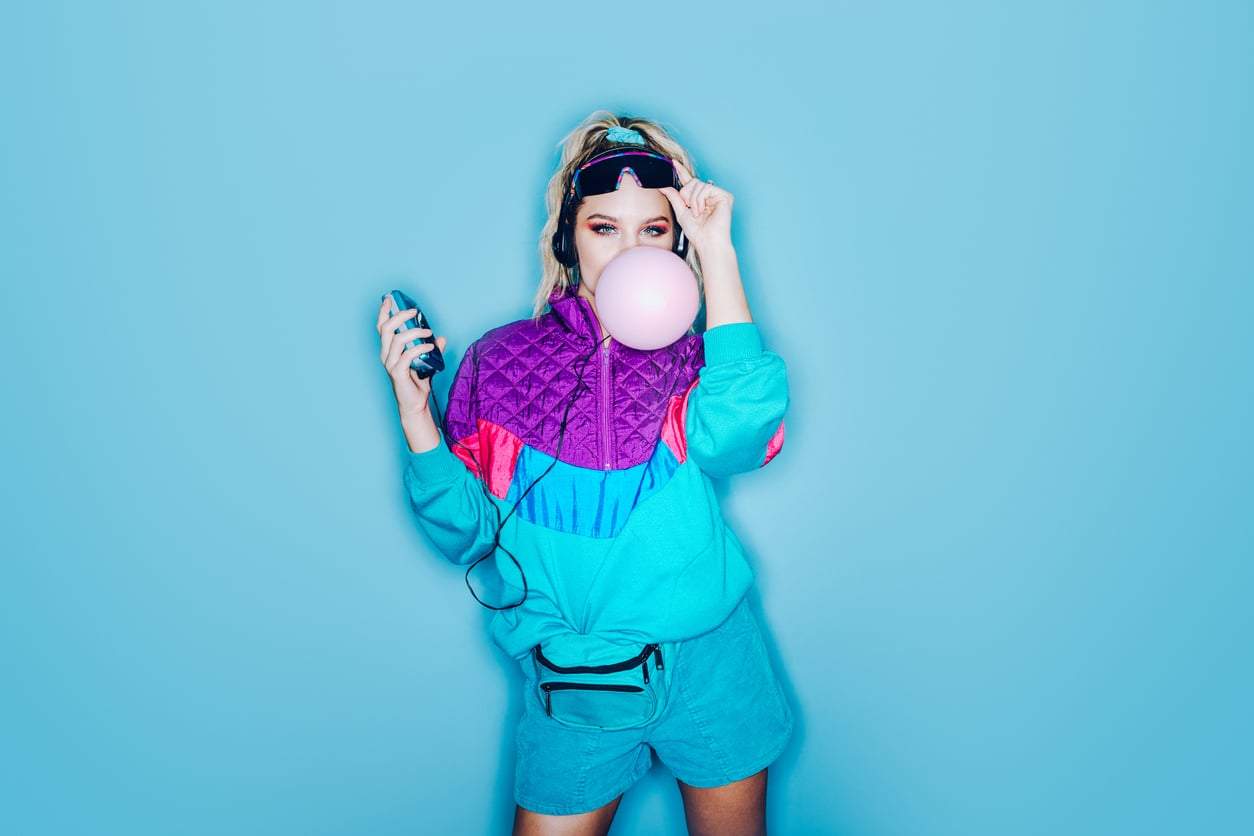
That’s why we love revisiting old fashion, the hits, and the vibrant colors of the era: in these little things, we seek simplicity and the belief that tomorrow can bring something better and more predictable.
Though we can’t turn back time—and there’s no point in getting stuck in the past—this longing teaches us an important lesson about the present. It reminds us that our happiness isn’t found in the newest apps or perfectly curated Instagram profiles, but in real human touch, shared laughter, and the ability to slow down.
Daydreaming about the ’90s simplicity is really a cry for help from our overloaded minds: it tells us we need the tangible and the real more than ever.