Every August, a version of the same headline sweeps through my group chats: someone has released a long-range winter forecast, and suddenly three people I know are talking about snowfall in a month when the pavement is still radiating heat at nine at night. I love it, honestly. It is a very human thing to want a plan for a season that hasn't arrived. But I have learned to separate the fun of the forecast from the usefulness of it, because the forecast is entertainment and the jobs are the part that changes how January actually feels.
Here is the thing nobody says clearly enough: almost every winter-comfort problem is a late-summer problem you didn't notice. Draughts, stiff window catches, a radiator that gurgles, a coat with a broken zip, a torch with corroded batteries. In August you can fix all of that in a warm house with the windows open and no urgency. In January you fix it standing on a cold chair in the dark, cross with everyone.
The twenty-minute outdoor walk-round
Take a slow lap of the outside of your home, or your balcony if that is what you have, with your phone in your hand for notes. You are looking for water and wind. Water: are gutters and downpipes clear of leaves and grit, are there blocked drains near the door, is anything standing in a place it shouldn't. Wind: does the letterbox flap rattle, are fence panels or trellis wobbling, is there garden furniture that will end up on its side in the first real gale.
Then look at the things that only matter once the temperature drops. An outdoor tap that needs draining or lagging. A hose that should be emptied and coiled indoors before the first frost splits it. Terracotta pots, which crack when the wet soil inside them freezes and expands; move the ones you love to a sheltered wall or raise them on feet so they drain. On my own balcony this is the job I always leave too long, and I have the ceramic shards to prove it.
Warmth is a layered problem, not a thermostat problem
Before you touch the heating, deal with the leaks. Run the back of your hand slowly around door and window frames on a breezy evening and you will find the gaps. Draught excluders, a brush strip on the base of an external door, replacing perished seals on a window that hasn't shut properly since spring: these are small, cheap, unglamorous jobs that make a room feel warmer without you turning anything up.
Radiators want attention now, too, not on the first cold morning. Bleed them so trapped air isn't blocking the top third, move the sofa off the one it has been leaning against since May, and check nothing is sitting on the shelf directly above throwing heat back at itself. If you use a boiler, a heating system or a chimney that needs a professional service, book it while diaries are still calm — the queue in October is the longest of the year, and the visit is genuinely the one thing I'd never skip.
The linen cupboard and the coat audit
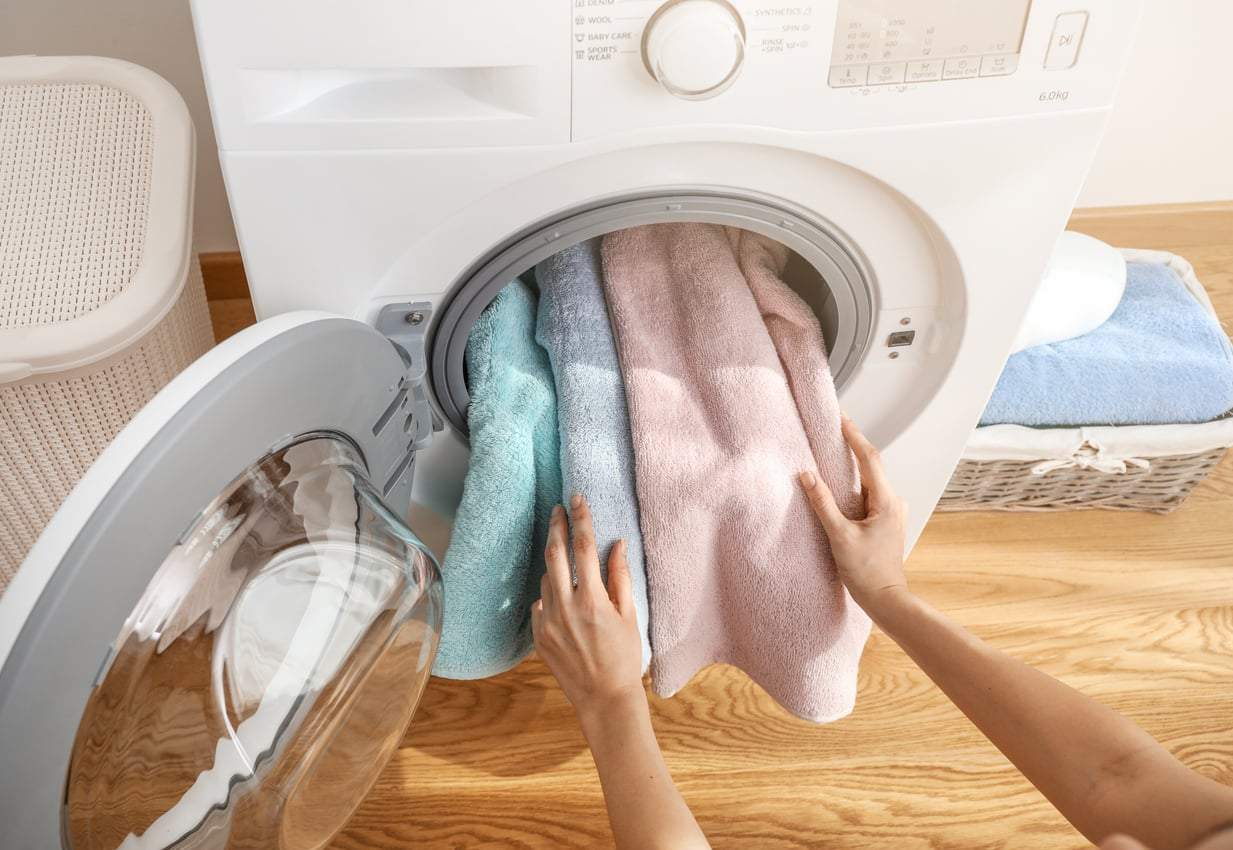
This is the part I actually enjoy. Pull out the winter bedding and wash it now while it dries outside in an afternoon. Check duvets for lumping, pillows for collapse, and hot water bottles for perished rubber around the neck — the failure point that always shows up at the worst moment. Bring the heavy throws down to a shelf you can reach without a ladder.
Then the coats. Try them on, all of them, including the children's, because a child who fit a coat in March will not fit it in November. Test every zip, count buttons, note missing gloves and single wellies. Whatever needs replacing goes on a list you buy from slowly across September and October, second-hand where you can, rather than in one panicked evening when the temperature drops eight degrees overnight.
Should I believe a long-range winter forecast?
Treat it as a story rather than a schedule. Long-range outlooks talk in broad tendencies across whole regions and whole months, which means they can be roughly right in spirit and entirely unhelpful for deciding whether you need a coat on a specific Tuesday. Enjoy the conversation, then prepare for the winter your region normally gets, because that preparation works no matter which way the season turns out.
What is the one job most people leave too late?
Servicing whatever heats your home, and checking your emergency basics at the same time. Torches, spare batteries, candles, a battery radio if you're somewhere with power cuts, and a couple of pantry meals you can cook without much fuss. It takes an afternoon in August and removes an entire category of stress later — the kind that always seems to arrive on a Sunday when nothing is open.