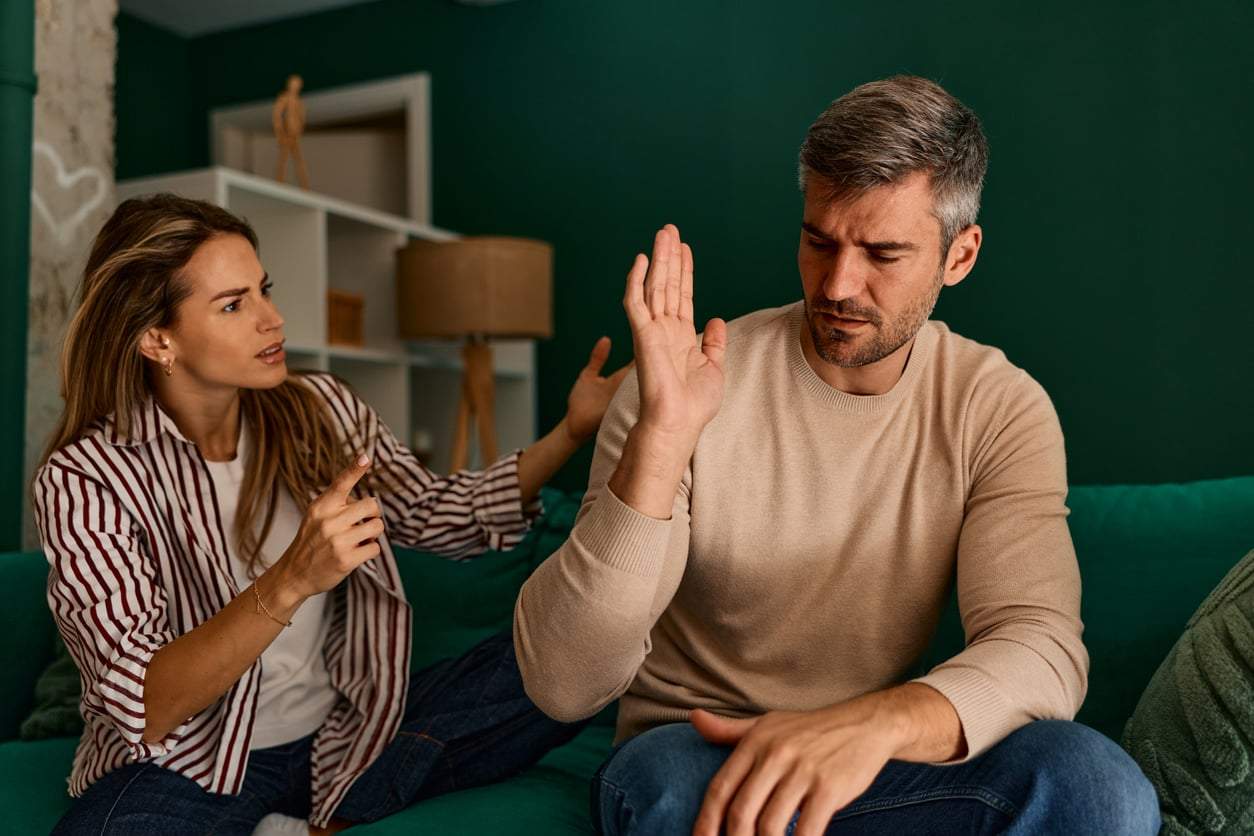
Jealousy shows up in almost everyone’s life in some way, since trust is one of the most delicate areas in our relationships. While some jealousy is a natural and understandable response, constant doubt and suspicion can cause real damage to your partnership.
The main trigger for jealousy is insecurity. This can come from within, like low self-esteem, or from outside influences, such as past painful experiences. If someone has been betrayed or cheated on before, they’re more likely to notice every little suspicious sign.
Sometimes, the unrealistic standards pushed by media can stir up unnecessary worries. Perfect relationship images and idyllic moments shared online can easily make us feel anxious.
Signs of Cheating
Instead of chasing every suspicion, focus on real signs. If your partner suddenly seems uninterested in your relationship, wants to spend less time with you, or shows unusual inattentiveness, these could be warning signals.
Another clear sign is a change in routine. If your partner suddenly starts working overtime or has less time for you without explaining why, it’s worth paying attention.
It can also stand out if they handle their electronics—like their phone or laptop—with unusual caution and hesitate to share them with you.
When Jealousy Becomes Irrational
Unfortunately, jealousy can sometimes reach irrational levels that threaten the healthy functioning of a relationship. The first step is always self-awareness—understanding the root cause of your jealousy.
Open communication often helps avoid misunderstandings. If your jealousy is based on real signs, the best move is to talk honestly with your partner. Honest conversations ease tensions and fears.

Self-Confidence and Relationship Dynamics
Reducing jealousy is closely tied to boosting our self-esteem.
When we know our worth and what we want, we handle relationship conflicts with more confidence. Self-confidence strengthens not only ourselves but also the dynamics of our relationship.
A healthy relationship is built on mutual respect and trust. When these foundations are strong, jealousy shows up less often. Working together on your shared future and goals can also strengthen your bond and reduce outside temptations.
When to Seek Professional Help
If jealousy or suspicion starts to negatively affect daily life, it’s a good idea to consider expert support. Couples therapy can help rebuild communication and restore trust.
Many hesitate to see a psychologist or relationship counselor, but this step can be the first toward saving your relationship. Self-reflection and teamwork can work wonders in securing your relationship’s future.