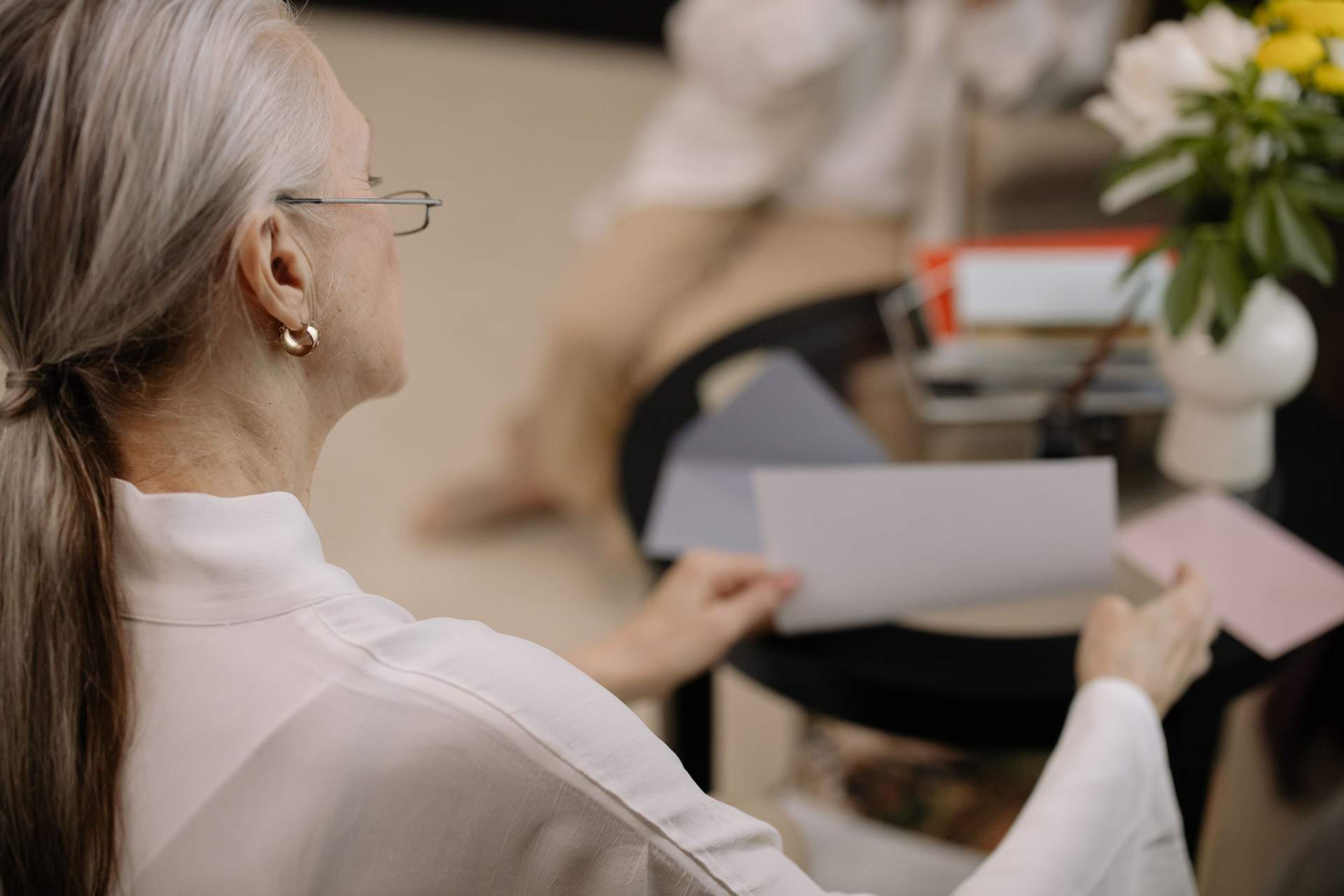
Ask someone what they have done to prepare for retirement and you will get an answer about numbers: contributions, projections, whether the mortgage will be gone. All necessary. But I have watched enough people cross that line to notice that the ones who struggle afterwards rarely struggle because the arithmetic was wrong. They struggle because nobody warned them that a diary can be empty in a way that feels less like freedom and more like being unplugged from the wall.
The financial planning gets all the attention because it is measurable. The rest of it — structure, identity, relationships, purpose — is harder to spreadsheet, so it gets left until the leaving card has already been signed. Here is what I would work through in the final twelve months instead.
Design the shape of a week, not just the balance of an account
Work supplies structure for free: somewhere to be, people expecting you, a reason to get dressed before nine. Remove it and the structure does not automatically get replaced by something better. It gets replaced by whatever is easiest, which is usually the radio, the kettle and the internet.
So sketch an ordinary week in advance. Not the holiday you are going to take — a wet Tuesday in February. What happens in the morning? Is there anything in it that someone else is relying on you for? Anchors matter enormously: a regular class, a volunteering shift, a standing lunch, a course with a term structure. Two or three fixed points in a week are usually enough to hold the rest of it together.
Notice where your sense of usefulness has been living
For many women, work has quietly carried more than income. It carried competence, being consulted, being the person who knew how something was done. That does not vanish at retirement, but its outlet does, and the gap can feel unexpectedly personal — a kind of invisibility that has nothing to do with age and everything to do with no longer being needed on a Thursday.
Work out in advance where that capability is going to go. Mentoring, a board or committee, a community organisation, teaching the thing you spent thirty years learning, or a few days a month of consulting. It doesn't have to be grand. It has to be real, and it helps enormously if someone somewhere is slightly inconvenienced when you don't turn up.
Have the conversation with the person you live with
If you share a home, retirement changes their life too, and they may have feelings about it that they have not said out loud. Suddenly two people are occupying rooms that one person used to have to herself. Household jobs that were divided by availability need redividing. Someone's lunchtime routine is about to be observed and commented on.
Talk about hours, not just plans: how much time do you each expect to spend together, and how much alone? Who does what now? What are you each looking forward to that the other might not share? Couples who negotiate this openly tend to find the first year delightful. Couples who assume it will be obvious tend to find it abrasive by about March.
Try it before you commit to it
If your employer allows any form of phased or reduced hours, take it — a four-day week for a few months is the cheapest possible trial run. If not, use annual leave deliberately: take a full fortnight and live it as if you were retired, without a holiday to distract you. It sounds joyless. It is extremely informative. You will discover within four days whether your imagined future has enough in it.
How do I know if I'm actually ready to retire?
Readiness is rarely a feeling of certainty; it is more often the point where the pull of what's next is stronger than the pull of what you'd be leaving. A useful test is whether you can describe what you'll be doing in specific terms — names, days, places — rather than in general ones like "resting" or "finally having time". If your answer is still entirely abstract, that isn't a reason to stay forever, but it is a reason to build the answer before the date.
What if my partner retires before me — or years later?
Staggered retirement is very common and it creates a strange asymmetry: one person's week empties while the other's stays full, and the one still working can feel quietly resentful of the free afternoons. Name it early, agree what the retired partner takes on at home, and protect some shared time that isn't just evenings when one of you is tired. It also helps to agree what the working partner is allowed to expect to come home to — clarity here prevents a lot of low-level irritation later.