Opinion piece by Barbara Lee
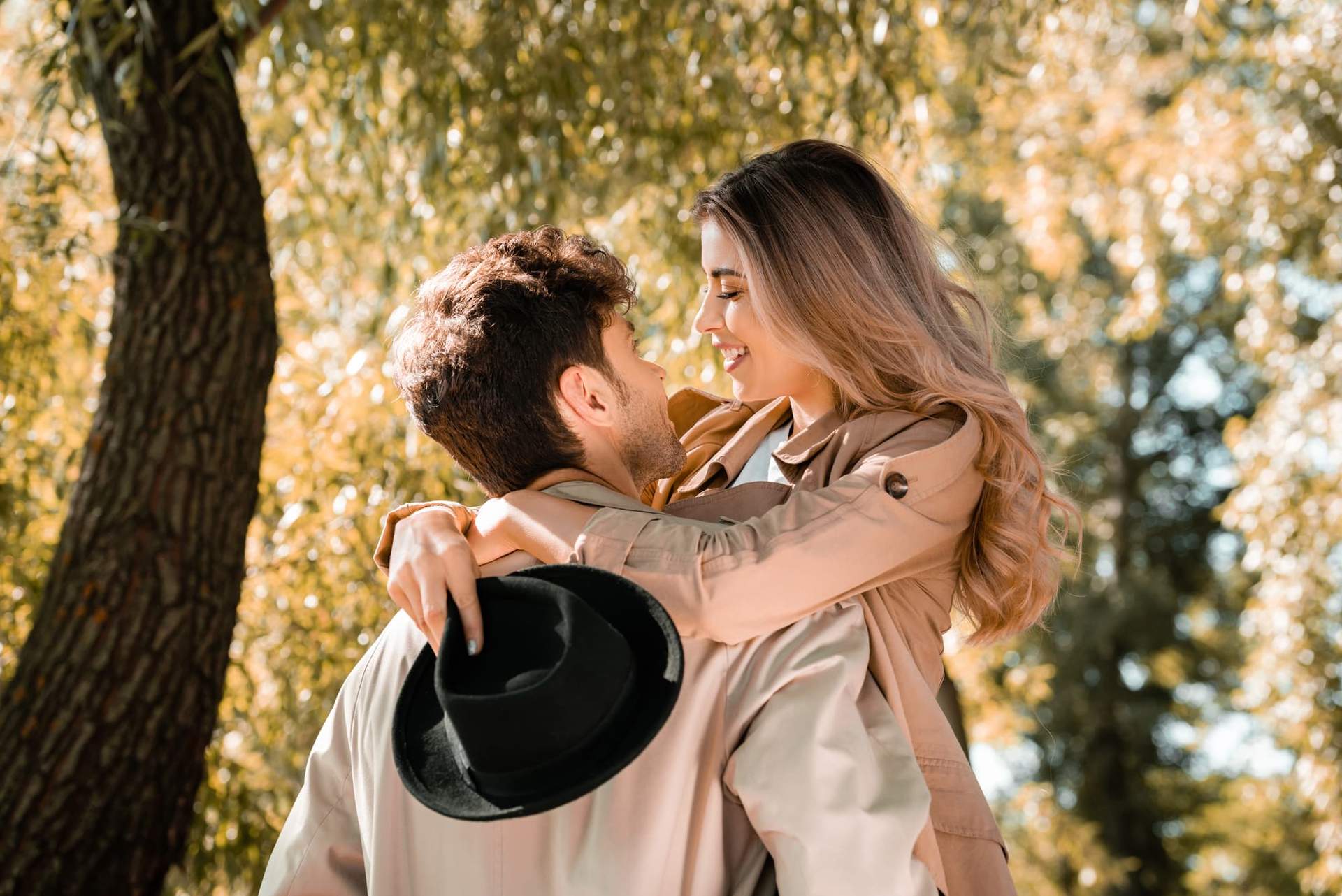
I first noticed it somewhere around my teenage years. Even back then, flooded with hormones and restless energy, my longing for love didn't burn at the same intensity all year round. You can absolutely fall in love in winter — but when spring arrived, something shifted in me. It was like someone had quietly turned up the volume. I thought about passion more. I wanted it more. Every feeling became sharper, more vivid, more urgent.
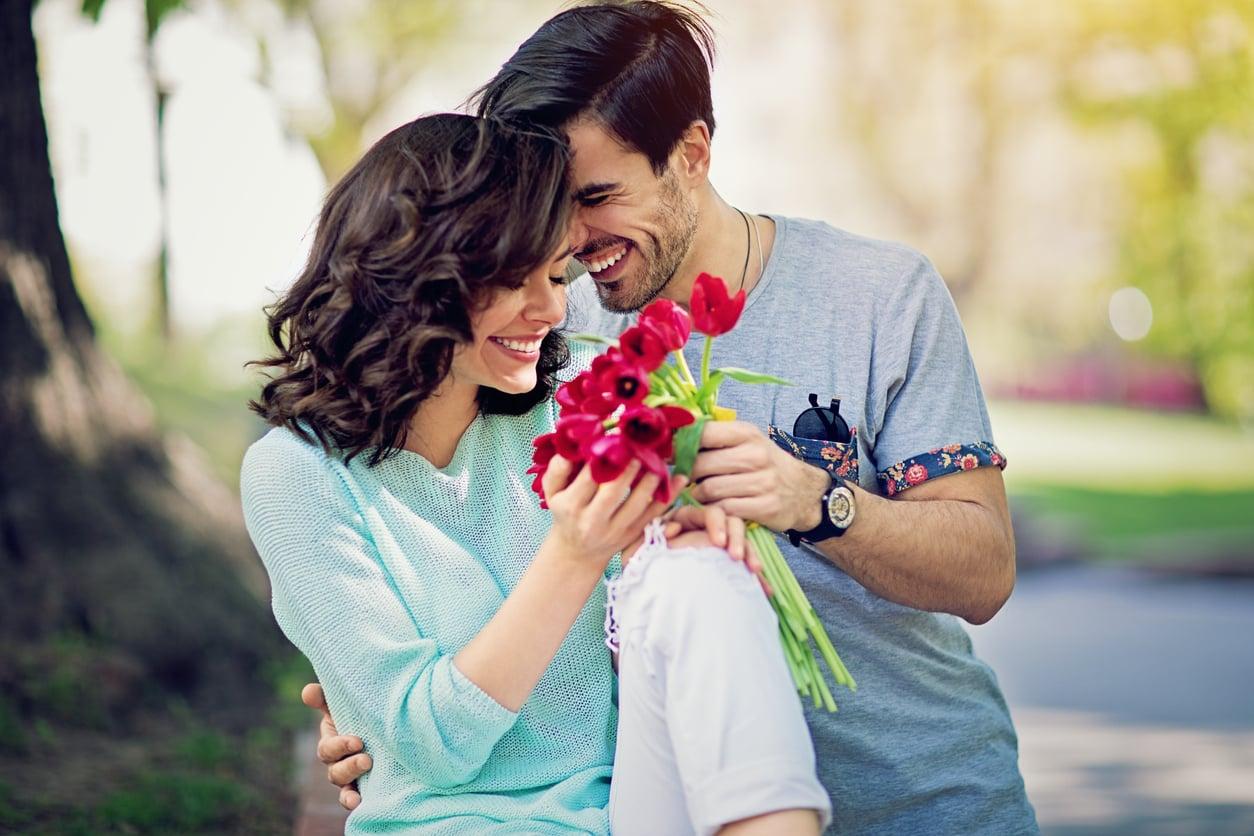
That hasn't changed. I still feel it every single year. As the weather warms, the days stretch longer, and I start spending more time outside, something inside me stirs awake. When I was single, I suddenly became far more open to meeting someone new — quicker to say yes to a date, more likely to look up and notice the people around me, and somehow more convinced that something wonderful could actually happen. And when I was already in a relationship, I didn't want someone else. I just wanted more of what I already had: more closeness, more touch, more shared moments that felt alive.
Spring and summer as the seasons of love — it's almost a cultural cliché, but there's real science behind it
Biology offers some pretty clear answers. More sunlight means more serotonin, which lifts our mood and boosts our overall sense of wellbeing. At the same time, light directly affects melatonin production, the hormone that regulates our sleep-wake cycle.
In spring and summer, we tend to have more energy, feel less exhausted, and that alone makes us more open to connection.
Then there are the classic "love hormones": dopamine and oxytocin. Dopamine is tied to novelty and reward; oxytocin to bonding and intimacy. Neither is strictly seasonal — but the environment of warmer months, with its abundance of new experiences, social situations, and physical closeness, creates exactly the right conditions to trigger both.
There's also an evolutionary angle that might sound a little unromantic at first, but makes perfect sense: historically, the warmer months were simply better for finding a partner and raising offspring. Food was more plentiful, people spent more time together, and survival odds were higher. It's no coincidence that seasonal patterns in attraction and relationship behavior are still measurable today. And perhaps it's part of why summer weddings have always felt so right.
But psychology might be the most fascinating piece of all
As the weather improves, we simply spend more time among people. We go out more, sit on terraces, take walks, travel, and run into others far more often. The number of opportunities grows — and with it, the chance that someone will catch our attention.
Love is often not an internal decision — it's the result of an encounter. And in spring and summer, there are simply more of those encounters.
And then there's what I think of as the "bare skin factor": lighter clothes, more skin, more self-expression. Not always consciously, but we're all a little more present in our own bodies during these months. That builds confidence — and confidence is attractive. It also makes us more willing to reach out, to connect, to take a small risk on someone.
What I find especially interesting is that this feeling doesn't disappear when I'm already in a relationship. It just transforms. I'm not looking for someone else — I'm looking more deeply for the person I already have. I want to spend more time together, experience more, touch and be touched more fully. As if summer were made not just for new love, but for deepening the love that's already there.
None of this means you can't fall in love in winter, or that summer romances are somehow more "real." It's simply that certain conditions make love more likely to bloom — and warmth, light, freedom, and openness together create exactly those conditions.
Nature's rhythm moves through us too. In spring, everything restarts — it greens, it blooms, it reaches toward the light. That renewal doesn't only happen around us. It happens inside us. It becomes easier to begin again, easier to believe that this time, things could be different. And love, at its heart, is always a kind of beginning. Maybe that's why spring and summer feel like exactly the right time for it.