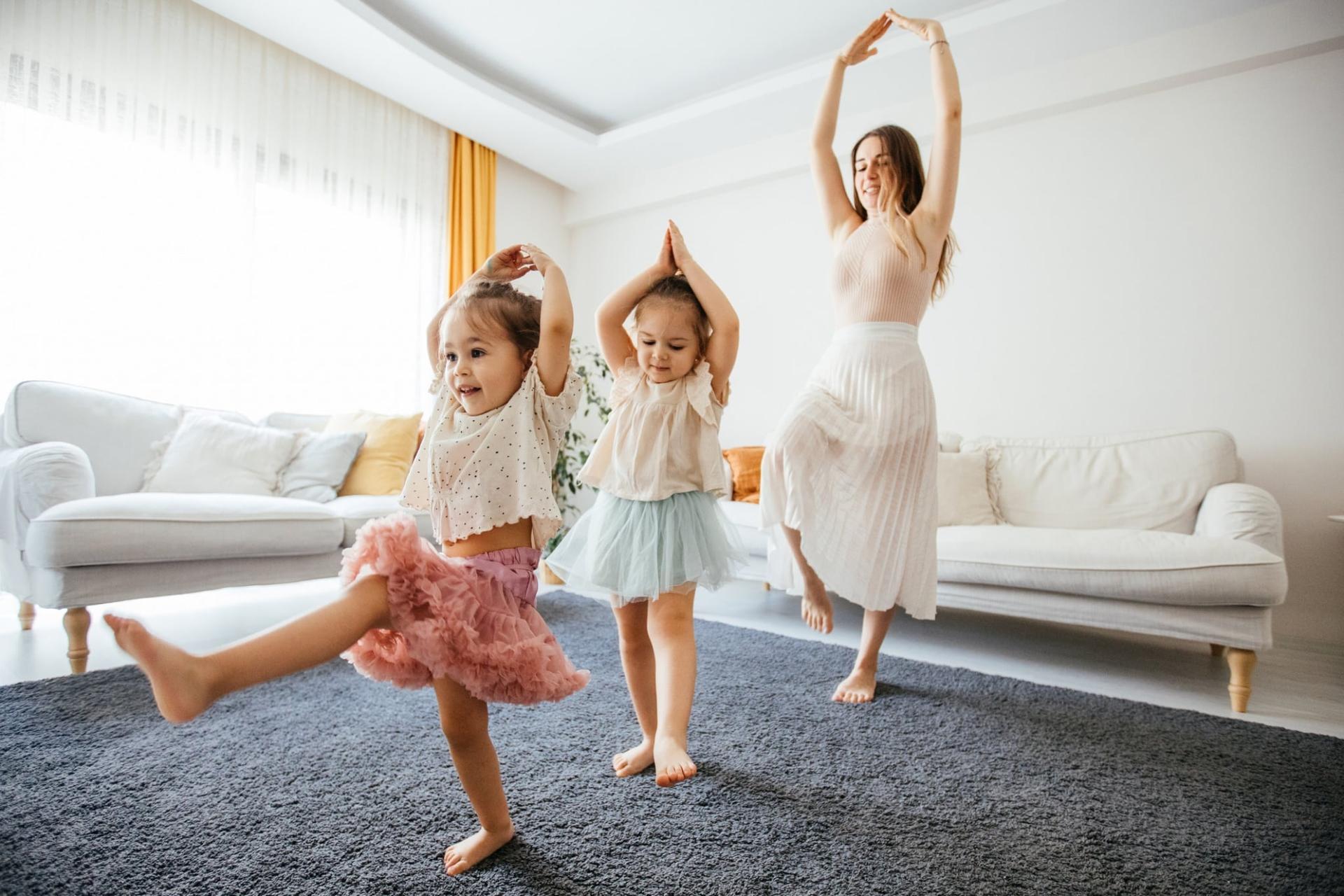
When a new baby joins the family, one of the most common questions on parents’ and relatives’ minds is how much the little one will resemble mom or dad.
Watching a child grow and seeing how their unique personality traits unfold is truly fascinating. Yet, psychological research consistently challenges the idea that children’s personalities directly mirror those of their parents.
Genetics, upbringing, and environment all play key roles in shaping a child’s personality.
One well-known genetic study, discussed by Dr. René Möttus, revealed that the complex interplay of genes doesn’t necessarily lead to direct personality similarities between parents and their children.
Fascinating Findings from Psychological Research
Recent scientific studies support the idea that children don’t simply inherit personality traits from their parents. Dr. René Möttus and his team found that children don’t exactly follow their parents’ psychological patterns. This is partly due to what’s called “genetic chaos,” meaning inheritance patterns aren’t straightforward or linear.
Modern psychology also emphasizes the importance of environmental influences. A child’s personality develops significantly through parenting styles, social surroundings, and personal experiences. These factors combine to create a unique personality that often differs from that of the parents.
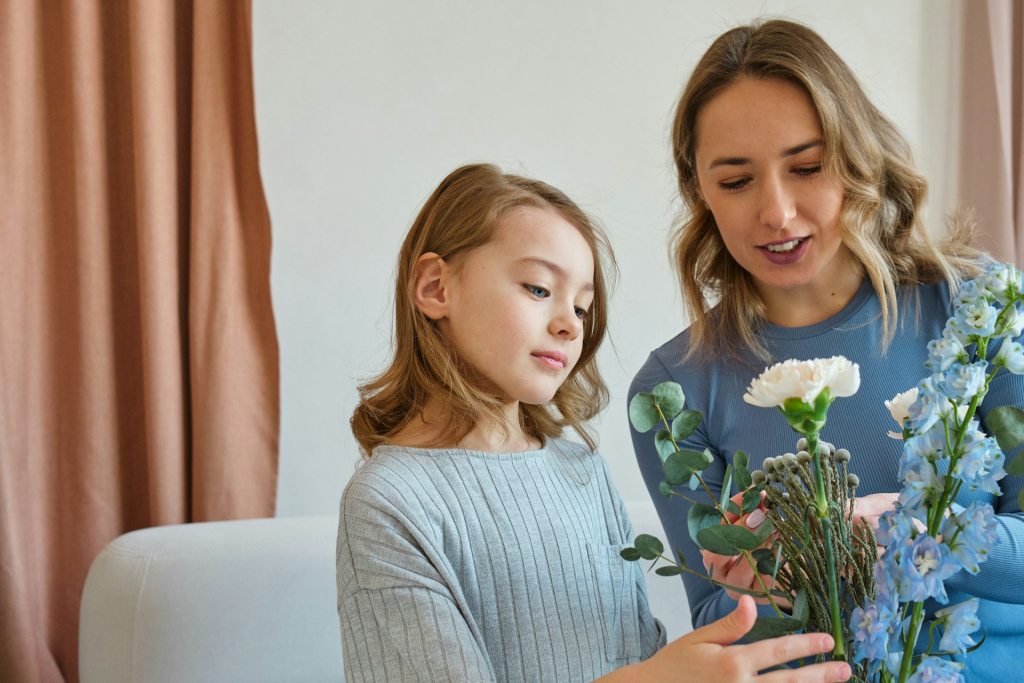
The Dimensions of the Parent-Child Relationship
It’s also important to understand how the dynamics between parents and children influence personality development. Family bonds and parental expectations—especially love and support—shape how children see themselves and the world.
Children often shape their own character based on what they experience at home, but this doesn’t mean these traits are directly inherited.
Researchers have conducted many studies to better understand how early environments affect children’s personalities. These studies highlight children’s natural ability to adapt and learn different traits and behaviors throughout life.
What This Means for Parents
For parents who often look for similarities and patterns in their children’s behavior, these insights can be truly freeing. It’s key to realize that while genetics and environment shape personality together, children ultimately create their own unique selves. This means parents’ role is more about support and encouragement than strict control.
At the end of the day, the greatest gift parents can give is trust and support—allowing kids the freedom to grow and become independent individuals. A child’s personality flourishes best when they have the space to explore the world at their own pace and discover who they truly are.