
They say the eyes are the window to the soul, and it’s true—our gaze shares so much about who we are. Mastering eye contact isn’t just a simple communication trick; it’s the key to deeper connections. How we look at someone reflects our feelings and intentions, shaping how interactions unfold.
The Psychology of Eye Contact
To grasp why eye contact matters so much, we first need to step back and look at the complex world of human communication. Faces, especially the eyes, instantly impact our senses and help us subconsciously understand social cues. Nonverbal signals during eye contact—like pupil dilation or a subtle eyebrow raise—can instantly reveal our emotional state.
Studies show that when we respond with eye contact, certain brain areas light up—those responsible for recognizing emotions and forming bonds. That’s why a deep, heartfelt glance can say more than hours of conversation.
How Eye Contact Affects Others’ Feelings
Eye contact helps build trust and conveys a sense of connection and safety. A steady but gentle gaze radiates confidence and fosters mutual trust in conversations. On the flip side, too intense or prolonged eye contact can feel uncomfortable or even aggressive.
By respecting personal space, we create a balanced eye contact that maintains and even boosts rapport. Our gaze can guide the flow of communication, emphasize key points, or ease tension.
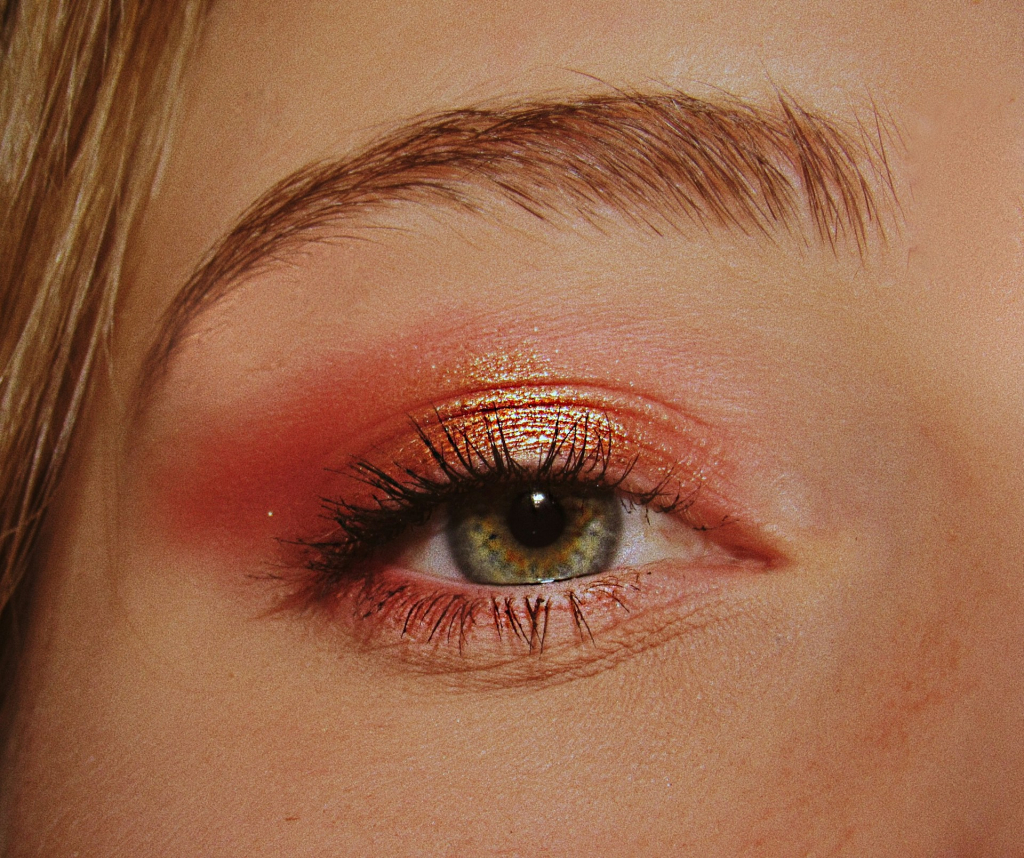
Different Meanings of Eye Contact
Eye contact means different things across cultures. In Western societies, direct eye contact often signals respect and honesty, while in some Asian cultures, avoiding direct gaze can be a sign of respect. Knowing these cultural norms helps us avoid misunderstandings and unintended rudeness.
When working or traveling internationally, understanding eye contact’s meaning can lead to smoother, conflict-free interactions. Cultivating empathy and respect for diverse cultures supports building meaningful global connections.
How to Improve Your Communication Skills
Consciously improving your eye contact can make you a stronger communicator. Start by observing how you use your eyes in daily interactions. Aim to hold eye contact a bit longer, but always keep it natural.
Practice in front of a mirror to notice your reactions to different emotions. Try it with a friend or family member to get feedback and fine-tune your signals. To ease any anxiety around eye contact, consider communication workshops where you can practice in a supportive setting.
Eye contact is one of the oldest, most natural ways to connect. Developing it consciously benefits both your emotional and psychological well-being. A well-directed gaze can transform the quality and depth of your communication. Whether in personal or professional settings, mastering eye contact is a powerful key to building successful relationships.