The human face is an ancient mirror that often tells us more than we realize at first glance. Face diagnostics is a fascinating and diverse field where studying features offers deeper insight into our personality, emotional state, and relationship patterns. The shape of the nose not only holds aesthetic value but also reflects the nature of our personality and social connections.
Straight or Curved?
The nose sits right at the center of the face and tells something truly unique about its owner. According to ancient Chinese face diagnostics, the nose’s shape, size, and other traits deeply connect to one’s personality and ways of relating to others. Different nose shapes carry distinct qualities and reveal a lot about how we engage with people.
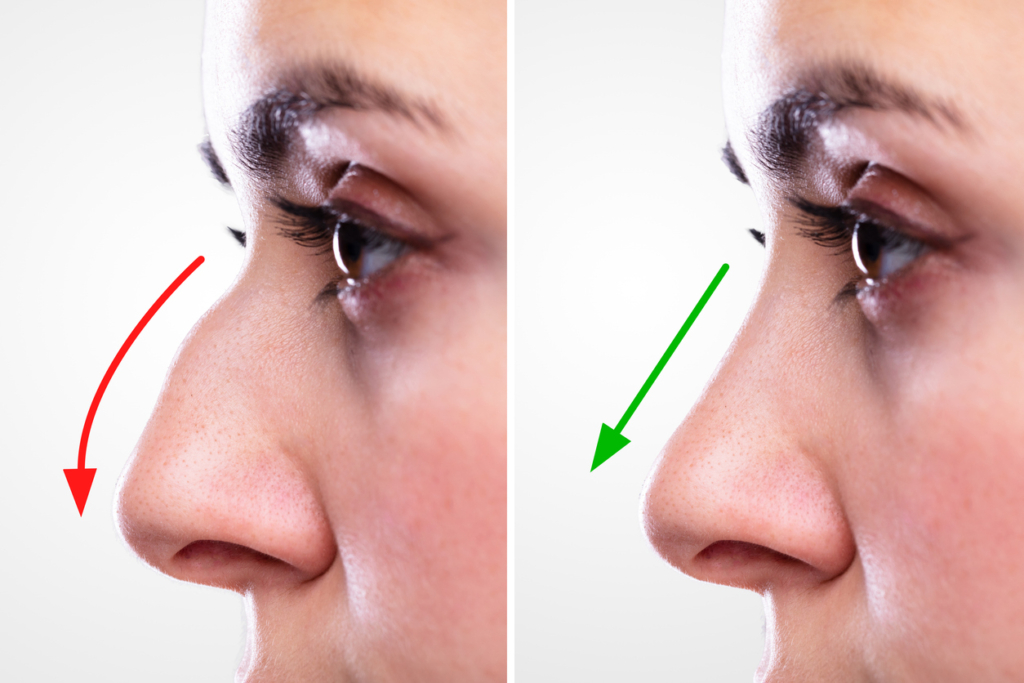
Straight Nose: People with straight noses are often seen as strong-willed, focused, and persistent. They connect with others confidently and assertively. It’s no surprise that they often take on leadership roles at work, and their self-assurance shines through in many ways.
Curved Nose: Those with a gently curved nose often stand out for their empathy and compassion. This feature suggests they can see things from multiple perspectives and have excellent communication skills, helping them build harmonious relationships.
How Large vs. Small Noses Affect Relationships
Large Nose: People with larger noses often have dynamic, powerful personalities. They bring energy and drive and enjoy taking charge. While they can be dominant, their creativity and decisiveness often positively shape their relationships.
Smaller Nose: Those with smaller noses tend to be more modest and reserved. Their natural empathy and kindness attract others. The calm they radiate creates space for close, meaningful friendships.
The Upper Part of the Nose

The upper part of the nose — around the bridge — often links to how sensitive or intuitive someone is. If this area is slightly more prominent, it may mean the person easily senses what’s coming or picks up on others’ feelings. This helps them build deeper, more successful connections by noticing subtle cues in behavior.
On the other hand, if the nose bridge is less pronounced, it tends to describe more logical, practical people. They make decisions based on reason rather than feelings. This can be helpful at work but might make connecting emotionally a bit harder.
While face diagnostics offers intriguing insights into personality and relationships, it’s important not to rely solely on physical traits. Self-awareness and mindfulness are key to truly understanding the depths of who we are and how we relate to others. People grow and change, and while our faces may have fixed features, our inner worlds are always evolving.