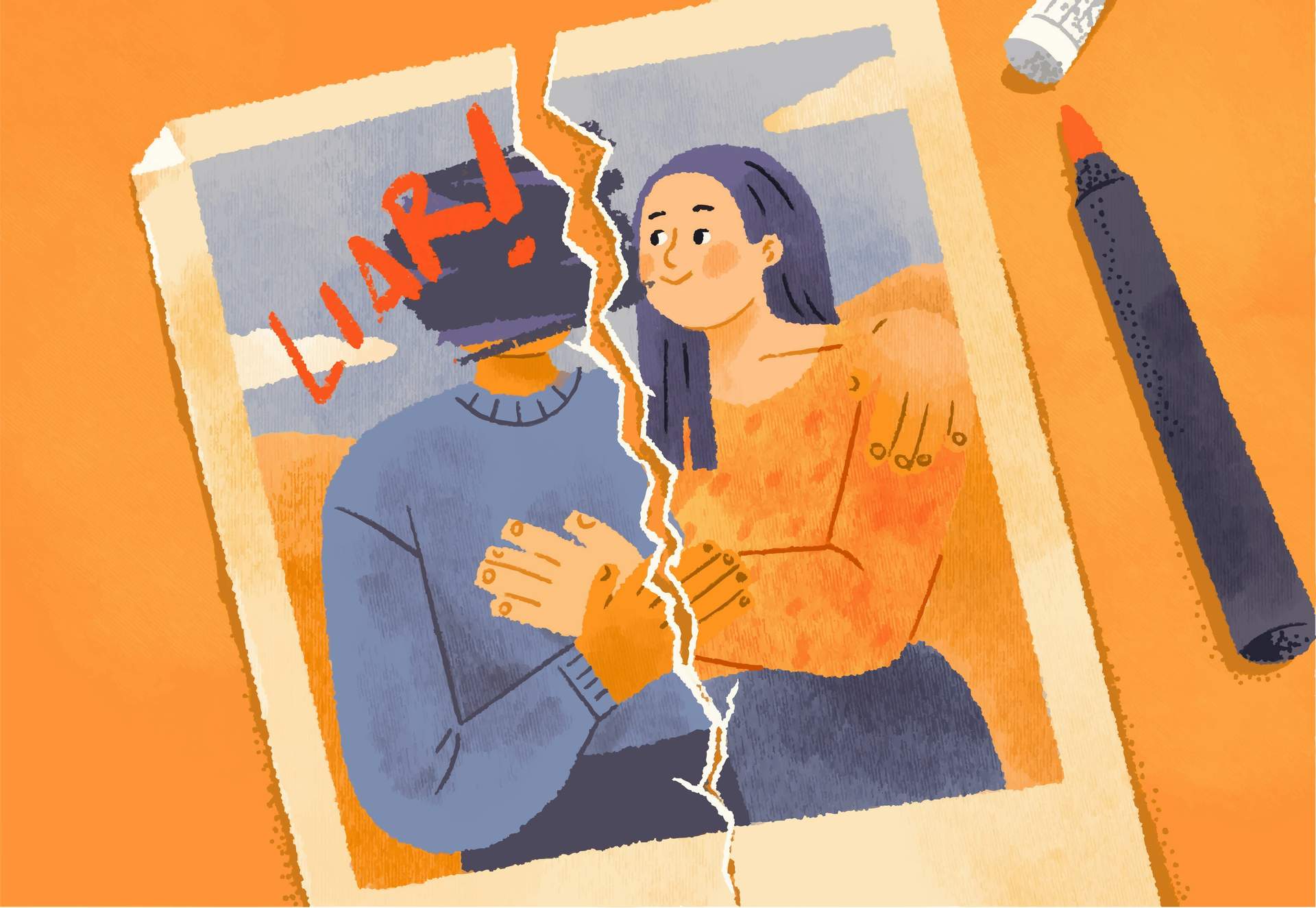
Leaving a toxic relationship isn’t easy—often, it’s not just the relationship dynamics but also the fears and habits within us that hold us back. Toxic relationships can slowly chip away at your confidence, isolate you from friends and family, and make you doubt what you truly deserve. But based on practical tips from psychologists, there’s a 10-step guide to help you step out safely and with confidence.
Recognize Toxic Dynamics
Before taking any action, understand this: the toxicity isn’t your fault. Psychologists say many stay in these relationships because they don’t notice the manipulation, hurt, or control. Even though these behaviors happen regularly, the person being hurt might feel responsible or blame themselves for the situation. Recognition is the first and most important step.
Seek Support
Don’t try to leave alone. Talk to a trusted friend, family member, therapist, or a coach. An outside perspective helps you see clearly, strengthens your decision, and offers emotional support when things get tough.
Don’t Downplay Disrespect
Don’t let anything slide as “just a joke” or “a small mistake.” Toxic people often criticize or belittle with seemingly reasonable excuses. If something consistently makes you feel bad, don’t ignore it: remember lack of respect matters, and you don’t have to tolerate that behavior.
Set Boundaries
Setting boundaries isn’t selfish; it’s self-care. Define what you accept and what you don’t—whether emotional, physical, or communication boundaries. Most importantly, enforce them—don’t make excuses for yourself.

Digital Detox
Removing a toxic person from your social media, messages, or deleting their number isn’t cruelty—it’s part of your healing. Online contact affects our emotions just like face-to-face meetings, so block or delete any channels that pull you back.
Build Independence
Toxic relationships often drain your energy, create dependency, and uncertainty. Start reclaiming your independence: focus on your own goals and plans, and envision a future that’s yours alone. This not only makes leaving easier but also boosts your confidence.
Prepare for Pushback
When you start setting boundaries or reduce contact, the toxic partner often tries to pull you back—through manipulation or drama. Remember, this isn’t you backing down; it’s part of the dynamic. Don’t let it shake your confidence.
Avoid “Returning to Your Roots”
Even after leaving, old relationship patterns may resurface—especially if you’ve seen similar behaviors from your parents or early relationships. It’s important not to give in to these deep, automatic reactions but to question them consciously.

Minimize Contact
Complete separation isn’t always possible—like when you share a workplace, children, or friends. In these cases, keep contact minimal: brief, factual communication, emotion-free conversations, and only the necessary interactions. This helps protect your emotional well-being.
Don’t Feed the Drama
When interaction is unavoidable, be neutral, unresponsive, and boring to the other person. This doesn’t mean suppressing yourself—it means not fueling toxic behavior, which reduces their emotional hold.
Leaving a toxic relationship isn’t a one-time decision—it’s a conscious journey. As you move through these steps, remember: you’re not alone, and you deserve a life filled with respect, love, and authenticity. Setting clear boundaries, building your support network, and prioritizing your needs are key to not just leaving the relationship but stepping toward something better.