There’s something incredibly comforting about seeing a clean kitchen after a long day. Dinner’s done, the pan is washed, a quick wipe on the counter, a lit scented candle—and you’re ready for a well-deserved binge-watch session.
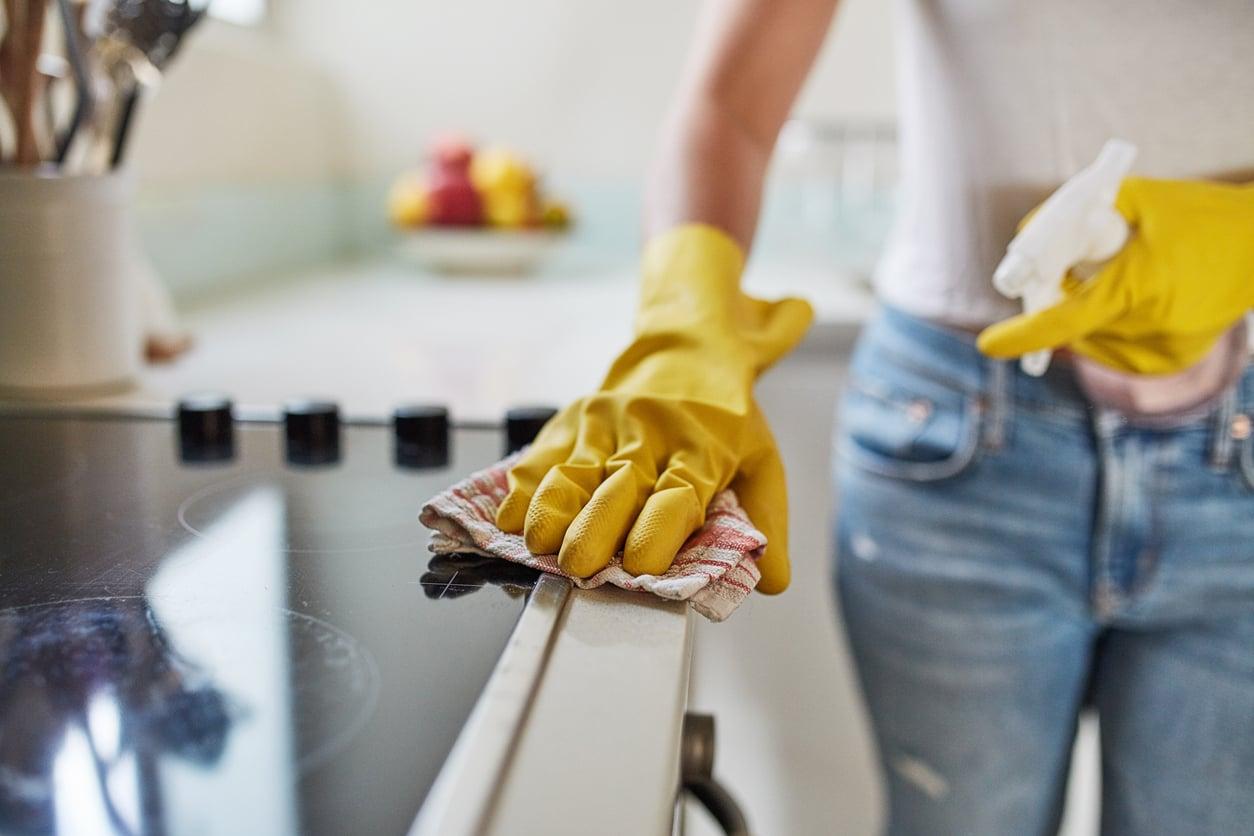
Most of us instinctively reach for trusty disinfecting wipes—they’re convenient, fast, and often pleasantly scented. But can these handy wipes really be used on everything?
Southern Living recently teamed up with expert Dean F. Tansman (VP of Operations at Dutch Harbor Brands & A World of Wipes) to shed light on a key fact: unfortunately, no. In fact, some surfaces can be seriously harmed when cleaned with disinfecting wipes.
Why Aren’t Disinfecting Wipes Good for Everything?
In many homes, cleaning and disinfecting get mixed up—but they’re not the same. Disinfecting kills germs, while cleaning removes dirt, dust, and grease. Plus, disinfecting wipes often contain ingredients that aren’t friendly to all materials—and sometimes can even pose health risks.
Tansman warns, “Disinfection works only if the wipe’s moisture stays on the surface for at least 15-30 seconds. Most people just give a quick swipe, which isn’t effective—and leftover chemicals can be dangerous, especially on surfaces where food is prepared."
10 Surfaces You Should Never Clean with Disinfecting Wipes
Vinyl (e.g., faux leather furniture, car seats)
Vinyl can crack or dry out from the alcohol in disinfecting wipes. Over time, it loses flexibility, becomes cracked, and discolored.
Try instead: mild soapy water or cleaners made specifically for vinyl.
Natural rubber (e.g., yoga mats, some household tool handles)
Aggressive cleaners can damage rubber, causing it to lose grip and age faster.
Try instead: warm water with gentle dish soap usually does the trick.
Gym equipment
Disinfecting wipes can harm synthetic coatings, and not all wipes kill every germ found on sports gear.
Pro tip: most gyms provide disinfectants designed specifically for their equipment.
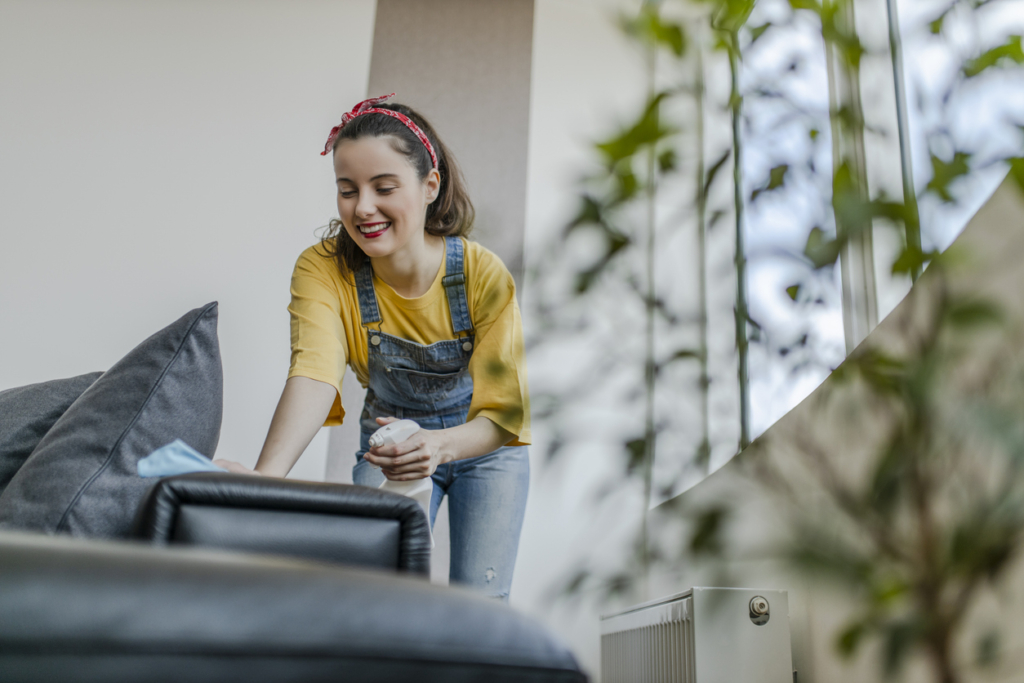
Leather (e.g., sofas, bags, car interiors)
Leather is delicate and can dry out, stain, or crack from disinfecting wipes.
Try instead: specialized leather cleaners and conditioners.
Solid wood floors
Too much moisture and chemicals can damage solid wood floors. Disinfecting wipes can soak into the wood, causing warping or staining.
Pro tip: use floor cleaners made for wood and a well-wrung cloth.
Cutting boards
Especially wooden or bamboo boards—disinfecting wipes can let chemicals seep into pores and later into your food.
Try instead: hot soapy water or vinegar solution, with occasional vinegar disinfection.
Untreated granite, marble, or wood
These natural surfaces are porous, and chemicals in disinfecting wipes can stain or damage them.
Pro tip: use pH-neutral cleaners made for natural stone.
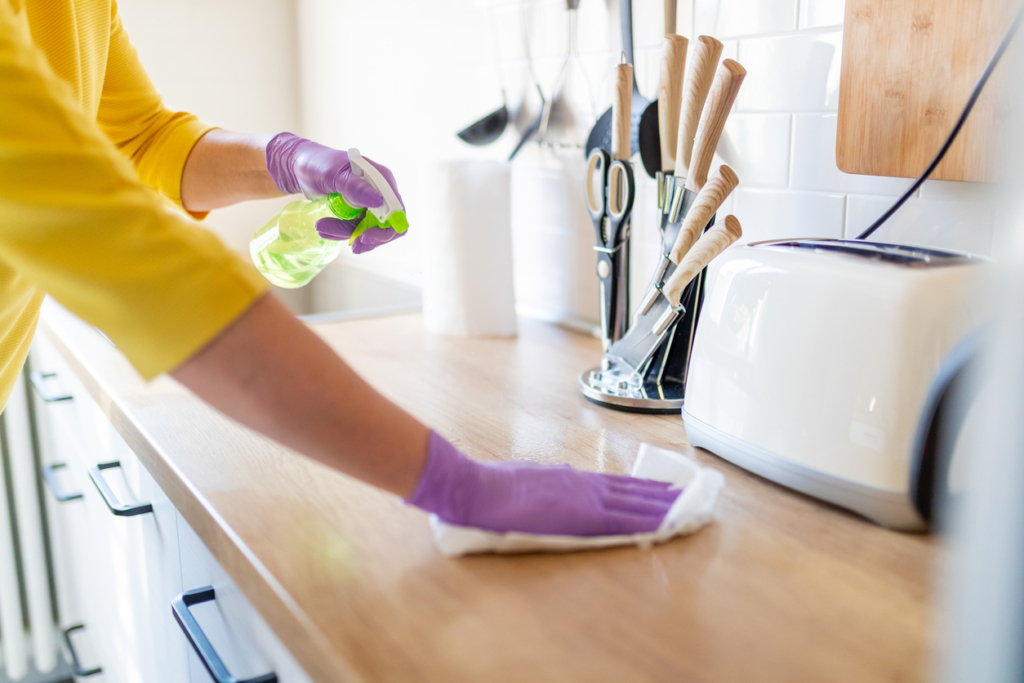
Food prep surfaces
Yes, even your kitchen counter—unless you rinse thoroughly with drinking water afterward. Chemicals shouldn’t linger where you prepare food!
Solution: natural, food-safe cleaners like vinegar and baking soda.
High chairs
It’s tempting to quickly wipe your child’s high chair with a disinfecting wipe, but those chemicals can easily transfer to little hands and mouths.
Try instead: warm soapy water or wipes safe for baby care.
Pacifiers and teething toys
Never clean these with disinfecting wipes! Swallowing chemicals can be very dangerous for babies.
Solution: boil or sterilize in a microwave sterilizer.
Disinfecting or Cleaning Wipes—It Matters Which You Use!
As Tansman emphasized, not all wipes disinfect! Many household wipes just clean—they remove dirt, grease, and dust but don’t kill bacteria. Disinfecting wipes are effective against germs, but only if they stay wet on the surface long enough.
Think of disinfecting wipes as a “stronger tool” to pull out only when really needed. For everyday cleaning, regular wipes or cloths do just fine.