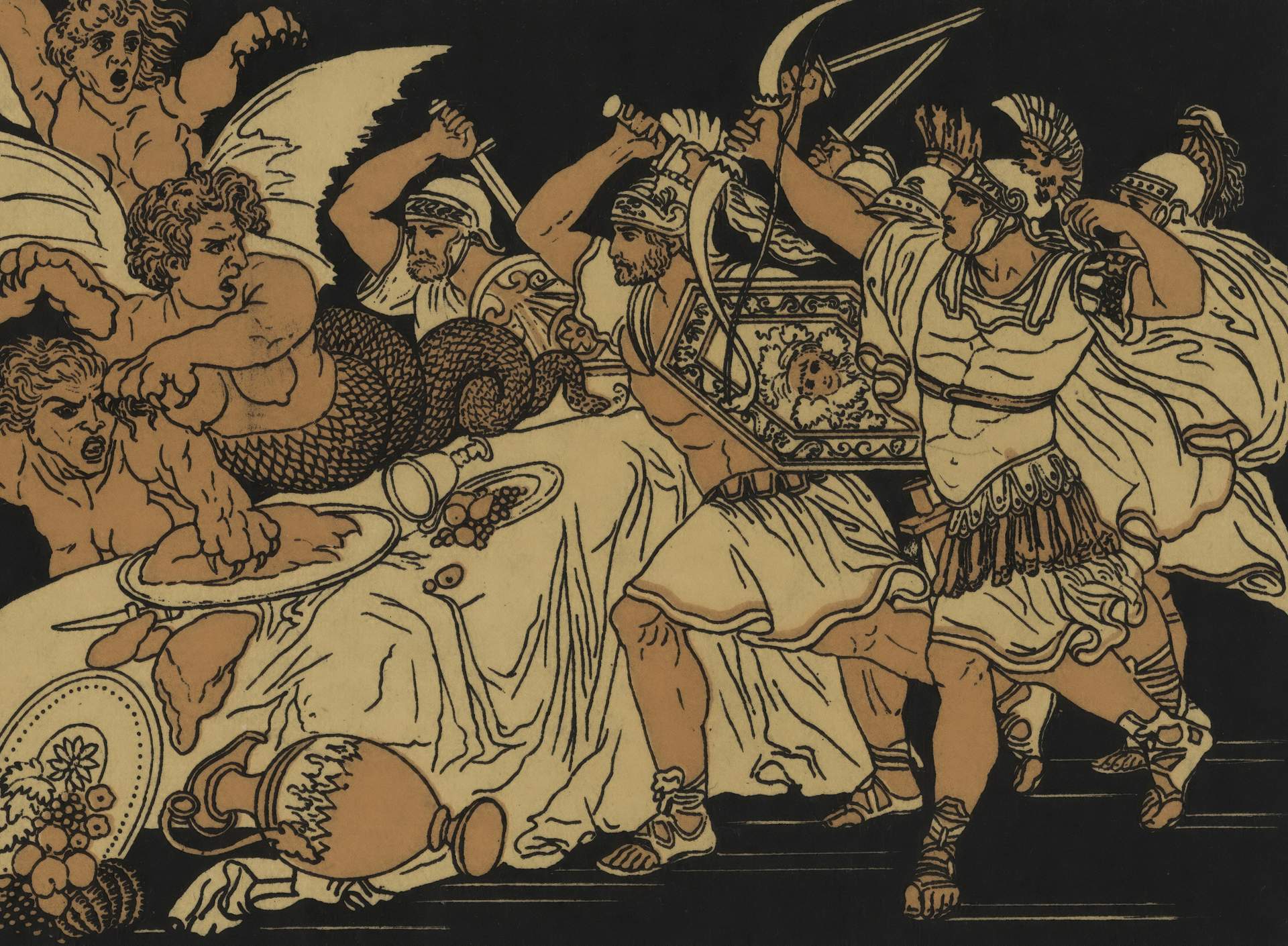
Why do we still care about a story of a man trying to sail home from a war fought thousands of years ago? Maybe because the Odyssey was never really about the sea, the monsters, or the myths at all. It's about something we all recognize: the search for our way back.
The search for who we are after a hard stretch of life. How our experiences change us. And what "home" actually means.
Christopher Nolan's 2026 Odyssey captures exactly that. It doesn't simply retell an ancient legend — it delivers a tense, deeply emotional story about a man fighting to find his way home after everything he's lost.
Nolan's ancient world is stunning — and unsettling
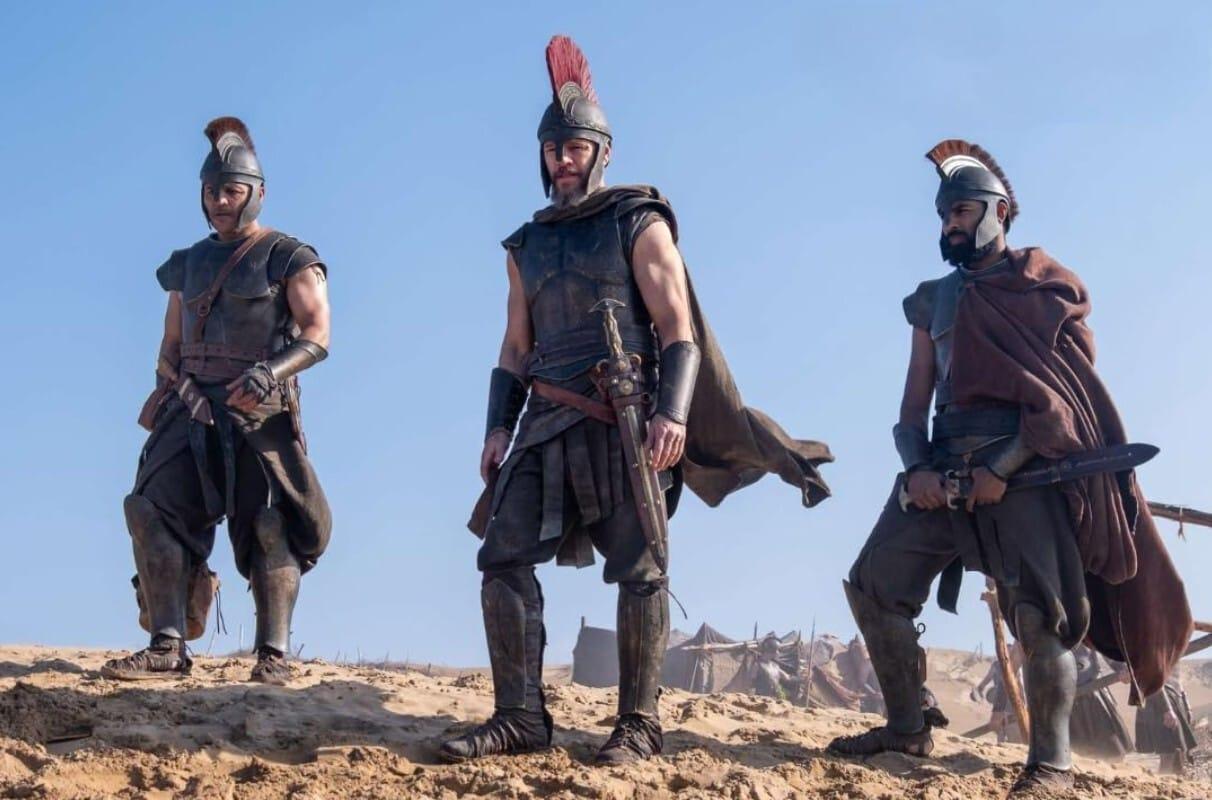
The film's greatest strength is, without question, its visual world. Nolan has built an ancient reality that is monumental and astonishingly detailed at the same time.
The Trojan War sequences, the vast landscapes, the cave of the Cyclops, and Circe's realm all leave you with images you won't shake off easily. The film is beautiful in places and genuinely oppressive in others, but it grips you almost from start to finish.
Once again, Nolan proves that a spectacle-driven film can still carry real emotional weight.
Matt Damon feels like the real Odysseus
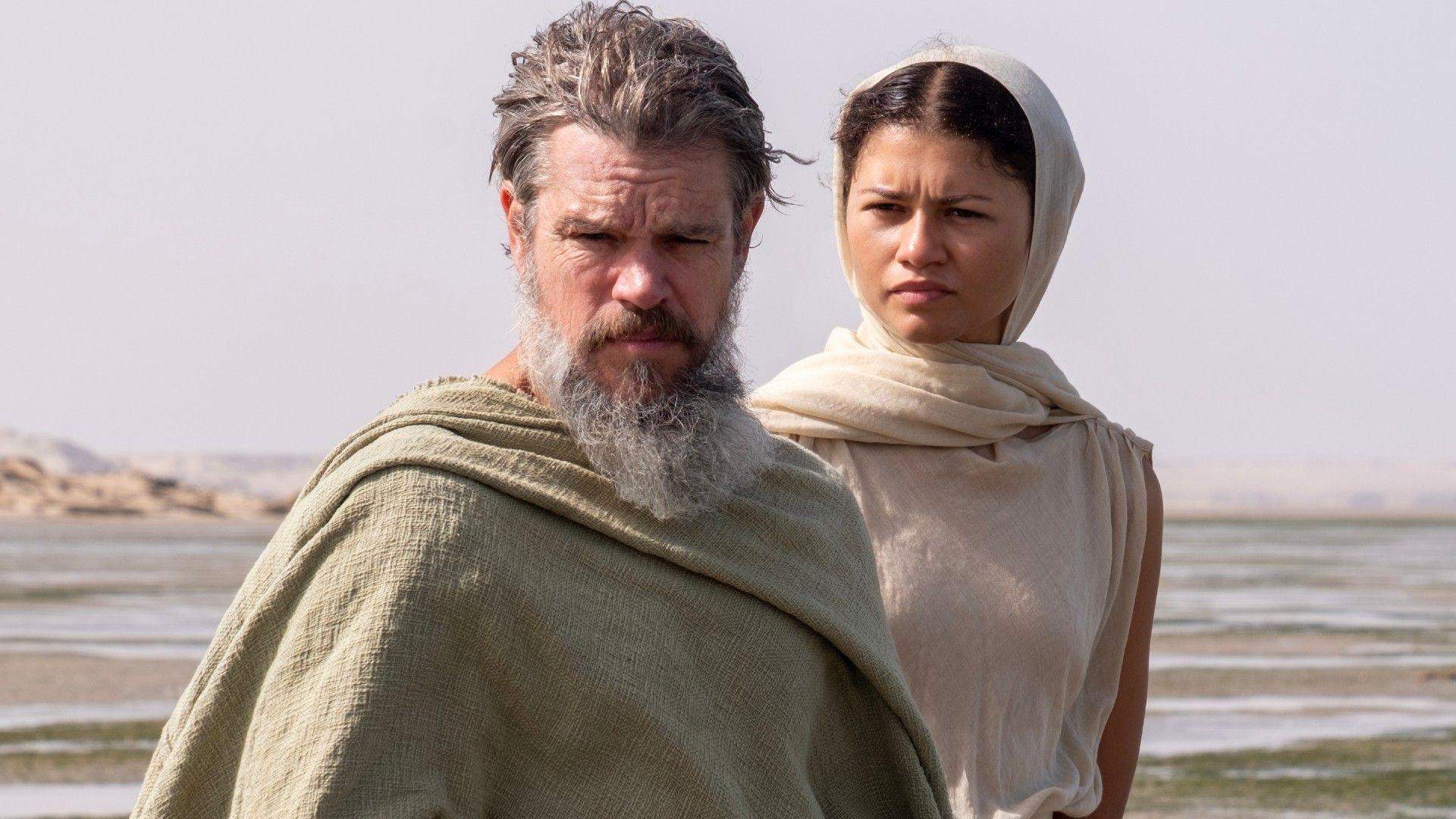
The best thing about Matt Damon's performance is that we're clearly watching a fallible human being. His Odysseus is a brave leader, yes, but also exhausted, uncertain, and often crushed by the weight of his own choices.
That's what makes the character believable. We're not looking at a distant hero — we're watching someone whose inner struggle is just as much a part of the journey as the sea itself.
Even after a few scenes, I completely understood why Damon called this shoot the hardest work of his career. A production on this scale must have been a serious physical and emotional test for the entire crew.
Anne Hathaway's Penelope is one of the film's strongest characters
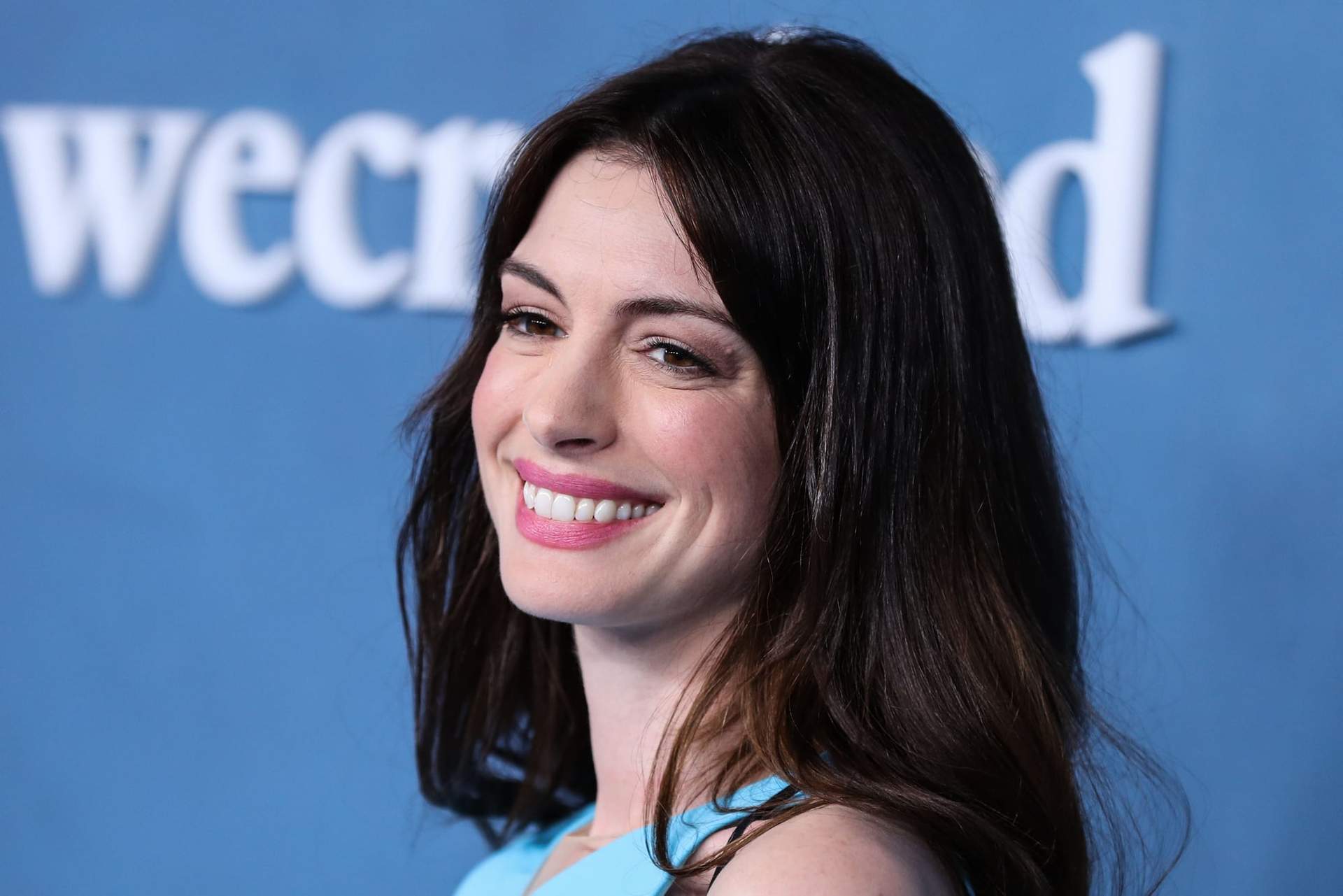
Anne Hathaway's performance stands out just as much. Penelope's story is about a different kind of courage than her husband's.
While Odysseus battles his way across the sea and through danger, Penelope has to hold everything together at home in a world that keeps threatening to fall apart. Hathaway doesn't play a woman simply waiting for her husband — she plays an intelligent, strong woman fighting with quiet, stubborn resolve.
Maybe that's exactly why Penelope's story still resonates today. The Odyssey isn't only about the heroes on the road, but also about the people who stay behind and guard the home, the hope, and their own sense of self.
The supporting cast adds to the myth's power
There are several memorable turns among the supporting cast too. Tom Holland captures the uncertainty of Telemachus, a son searching for his father, while James Remar is especially convincing as the blind seer Tiresias.
Zendaya brings a striking presence as Athena, and Robert Pattinson, as Antinous, credibly exposes the darker side of the story's power games.
Before release, the casting of Lupita Nyong'o and Elliot Page stirred up plenty of debate — but in the film itself, those questions felt far less important. I never once felt that either of them undermined the bigger picture. I could have imagined other actors in these roles, sure, but in the end the sheer power of the story mattered far more.
A score that pulls the story even deeper
The film's music is equally powerful. The score doesn't just accompany the scenes — it heightens the tension and amplifies the emotion.
In a story on this scale, music plays a crucial role, and here it genuinely adds to the experience.
A dark, harrowing, sometimes brutal world
Nolan isn't afraid to show the Odyssey's darker side. This film makes room not just for heroism and adventure, but for loss, fear, and the raw struggle to survive.
The cave of the Cyclops, the Circe sequences, and a handful of the more intense scenes can be genuinely disturbing — they got to me too — but they fit the mood of the original myth. The Odyssey has always been a story about danger, loss, and survival.
Why does the Odyssey still work today?
Maybe because we all know what it's like to search for our way.
You don't need to be a hero or survive extraordinary adventures to understand Odysseus. All it takes is a big change in your life, a fresh start, or a stretch of time when you have to rediscover who you are.
That's why Nolan's film is more than a piece of mythological cinema. Through an ancient story, it speaks about things that still matter today: love, perseverance, and what it truly feels like to finally come home.
A worthy reimagining of a classic
Christopher Nolan's Odyssey turned out to be a spectacular, emotional, and singular film. The breathtaking visuals, the powerful score, Matt Damon's performance, and Anne Hathaway's unforgettable Penelope come together in an adaptation that treats Homer's classic with genuine respect.
Some of its choices may divide audiences, but Nolan's greatest achievement is this: he retold an ancient story in a way that still feels close, human, and deeply relatable today.
When is Christopher Nolan's Odyssey out?
The film was released in 2026. It's Nolan's take on Homer's ancient epic, following Odysseus on his long and dangerous journey home.
Who stars in Nolan's Odyssey?
Matt Damon plays Odysseus and Anne Hathaway plays Penelope. The supporting cast includes Tom Holland as Telemachus, James Remar as Tiresias, Zendaya as Athena, and Robert Pattinson as Antinous.
Is the Odyssey suitable for sensitive viewers?
The film leans into the myth's darker themes — loss, fear, and survival. Scenes like the cave of the Cyclops and the Circe sequences can be genuinely disturbing, so more sensitive viewers should keep that in mind.
Why does the Odyssey still resonate today?
Because at heart it's about searching for your way back to yourself. You don't have to be a hero to relate — a major life change or a fresh start is enough to feel the pull of Odysseus's story.