The war at Troy lasted ten years. Then it took another ten for one of the victorious Greek heroes to finally make it home. Homer's epic is the story of that journey — of a man who would rather suffer than surrender, and of a wife who spends years weaving and unraveling the same cloth just to buy herself time.
It's one of the oldest stories we still tell. And somehow, it never stops feeling relevant.
What is the Odyssey really about?
At the heart of the story is Odysseus, king of Ithaca, who doesn't get to sail straight home after the Trojan War. Between the anger of the gods, brutal sea storms and his own restless curiosity, he ends up wandering the Mediterranean for years.
Back home, his wife Penelope is fending off a crowd of suitors demanding her hand in marriage, while their son Telemachus slowly grows into manhood as he searches for word of his father. Two threads — the father's adventures far away and the family's struggle at home — finally collide in a single bloody, cathartic scene, when Odysseus returns to his own palace in disguise.
Who are the key characters?
Odysseus is the embodiment of cunning. He isn't the strongest warrior in the room — he's the one who always finds a way out, whether it's the trick of the wooden horse or a daring escape from a cave. Penelope is a symbol of loyalty and patience, keeping hope alive for twenty years that her husband will come back. Telemachus, uncertain at the start, learns along his own journey what it means to stand tall as a grown man.
The goddess Athena stays by Odysseus's side almost the entire time, guiding and protecting him, while Poseidon, god of the sea, does the opposite — throwing obstacle after obstacle in his path as revenge for blinding his son, the Cyclops Polyphemus.
Along the way we also meet Circe, the sorceress who turns Odysseus's men into swine; Calypso, the nymph who keeps the hero captive on her island for seven years; and Nausicaa, the Phaeacian princess who rescues him after a shipwreck and brings him to the court of her father, Alcinous. And back home wait the suitors — those brazen young men feasting in Odysseus's house and competing for Penelope's hand, with no idea how their story will end.
The most famous adventures, in brief
The book's most iconic scene probably plays out on the island of the Cyclopes, where Odysseus and his men are trapped in Polyphemus's cave and escape only through a clever ruse — by blinding the giant. Not long after, they encounter the Sirens, whose song lures sailors to their deaths. Odysseus still chooses to hear it, but only after having himself lashed to the mast and stuffing his men's ears with wax.
Then there's the strait of Scylla and Charybdis, a deadly passage between two monsters, and Circe's island, where they linger for a full year before setting off again. Perhaps the most haunting moment of all is the descent into the underworld, where Odysseus speaks with dead comrades and the prophet Tiresias about what it will take to finally get home.
Odysseus isn't a hero because he feels no fear. He's a hero because he keeps going anyway.
How does the story end?
When Odysseus finally reaches Ithaca, he doesn't come charging triumphantly into his palace. Athena disguises him as a beggar so he can size up the situation unnoticed and see just how far the suitors' arrogance has spread.
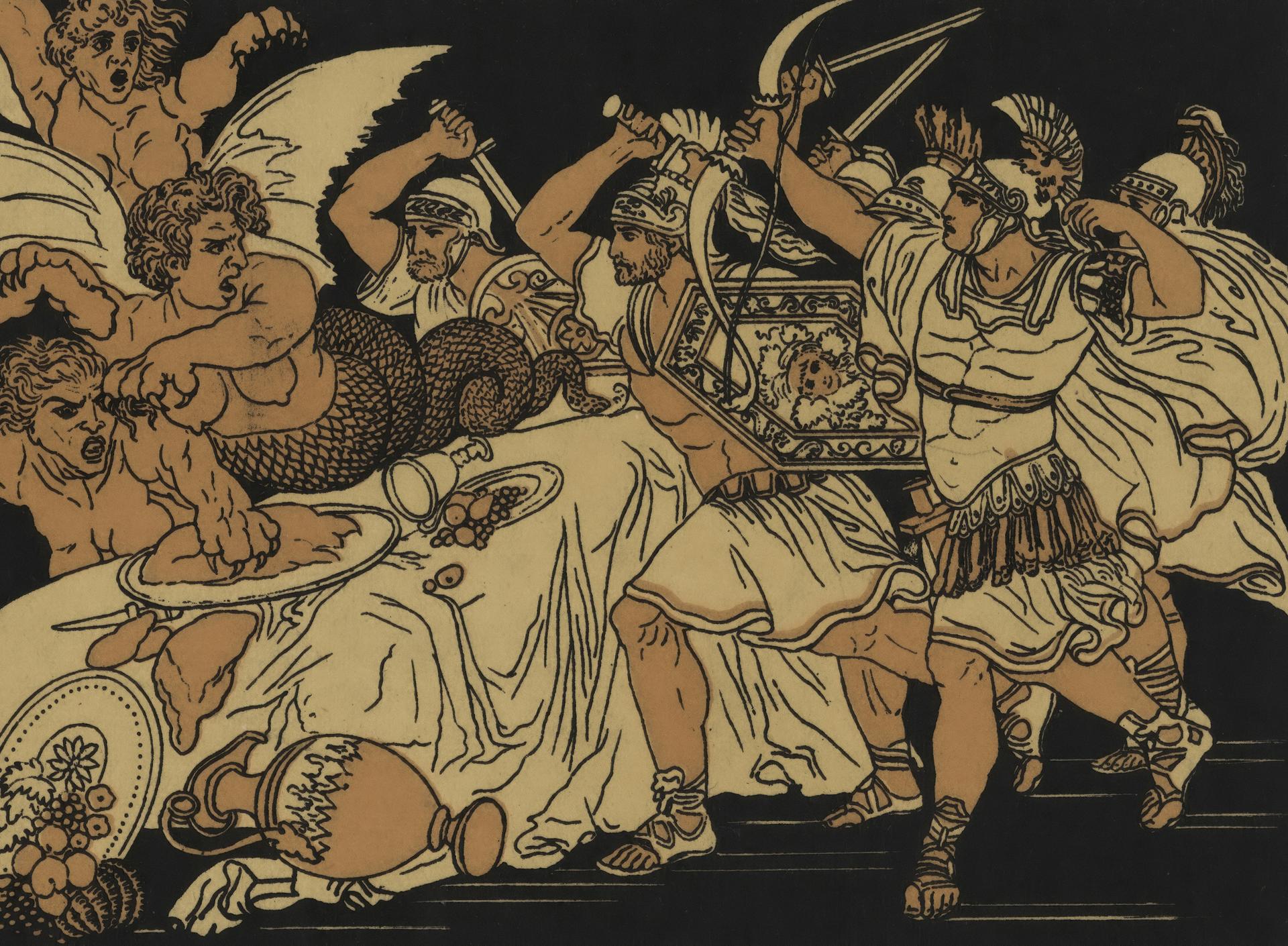
Meanwhile, Penelope announces an archery contest: whoever can string Odysseus's old bow and shoot an arrow through twelve axe heads will win her hand. Naturally, only Odysseus himself can do it — and in that moment, still dressed in rags in his own home, he takes his revenge on everyone who spent years abusing the family's hospitality.
But the ending isn't a simple happy one. Even after the bloodshed, Odysseus needs Athena to step in and broker peace with the grieving relatives of the slain suitors.
Why do we still read it today?
The Odyssey isn't just an adventure story. It's one of the oldest and most complete portraits we have of human endurance and the longing to find our way home. Odysseus is never perfect — he lies, he cheats, and his pride sometimes lands him in trouble. Yet that's exactly what makes him feel real.
Penelope's loyalty isn't passive waiting; it's an active survival strategy in a world that gave women very few tools. And Telemachus's coming-of-age story reminds us that even in the shadow of an absent father, we can still find our own voice. No wonder this story keeps inspiring books and films — the metaphor of the road home never really goes out of date.
Why is the Odyssey suddenly a huge hit again?
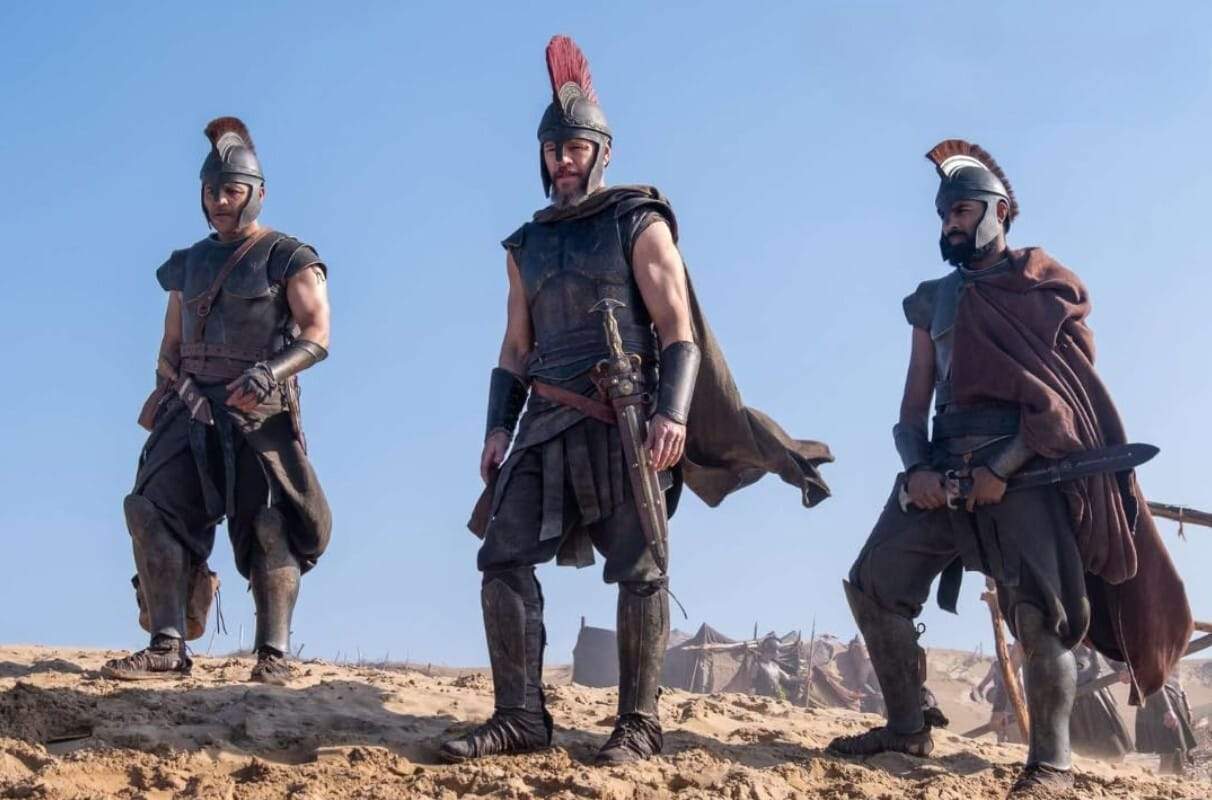
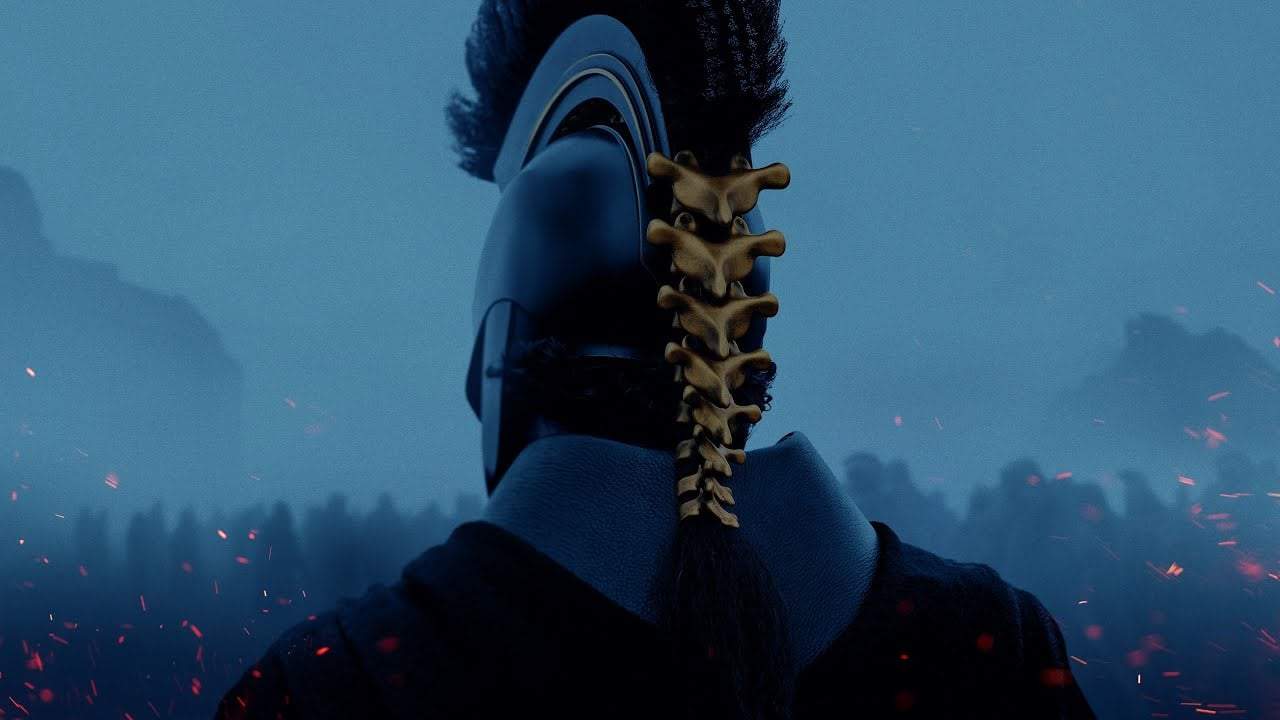
Homer's epic is nearly three thousand years old, yet in the summer of 2026 millions of people are talking about it once more. The reason is Christopher Nolan's sweeping film Odyssey, which has dominated theaters for two weeks and shattered records — it's the director's strongest opening ever, drawing crowds worldwide, many of them flocking to premium IMAX screenings.
But the success isn't only about Nolan's name. The Odyssey's story remains surprisingly current: it's about a man trying to find his way home after long ordeals, constantly wrestling with the consequences of his own choices. Perseverance, the search for identity, the sacrifices we make for family and the ache for home — these are themes that haven't lost an ounce of their power in thousands of years. Nolan's spectacular yet deeply human retelling proves that an ancient epic can still become a genuine cinematic event.
Is the Odyssey by Homer a true story?
It's a mythological epic rather than a historical record. It blends the aftermath of the Trojan War with gods, monsters and fantastical adventures, following Odysseus's long journey back to Ithaca.
How long did Odysseus take to get home?
Ten years. The Trojan War itself lasted a decade, and it took Odysseus another ten years of wandering the Mediterranean before he finally reached Ithaca.
Why is the Odyssey still relevant today?
Its core themes — endurance, identity, sacrifice for family and the longing for home — feel just as human now as they did nearly three thousand years ago, which is part of why it keeps inspiring new books and films.
Do you need to read the Odyssey before seeing Nolan's film?
Not necessarily. Knowing the key characters and famous adventures can enrich the experience, but Nolan's version is designed to work as its own spectacular, human-centered story.