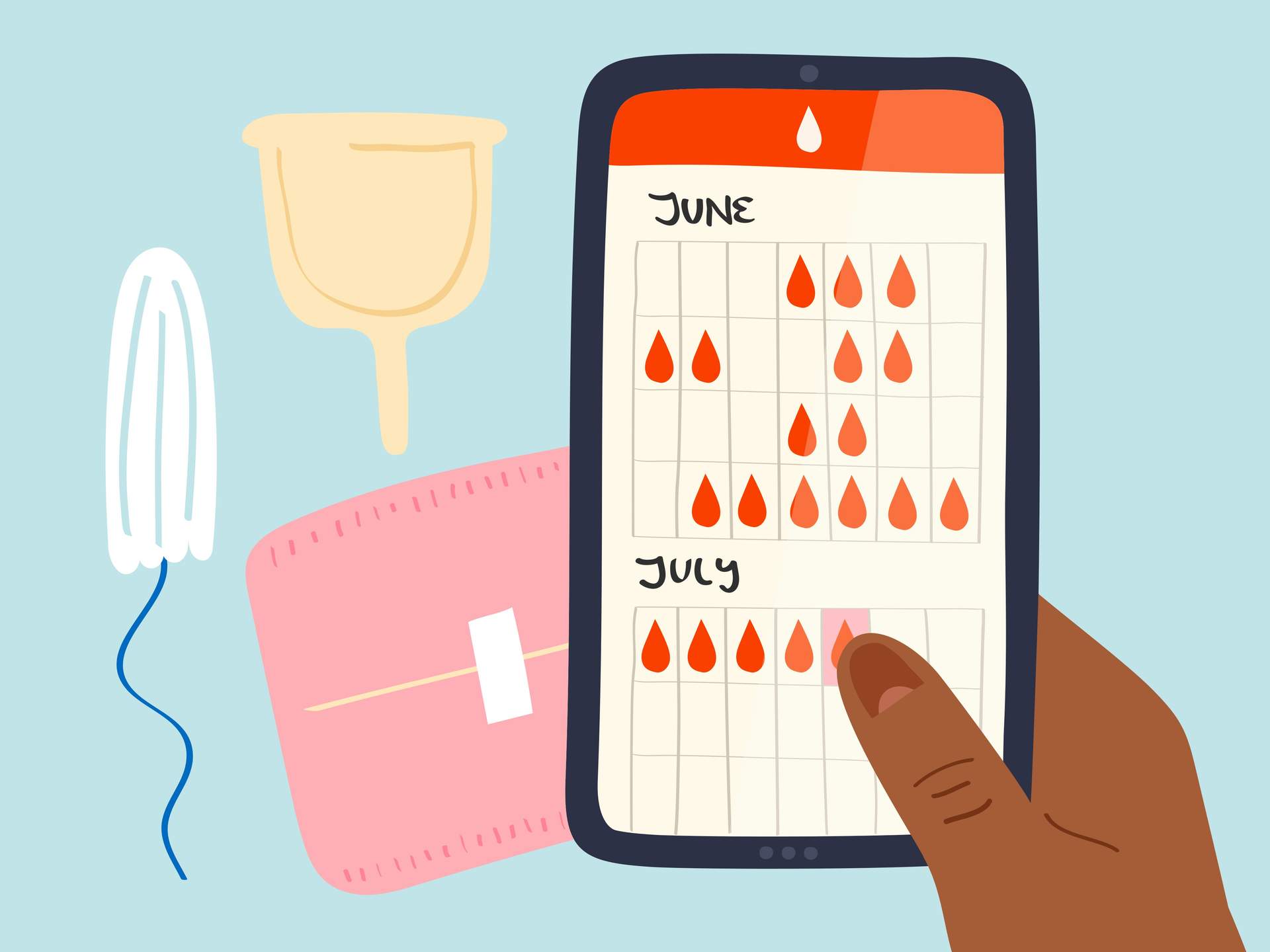
Let’s explore which signs deserve your attention and why recognizing them early makes all the difference!
Fatigue and Low Energy
Many chalk up pre-menstrual tiredness to routine, but if it lingers, it’s worth checking your hormones. Low thyroid hormone levels or an excess of stress hormones like cortisol might be behind it. A simple lab test can shed light on what’s going on.

Mood Swings
While heightened emotional sensitivity can be part of PMS, constant mood rollercoasters may point to an imbalance between estrogen and progesterone.
Research shows serotonin deficiency can worsen mood, so paying attention to your diet and stress management really helps.

Headaches and Migraines
Hormonal shifts around your period often trigger headaches. If they happen during other cycle phases, fluctuating estrogen levels might be the cause. A detailed hormone test can help pinpoint the issue and guide targeted treatment.

Sleep Issues
Poor sleep quality isn’t just a PMS side effect. Low progesterone can disrupt sleep patterns, leading to lasting exhaustion. Improving sleep habits and restoring hormonal balance can make a big difference.

Weight Changes
Weight fluctuations often come before your period, but frequent or significant changes could signal hormonal imbalance. Underactive thyroid or insulin resistance might also be involved.

Skin Issues
Hormonal acne is a classic PMS symptom, but if skin problems persist throughout your cycle, excess androgen hormones might be the culprit. Keep an eye on your skin and seek expert advice for the best care.

Digestive Problems
Hormonal shifts can affect digestion, but persistent bloating or constipation might signal hormonal dysfunction. Estrogen dominance is linked to slower digestion, which can often be improved with dietary changes.

Decreased Libido
While changes in sexual desire before your period are normal, persistent low libido could indicate low testosterone. If this lasts, consider a hormone test.

Hair Loss
Hormonal ups and downs often cause hair issues. Hair loss can be a sign of underactive thyroid or high androgen levels, which may require medical care.

Voice Changes
Unexplained, lasting changes in voice tone can also be caused by hormonal fluctuations. Estrogen swings can trigger various physical changes. If you notice persistent voice changes or other symptoms, don’t hesitate to consult a professional.

Remember, every body is unique, and symptoms can have many causes. If you experience persistent or worsening signs, it’s always wise to see a doctor for thorough evaluation and to find the right solutions.