What if your calendar, your workouts, and even your meals could work with your body instead of against it? That's the core promise of cycle syncing — a lifestyle approach that's quietly gone from niche wellness trend to something millions of women are genuinely curious about. But does it actually hold up?
What is cycle syncing?
Cycle syncing means aligning your daily habits — how you eat, exercise, work, and rest — with the four phases of your menstrual cycle. The idea is simple: your hormones shift dramatically throughout the month, so why fight those changes when you could lean into them?
The four phases of the cycle — menstruation, follicular, ovulation, and luteal — each come with their own hormonal landscape, and potentially their own strengths.
During menstruation, the body calls for rest and recovery. The follicular phase that follows — as hormone levels begin to rise — is considered ideal for planning, starting new projects, and taking on creative challenges. Ovulation tends to bring a natural energy peak, making it a great time for social commitments or high-stakes conversations. Then, during the luteal phase, the body gradually shifts back toward stillness, making it a good window for reflection and wrapping up existing work.
What does the research actually say?
The foundation of cycle syncing rests on a well-established fact: hormones like estrogen and progesterone don't just regulate reproduction — they influence mood, cognition, and physical performance too.
A study published in the Journal of Women's Health found that hormonal fluctuations across the cycle can meaningfully affect perception and cognitive function. Meanwhile, research in Psychological Science suggested that rising estrogen levels around ovulation are linked to stronger communication skills and greater empathy — which could explain why so many women intuitively feel sharper and more social at that time of the month.
That said, cycle syncing as a complete lifestyle framework is still relatively new territory for researchers. The individual studies are promising, but the broader approach hasn't yet been tested in large-scale clinical trials. Think of it less as a prescription and more as a framework worth exploring.
How to apply it in everyday life
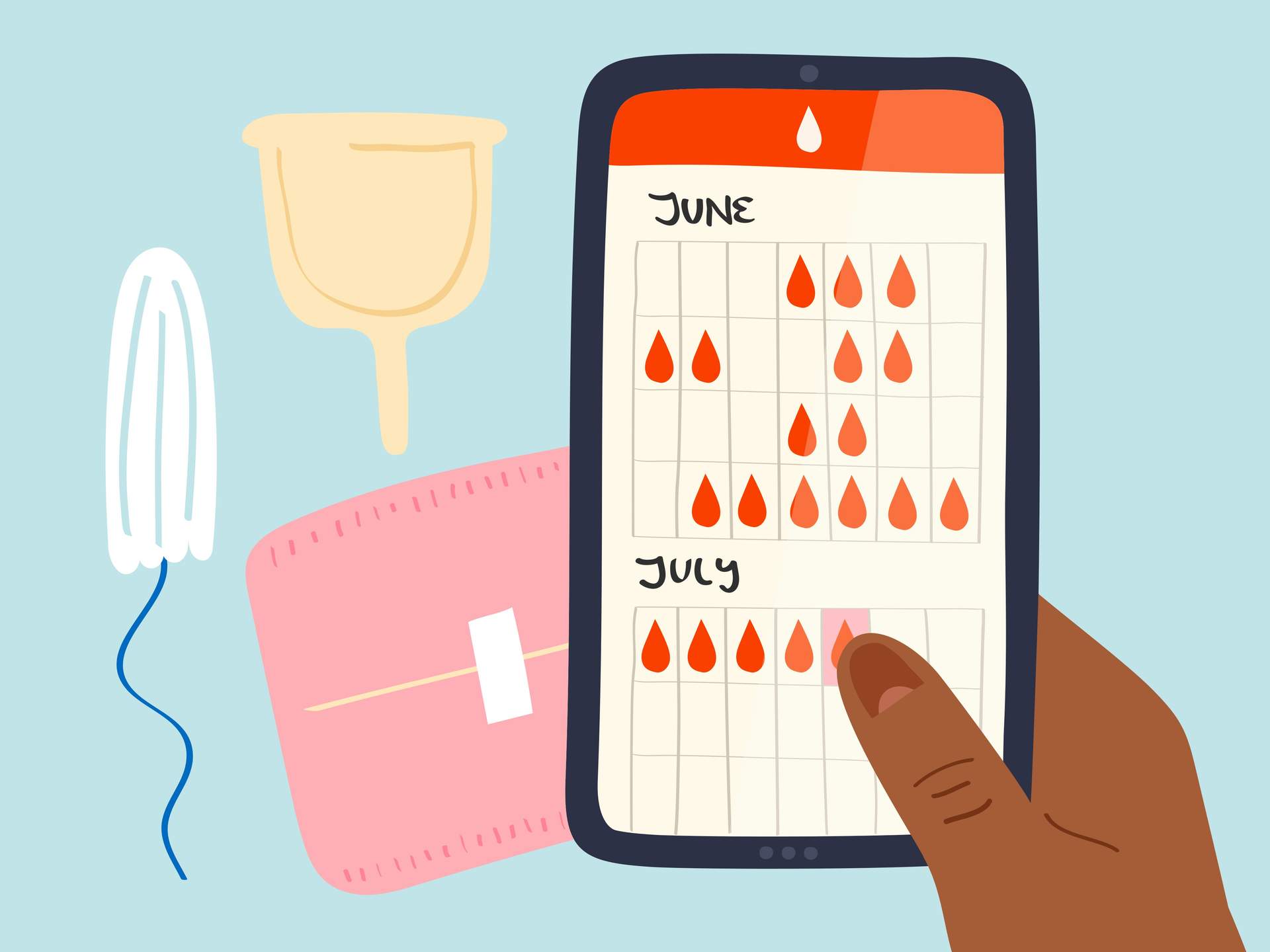
The first practical step is simply tracking your cycle. Knowing where you are in your month gives you the awareness to start noticing patterns in your energy, mood, and motivation.
There are now dozens of cycle tracking apps that not only log your phases but offer tailored tips for nutrition, movement, and productivity at each stage.
On the nutrition side, cycle-aware eating can be surprisingly straightforward. Around ovulation, prioritizing high-protein foods and complex carbohydrates can support your body's energy demands. During the luteal phase, B-vitamin-rich foods — think oats, brown rice, and leafy greens — may help ease hormonal shifts and reduce PMS symptoms.
Syncing your workouts with your cycle
This is where many women notice the most tangible difference. Rather than pushing through the same intense routine every day, cycle-aware training means meeting your body where it is.
- Menstruation: Low-intensity movement like yoga or pilates supports recovery without depleting your energy.
- Follicular phase: As energy climbs, this is a great time to ramp up cardio or try something new.
- Ovulation: Your peak strength and endurance window — ideal for challenging workouts or personal bests.
- Luteal phase: Ease back with stretching and gentle movement to manage stress and support recovery.
The science of cycle syncing is still evolving, but the core insight — that your body has a natural rhythm worth paying attention to — is hard to argue with. Even small adjustments, like scheduling demanding tasks during your follicular phase or allowing yourself real rest during menstruation, can make a meaningful difference over time.
Start by listening. Your cycle has been trying to tell you something all along.