Dish soap is a kitchen hero: its powerful grease-fighting ability easily tackles stubborn food messes—from cheesy casseroles to spicy chili and creamy desserts. That’s why many people reach for it around the house whenever dirt or stains show up. But is it really safe for every surface and material?
Experts from Southern Living highlight that dish soap can sometimes do more harm than good, damaging certain materials and surfaces. To keep every corner of your home looking great for the long haul, it’s smart to know when and where dish soap isn’t the right choice. Here are the key spots to avoid using this handy but not-so-versatile cleaner.
Cars
Taylor Riley, expert at Boom Facility Service Advisors, warns: “Dish soap is not suitable for car paint. While it’s a great grease remover, it’s too harsh on the finish, stripping away protective wax that can lead to fading and scratches. Always use products made specifically for car paint to keep your car’s shine intact.”
Leather
Marla Mock, head of Molly Maid, says: “Dish soap removes leather’s natural oils, causing dryness and cracking. For leather care, always choose gentle, leather-friendly products like saddle soap.”
Remember: nurturing leather naturally is key to keeping it soft and flexible.
Pets’ Fur and Skin
Dionne Livingstone, cleaning expert at Home Spritz, advises never to bathe or clean your pets with dish soap as it can irritate their skin. Instead, use shampoos made specifically for animals.
Always keep in mind: pets’ skin is sensitive and needs special care.
Your Hair and Skin
Livingstone cautions: “Dish soap isn’t a substitute for shampoo or body wash. It’s not designed for human skin and hair and can cause irritation and dryness.” Always opt for gentle products made for your skin and hair.
Matte Wall Paint
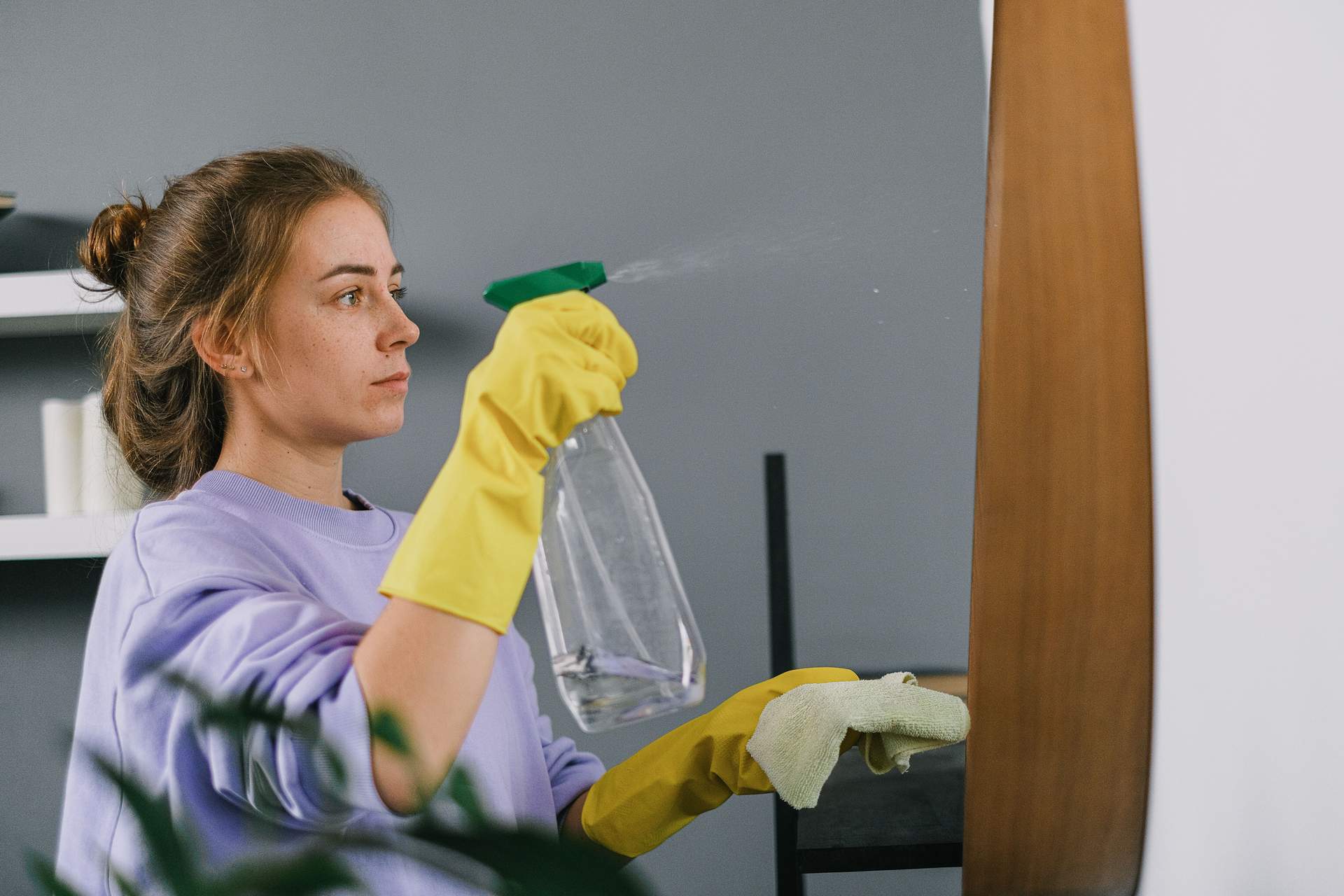
James King, head of DeluxeMaid, explains that matte paint doesn’t respond well to dish soap—it can leave streaks or damage the paint. “It’s best to clean with a damp microfiber cloth and distilled water. If needed, a little vinegar or a magic eraser can help.” This keeps your walls looking fresh and elegant.
Clothes
Livingstone advises: “Don’t wash clothes with dish soap! It doesn’t rinse out properly, can irritate skin, and may damage your washing machine. Always use detergent made for laundry.”
Dishwasher
King warns: “Never replace dishwasher tablets with dish soap! It creates too many suds, which can overflow and harm your machine.” Use only cleaners designed specifically for dishwashers.
Silk
Mock recommends: “For silk, use a special detergent or a mild baby shampoo mixed with vinegar.” This helps preserve silk’s softness and shine.
Hardwood Floors and Furniture
Riley emphasizes: “Cleaning hardwood furniture or floors with dish soap is a mistake. It strips the protective layer, leading to fading and damage. Use a pH-neutral cleaner made for wood surfaces.” This protects the beauty and durability of your wood.
Coffee Maker
King’s tip: “You can clean the outside of your coffee maker with dish soap, but for the inside, use a mix of distilled water and vinegar, then rinse thoroughly. Brewing a strong coffee afterward helps remove any vinegar taste.” This method is safe and effective.
All in all, while dish soap is a fantastic grease-fighter, it’s not suited for every surface. Choosing the right cleaners helps protect your home and valuables, while keeping you and your loved ones healthy.