Ten years ago, on a tiring late November day, we chose an artificial Christmas tree over a real one—and I’ve been thankful for that moment every year since.
Practicality Mattered More Than We Thought
That year, real Christmas tree prices had already noticeably jumped, and with our little girl, we wanted a bigger, more impressive tree for several years to come. When we calculated that a higher-quality artificial tree would pay for itself in just a few seasons, the decision became surprisingly easy. But it wasn’t just about the money: we were tired of the yearly hassle of picking, carrying, trimming, plus the double cleaning and the uncertainty of how long a real tree would stay fresh and beautiful in the living room. (Not to mention the less-than-smooth January disposal.)
Size Is Key
If you take only one piece of advice for buying an artificial tree, it’s this: measure first! Measure the spot where the tree will go, the height of your room, and how much space will be left around it. We were sure a 180 cm (about 6 ft) tree would be enough, but once we measured, we realized—considering ceiling height and the topper—we could comfortably go bigger.
Besides height, width is just as important. A tree that’s too narrow can get lost in the room, while one that’s too wide can make the space feel cramped.
Tip: Think about what size and shape of real tree looked best in your home before, and use that as your guide.

Quality Pays Off in the Long Run
We chose a realistic, premium model at the time that still looks like new after 10 years. If you’re planning for the long haul, look for a tree that can handle yearly folding, assembly, and disassembly without losing needles or warping branches. That’s probably what you want—a more eco-friendly and practical choice.
The secret to more lifelike trees lies in the materials used for the needles. Flatter, classic styles are more affordable, while those with mixed materials and shaped branches look much more realistic. For the most authentic look, find a tree with striking outer branches made from modern, 3D-effect materials (though even these usually have simpler inner parts).
With Lights or Without? Both Have Their Charm
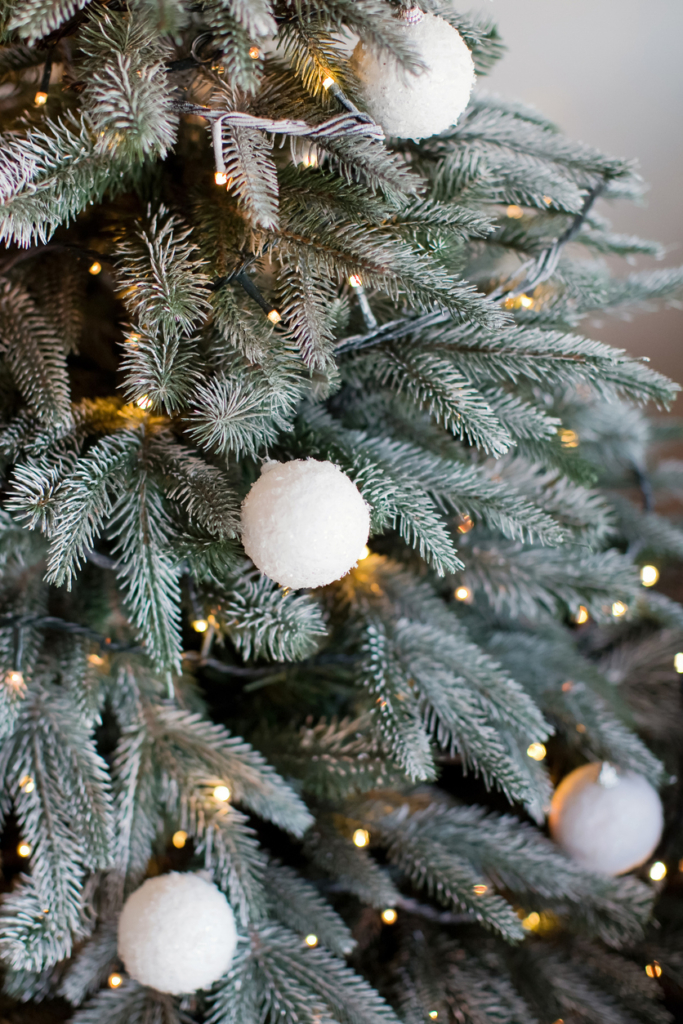
When we bought ours, built-in lights weren’t as common, but today stores offer a whole new experience. Built-in LED strings are super convenient: set up the tree, press a button, and your cozy holiday vibe is ready. If you go this route, look for adjustable light settings and LEDs hidden among the branches!
But there are perks to a basic artificial tree too: you can change up your lights every year, letting you switch colors, moods, and styles to keep things fresh.
An Artificial Tree Works Best When Logistics Are Easy
Assembly is now really simple: many trees have hinged branches that naturally fall into place, needing just a little shaping. Some models even feature "memory wire" branches that require even less adjustment.
Storage deserves special care: a good-quality box or storage bag helps your tree keep its shape for years. But if it’s packed away in tight spaces or rushed, it can get damaged and won’t live up to your expectations.
If I had to start over, I’d still choose an artificial tree without hesitation—not just for convenience. I’ll admit I sometimes miss that classic pine scent (scented sticks don’t quite cut it for me), and there’s always the option to get a real tree temporarily. But so far, practicality and the peace of mind knowing I’ll have more time to relax and enjoy the season together have always won.