High blood pressure (hypertension) is now considered a widespread health issue. Genetics, chronic stress, a sedentary lifestyle, and other health conditions can all play a role. The good news? Simple lifestyle changes can significantly improve your numbers.
According to Prevention, regularly eating certain foods can greatly support lowering blood pressure—especially when following the DASH diet principles.
What Is the DASH Diet and Why Does It Work?
The DASH (Dietary Approaches to Stop Hypertension) diet is one of the most well-known heart-healthy eating plans. It focuses on foods rich in calcium, magnesium, potassium, protein, and fiber.
Cardiologist Dr. Marwah Abdalla explains that the DASH diet isn’t just about cutting salt. It emphasizes regularly enjoying vegetables, fruits, low-fat dairy, and high-fiber foods.
Dietitian Melissa Prest adds that while too much salt can raise blood pressure, a diet rich in fruits and vegetables can actively help lower it.
Dietitian Maya Feller notes that many people see measurable improvements within just three months of making the right dietary changes—alongside any prescribed medications, if needed.
11 Foods That Can Help Lower Blood Pressure
1. Plain, Low-Fat Yogurt
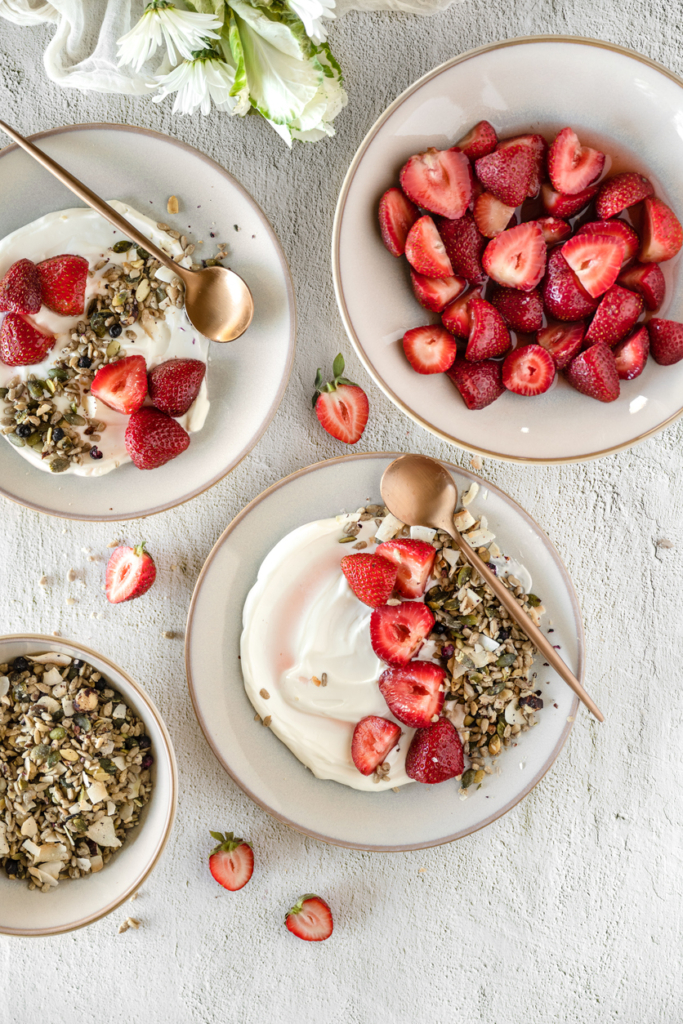
Calcium plays a key role in regulating blood pressure. A large glass (about 12 oz) of plain yogurt can provide nearly 30% of your daily calcium needs. It also offers potassium, protein, and vitamins.
Tip: Greek yogurt topped with berries and a handful of almonds makes a perfect heart-friendly breakfast.
2. Berries (Especially Blueberries)
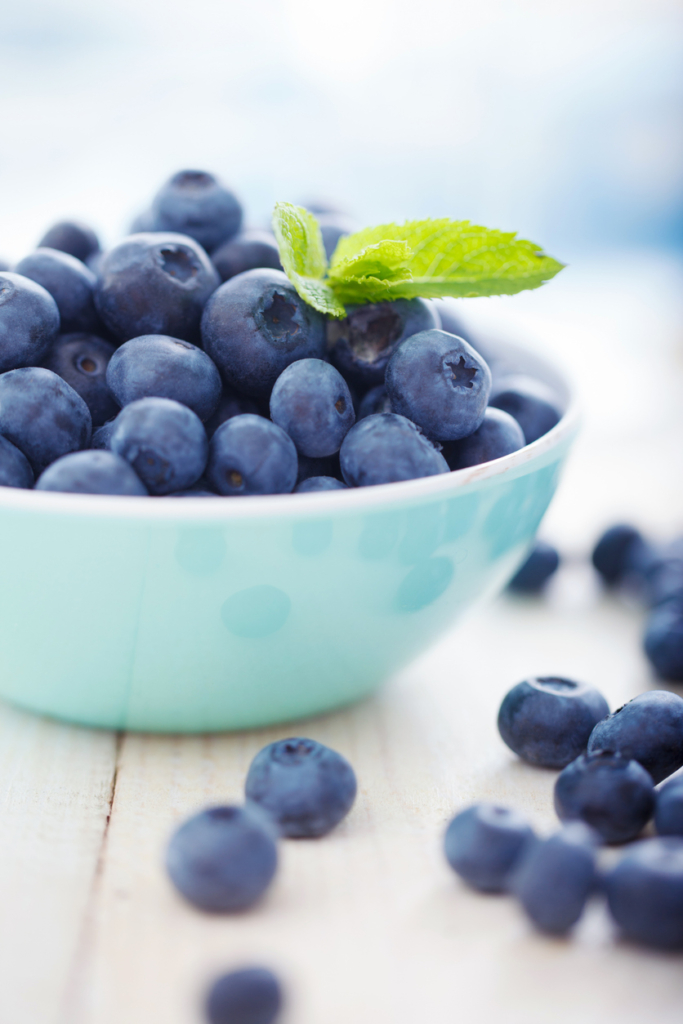
Antioxidants in blueberries (especially anthocyanins) may boost nitric oxide production, helping your blood vessels relax.
Tip: Sprinkle them on oatmeal, blend into smoothies, or add to salads!
3. Leafy Greens
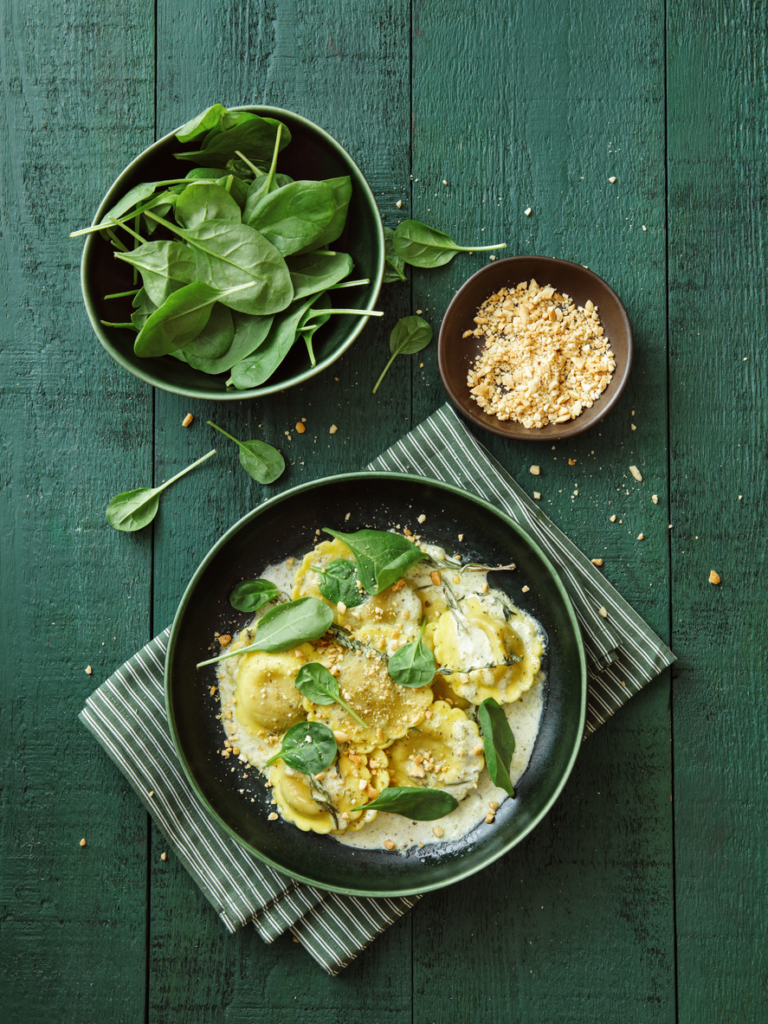
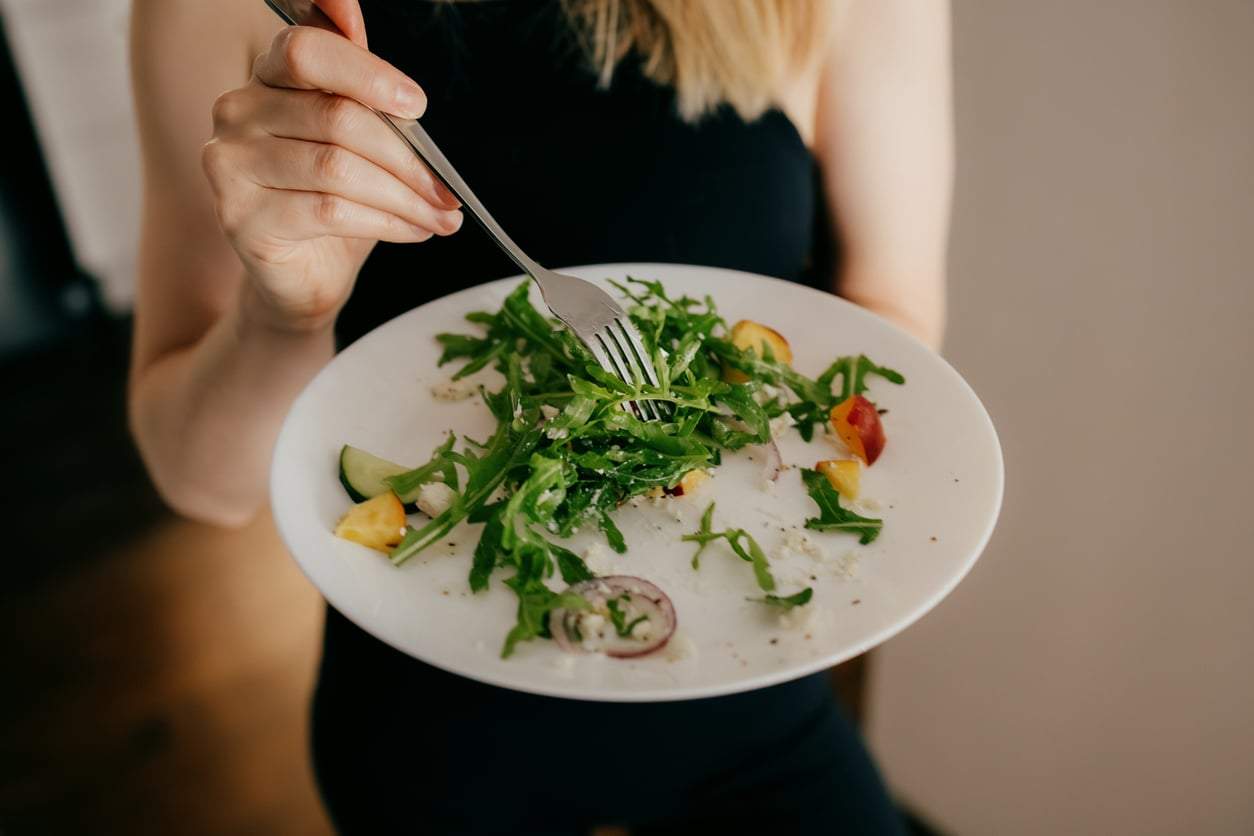
Spinach, kale, arugula, Swiss chard are excellent sources of potassium and magnesium, which work together to help regulate blood pressure.
Tip: Don’t limit them to salads—try adding them to omelets, smoothies, or sandwiches.
4. Garlic
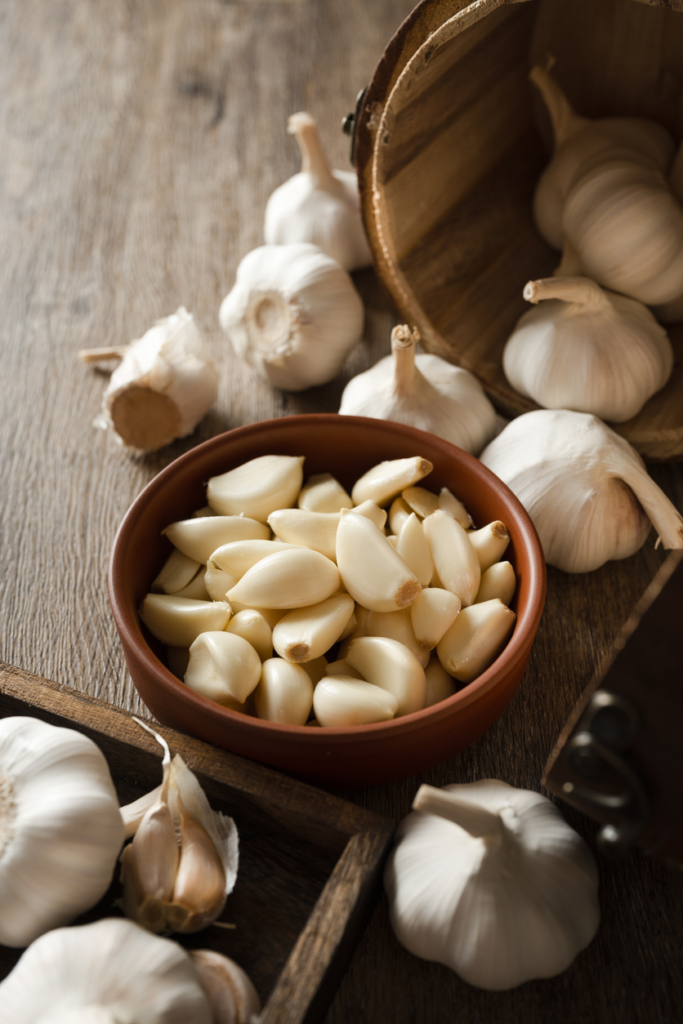
The compound allicin in garlic may have a positive effect on blood pressure. It’s important to know that allicin is released when garlic is crushed or chopped.
Tip: Spread creamy roasted garlic on whole-grain toast for a tasty boost.
5. Sweet Potatoes
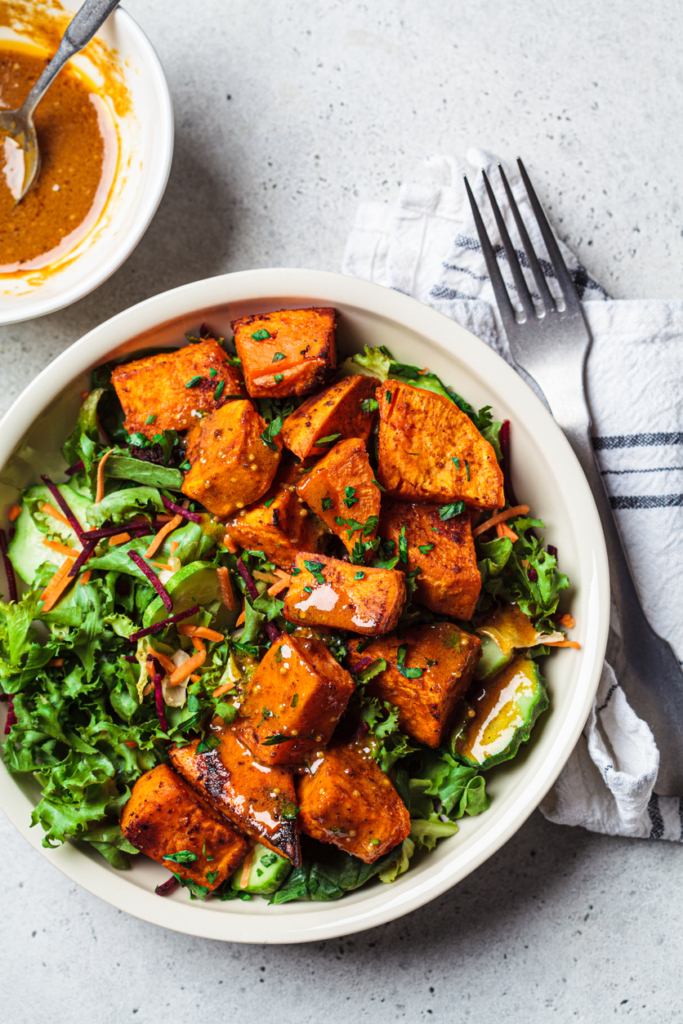
Rich in fiber, potassium, and magnesium, sweet potatoes not only help lower blood pressure but also improve vitamin A intake and blood sugar levels, according to a 2022 study.
Tip: Baked in the oven, they make a perfect part of a veggie-packed dinner any night of the week.
6. Oatmeal
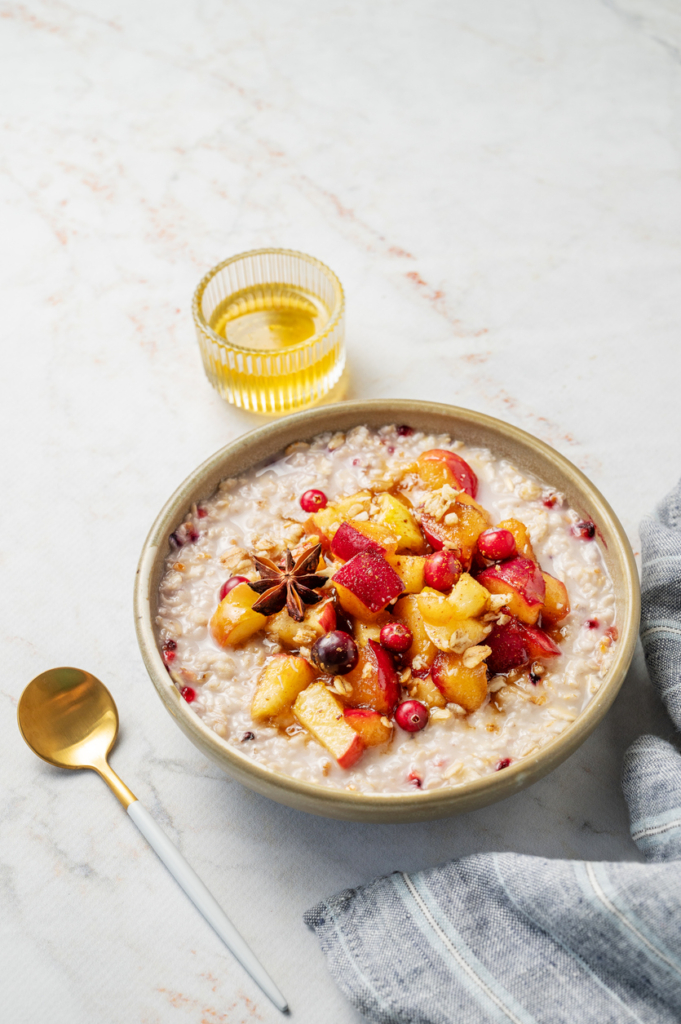
Whole grains—especially oats—can help lower cholesterol and reduce the risk of heart disease.
Tip: Prepare overnight oats for a quick, nourishing breakfast on busy mornings.
7. Salmon and Other Fatty Fish
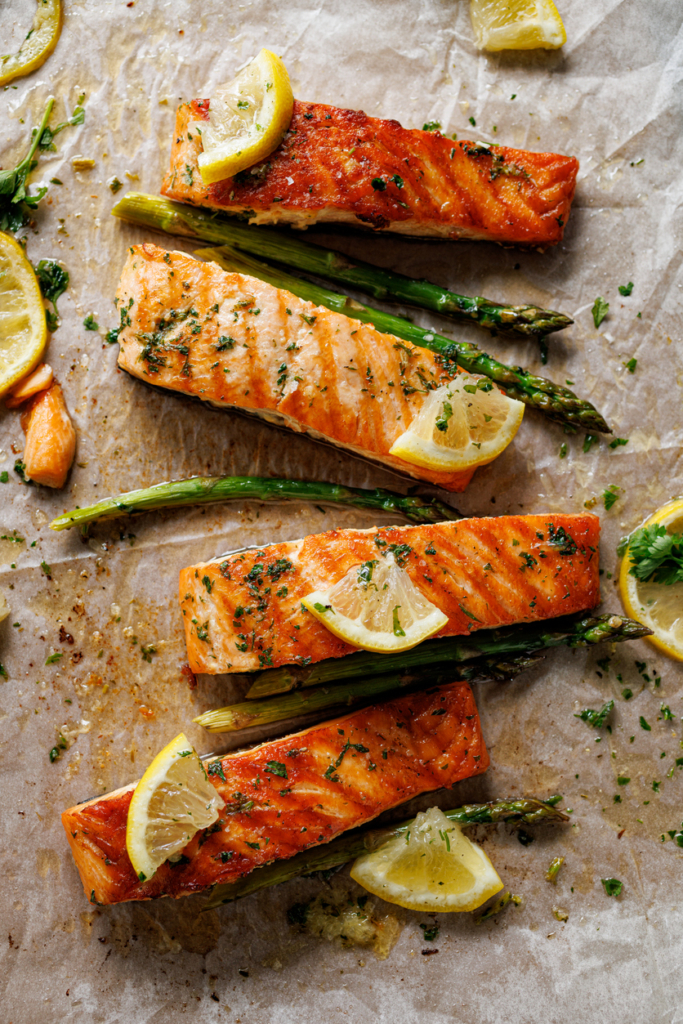
Salmon and other fatty fish are rich in omega-3 fatty acids, which have anti-inflammatory effects and may help lower blood pressure. They’re also great sources of vitamin D.
Tip: Season with lemon and olive oil, then bake for 15–20 minutes for a simple, heart-healthy meal.
8. Avocado
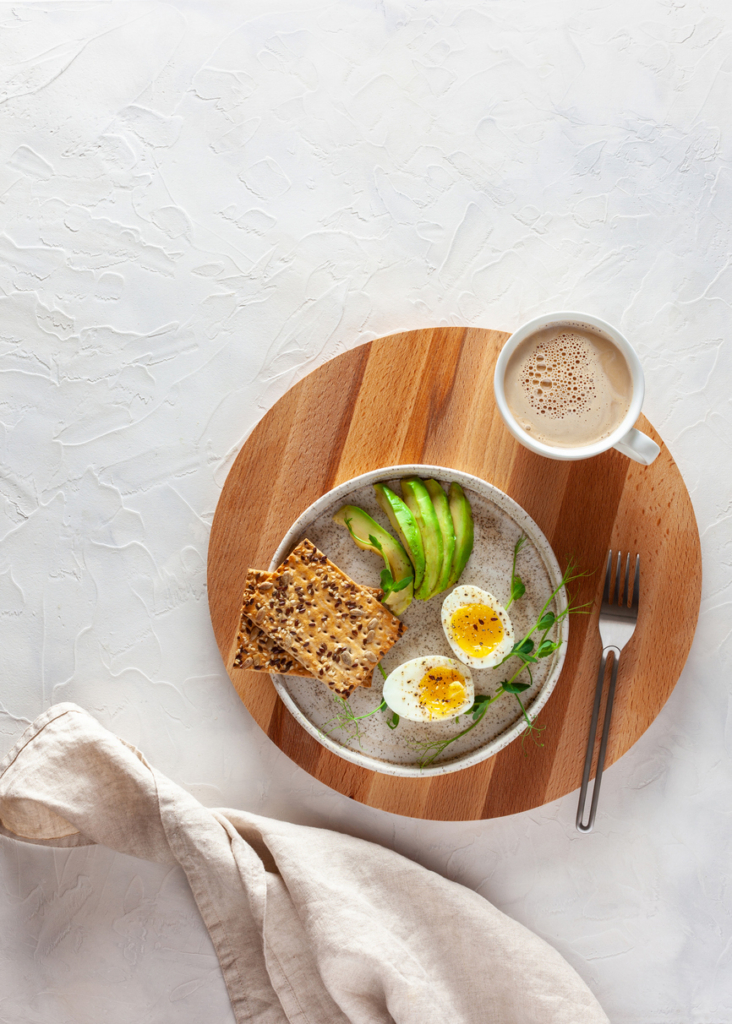
A medium avocado contains nearly 1000 mg of potassium—about a quarter of your daily recommended intake. It also provides magnesium and healthy fats.
Tip: Avocado isn’t just great on toast—try it in salads or as a creamy spread.
9. Quinoa
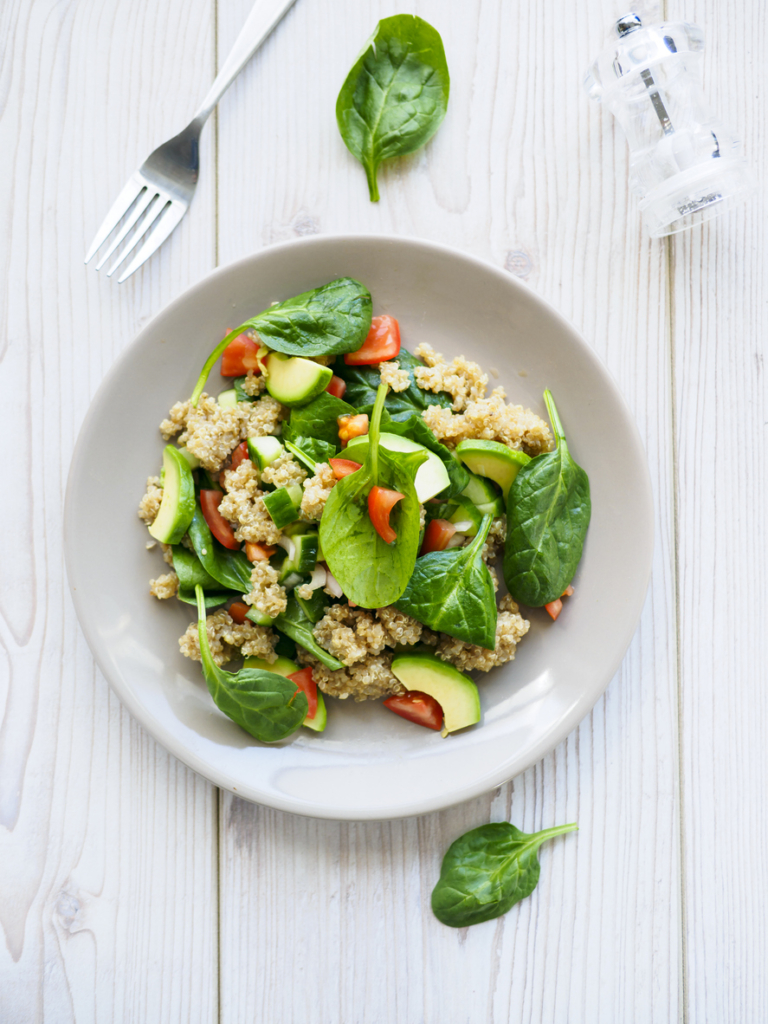
Quinoa is richer in protein, vitamins, and minerals than many other grains. A 2024 study suggests it may play a role in preventing hypertension and other chronic diseases.
Tip: Use it as a side dish, salad base, or a wholesome alternative to traditional cereals.
10. Broccoli
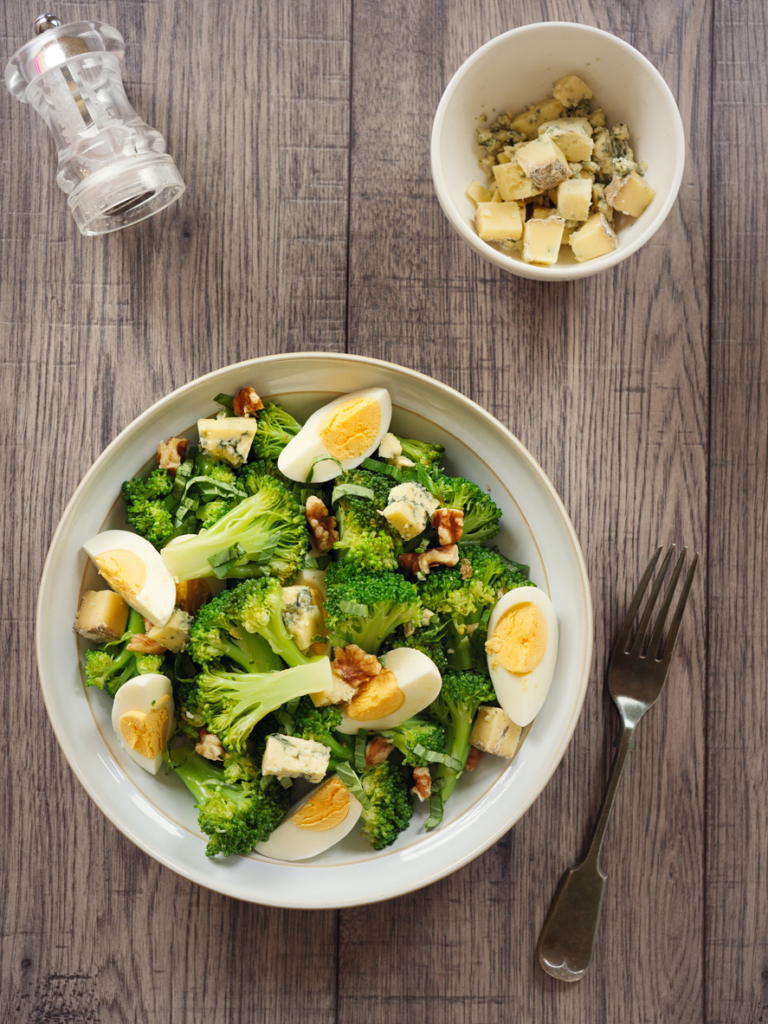
Cruciferous vegetables like broccoli are packed with calcium, potassium, magnesium, and vitamin C. Studies link regular consumption to a lower risk of heart disease.
Tip: Don’t toss the stalks—roast them or blend into creamy soups for extra flavor.
11. Unsalted Pumpkin Seeds
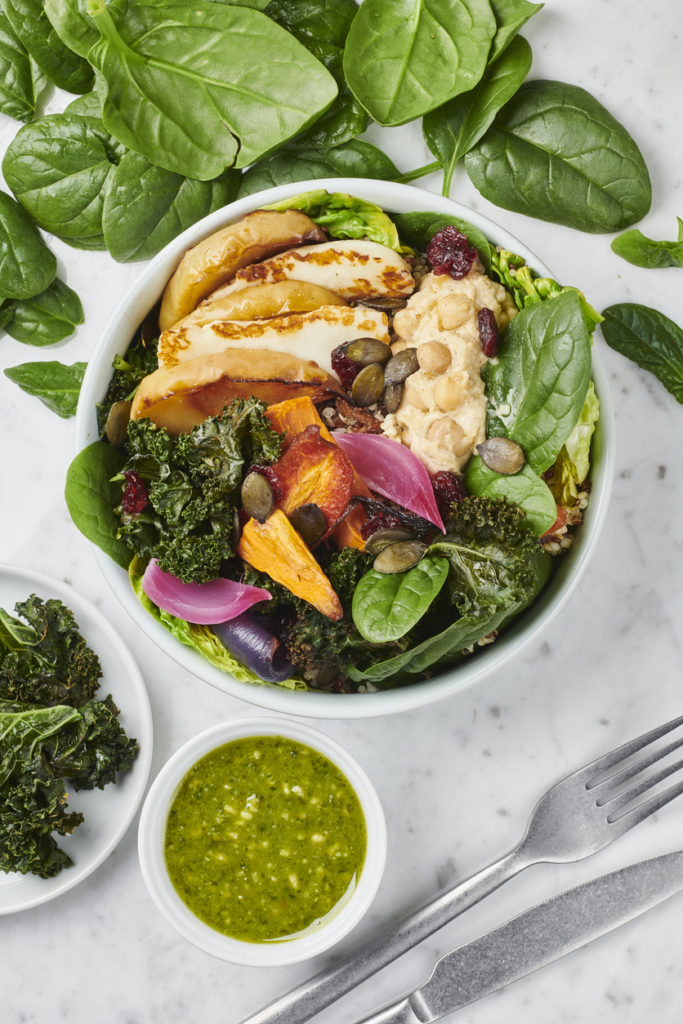
Pumpkin seeds and pumpkin seed oil are rich in magnesium and zinc. Some research suggests that regular intake supports healthy blood pressure levels.
Important: Always choose the unsalted variety!
Which Foods Should You Avoid If You Have High Blood Pressure?
Based on American Heart Association recommendations, it’s best to limit:
- saturated and trans fats,
- alcoholic beverages,
- excess salt and sodium,
- processed, fatty meats,
- foods and drinks with added sugars.
A Well-Designed Diet Is a True Treasure
Managing high blood pressure is a complex task, but diet plays a key role. Experts agree that eating plenty of vegetables, fruits, whole grains, lean proteins, and healthy fats can bring measurable improvements within just a few months. Remember, diet complements medical treatment—it’s not a substitute.