You might think sugar addiction only affects people who eat candy all day. The truth is far more unsettling. Hidden sugars lurk in bread, sauces, yogurt, and dozens of other everyday foods — and most of us are consuming far more than we realize. Over time, that constant sugar exposure quietly rewires your brain's reward system, making cravings harder to resist and harder to recognize.
Left unchecked, this cycle can contribute to weight gain, type 2 diabetes, and cardiovascular disease. The good news? You don't need a month-long overhaul to start changing things. A focused, intentional 3-day detox program can be enough to shift your cravings, retrain your palate, and break the loop.
The dark side of sugar you probably don't see
Sugar doesn't just show up in desserts. It hides in processed foods under dozens of names — high-fructose corn syrup, maltose, dextrose, fruit concentrate. Because it's so widespread, most people genuinely underestimate how much they're eating.
The more sugar you consume, the more your body adapts to expect it. Cravings intensify. Naturally sweet foods like fruit start to taste bland. And the cycle becomes self-reinforcing. That's what makes sugar dependency so difficult to shake through willpower alone — it's not just a habit, it's a biological feedback loop.
How the 3-day detox works
The goal of this program isn't punishment or perfection. It's a gradual reset — three days of eating naturally, reading labels carefully, and giving your taste buds a chance to recalibrate. Each day has a specific focus to make the process manageable and effective.
Day 1: Start your mornings without added sugar
The first step is transforming breakfast — the meal most likely to be loaded with hidden sugar. Swap out cereals, flavored yogurts, and packaged granola bars for something whole and nourishing.
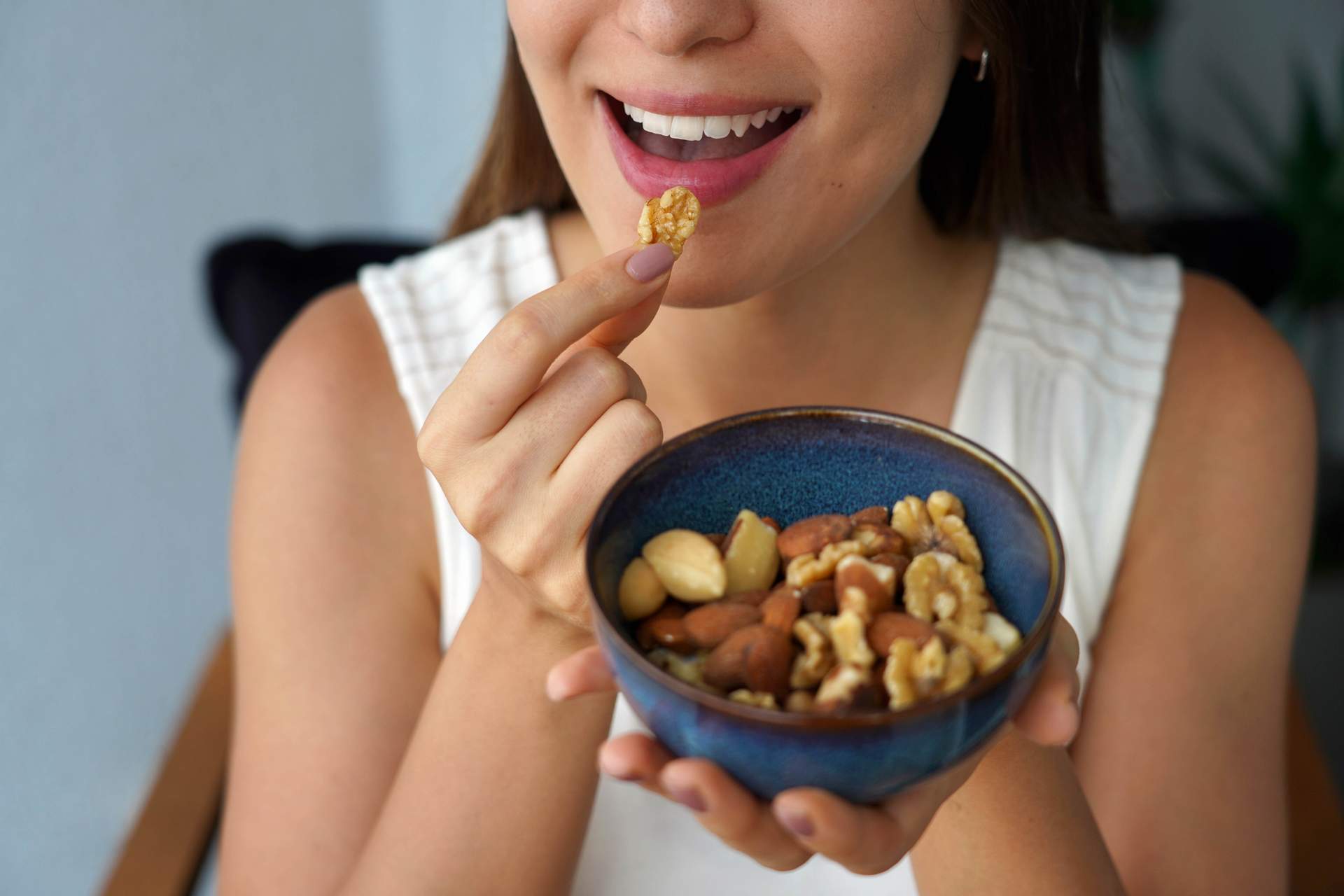
Oatmeal with fresh fruit, walnuts, or almonds is an ideal choice. If you need a little sweetness, a small drizzle of honey or pure maple syrup is fine — the key is using it consciously rather than relying on processed products that add sugar without you noticing. Starting the day this way sets a calmer, more stable tone for your energy and appetite.
Day 2: Hunt down the hidden sugars
Day two is about awareness. Before you eat anything packaged, read the label. You'll likely be surprised — or shocked — by what you find. Pasta sauces, salad dressings, flavored waters, and even sliced bread can contain significant amounts of added sugar.
The most powerful thing you can do today is cook at home. When you prepare your own food, you control every ingredient. This single habit does more for reducing sugar intake than almost any other change. Focus on whole vegetables, legumes, lean proteins, and healthy fats.
Day 3: Reprogram your taste buds
By day three, your palate is already beginning to shift. Now it's time to actively introduce new flavors — bitter, sour, savory, earthy. Try roasted vegetables, fermented foods, or tart fruits like grapefruit or kiwi.
This matters because sugar addiction narrows your flavor world. When sweet is always the loudest taste, everything else fades. Reintroducing complexity helps your brain find satisfaction in foods that don't spike your blood sugar. Also make sure you're drinking plenty of water throughout the day — hydration supports digestion, reduces false hunger signals, and helps your body flush out what it no longer needs.
The emotional side of sugar cravings
Not all sugar cravings are physical. Many are deeply emotional. Stress, boredom, loneliness, and deeply ingrained reward habits can all trigger the urge to reach for something sweet — often without any real hunger behind it.
Recognizing your own patterns is just as important as changing what's on your plate. Ask yourself: when do cravings hit hardest? After a stressful meeting? Late at night when you're tired? Identifying those triggers is the first step to replacing the habit with something healthier.
Relaxation techniques like meditation, gentle yoga, or even a short walk can make a real difference here. They give your nervous system an alternative way to decompress — one that doesn't involve sugar. If you're curious about why stress and snacking are so closely linked, this article on stress-driven cravings is worth a read.
What happens after three days — and beyond
Three days won't undo years of habits overnight, but they can genuinely shift your baseline. People who complete a short sugar detox often report more stable energy levels, clearer skin, better digestion, and — perhaps most importantly — a noticeably reduced craving for sweets.
The real goal isn't to eliminate sugar forever. It's to stop being controlled by it. After the three days, the focus shifts to moderation and mindful eating — enjoying sweetness when you choose it, not because your body is demanding it.
Small, consistent changes always outperform dramatic short-term efforts. Use these three days as a reset, not a finish line. The habits you build in this window — reading labels, cooking at home, staying hydrated, noticing emotional triggers — are the ones that actually last.