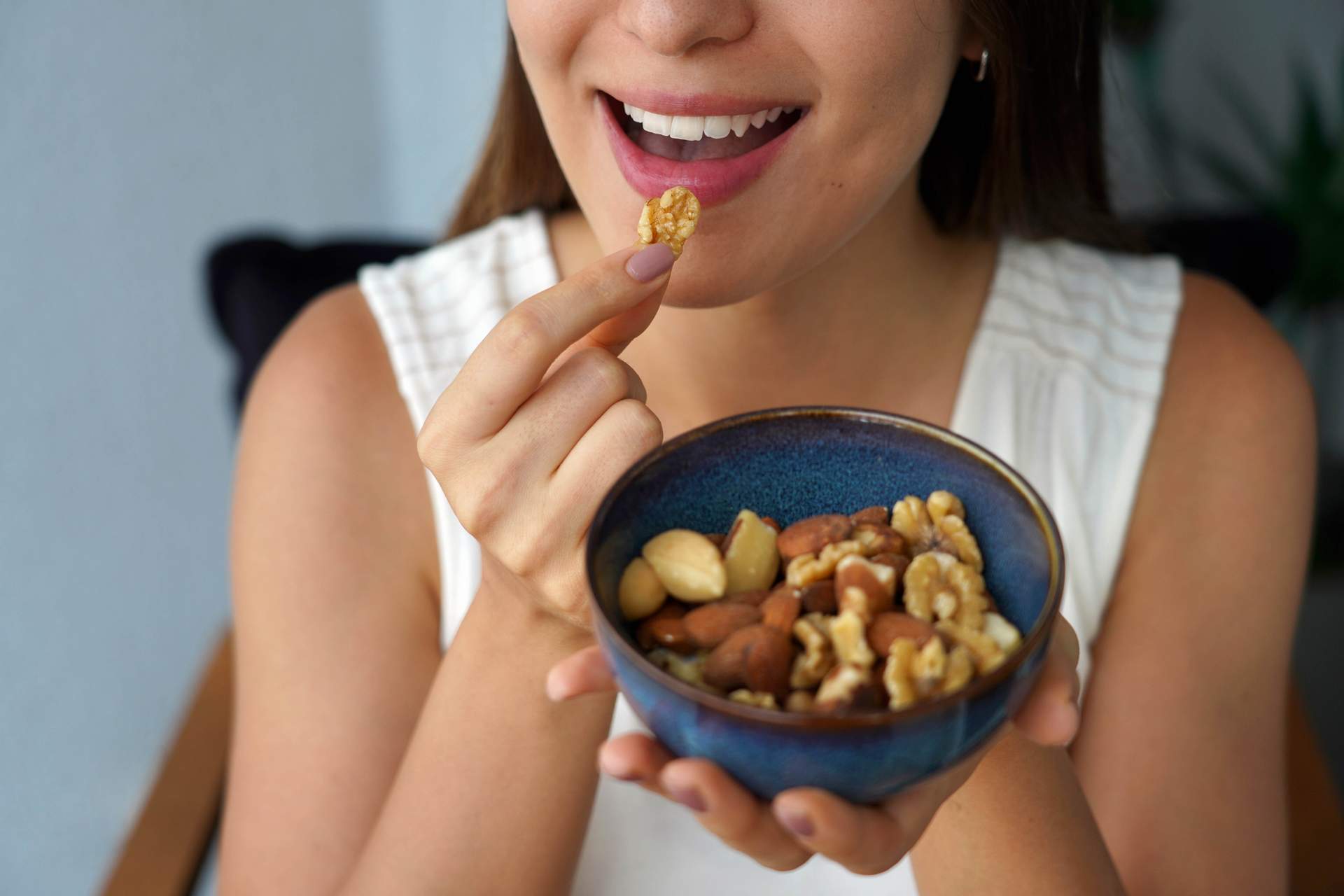
Your body is always talking to you. The question is whether you're listening. These five physical signs could mean you're missing key nutrients — and the sooner you act, the better you'll feel.
Constant fatigue and low energy
Feeling tired all the time isn't just about sleep. One of the most common signs of poor nutrition is persistent exhaustion — and it's often linked to deficiencies in iron, vitamin B12, or vitamin D. These micronutrients are essential for keeping your body's energy systems running properly.
Add more leafy greens, fatty fish, and eggs to your diet. These are among the richest natural sources of the nutrients your body needs to stay energized.
If you've been dragging yourself through the day despite getting enough sleep, your diet might be the missing piece.
Skin problems that won't go away
Your skin is one of the most visible indicators of what's happening inside your body. Persistent itching, flaking, breakouts, or eczema can all point to a lack of healthy fats — particularly omega-3 fatty acids — in your diet.
To keep your skin hydrated and balanced, eat more oily fish like salmon, and don't underestimate the power of seeds and nuts. Small dietary shifts can make a visible difference within weeks.
Brittle nails and hair loss
Your nails and hair are surprisingly reliable messengers. If your nails break easily, your hair is thinning, or you're noticing more strands in the shower drain, your body may not be getting enough biotin, zinc, or protein.
Eggs, meat, and legumes are excellent sources of all three. Think of your hair and nails as a built-in early warning system — when they start to suffer, it's time to take a closer look at what you're eating.
Digestive discomfort and bloating
Frequent bloating, digestive issues, or an unsettled stomach are often signs that your gut isn't getting what it needs. The most common culprits are a lack of dietary fiber and insufficient probiotics.
A varied diet rich in whole grains, vegetables, and fruit will help keep things moving. Fermented foods like yogurt, kefir, and sauerkraut can also restore balance to your gut microbiome. Your digestion reflects your diet — feed it well, and it will reward you.
Mood swings and low mood
If you find yourself riding an emotional rollercoaster — irritable one moment, flat the next — your diet could be playing a bigger role than you think. The production of serotonin, the brain's natural mood stabilizer, depends on tryptophan, an amino acid that must come from food.
Turkey, cheese, bananas, and seeds are all rich in tryptophan. Adding them to your daily meals can help support serotonin production and bring more emotional stability to your day.
Nutritional deficiencies don't just affect the body — they affect how you feel, think, and cope with everyday stress.
The good news? Most of these signs can be reversed with simple, consistent changes to what you eat. Pay attention to what your body is telling you — it's usually asking for something specific. A more mindful approach to nutrition can have a profound impact on your energy, your mood, and your overall wellbeing.