The Mysterious Death of the Hunters

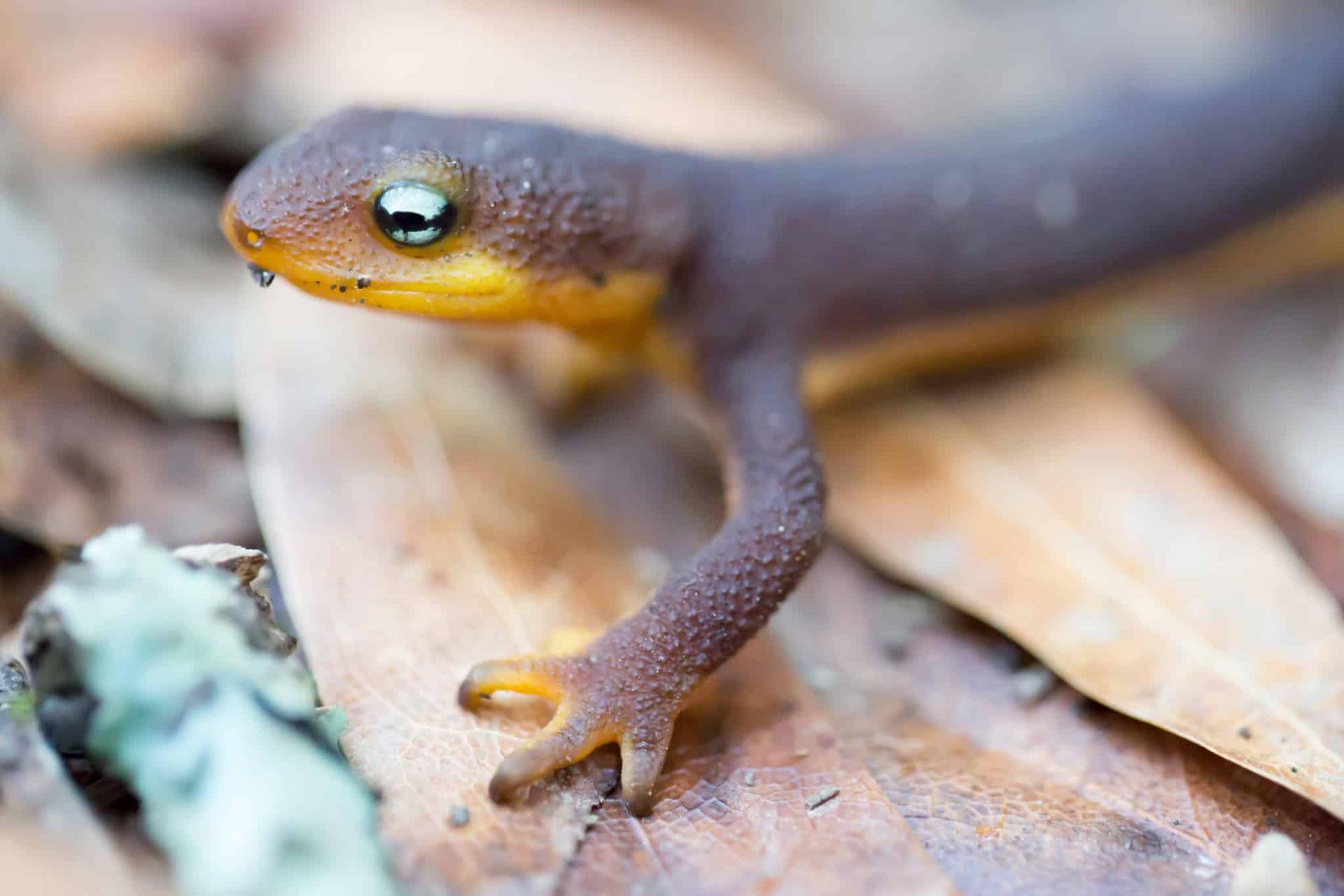
In 2011, three hunters were found dead around their camp in Oregon. There were no signs of struggle or external injury, baffling the medical examiners. The only odd clue was a dead newt found in the coffee maker. It turned out this little amphibian produces tetrodotoxin, a poison a thousand times deadlier than cyanide. The newt fell into the coffee maker unnoticed, and the hunters unknowingly drank the fatal brew.
The Suicide Palm

The Tahina spectabilis palm, native to Madagascar, was discovered in 2008 to essentially bloom itself to death. This giant palm grows for about fifty years, then bursts into nectar-filled flowers that consume all its nutrients, ultimately causing its own demise.
Parasitic Eel in a Shark’s Heart

In 1997, a shark was caught and during dissection, a whole eel was found alive inside its heart. The eel likely entered through the gills while the shark struggled in a fishing net. The shark’s guts were full of blood that entered after its death. If not refrigerated, the parasitic eel might have crawled out after feeding.
Space Archaeology

Sarah Parcak analyzed high-resolution satellite images with advanced algorithms, leading her team to discover 17 pyramids, around a thousand tombs, and 3,100 hidden ancient settlements—all in Egypt. Her mission continues to advance space archaeology and prevent grave robbing.
Roast from a Prehistoric Bison

In 1979, a mummified bison named Blue Babe was found in Alaska. Killed by an ancient lion, its body was perfectly preserved by permafrost. To celebrate, scientists cooked a piece of its neck meat. They described the taste as slightly "earthy," but seasoned well, it was definitely edible.
Albino Crustaceans in a Sewage Cave

In 2015, workers cleaning a sewage canal in Romania uncovered a sealed cave with a 5.5-million-year-old microclimate. Named Movile Cave, it’s home to unique creatures like albino crustaceans and worms that evolved separately, feeding on sulfur-producing bacteria.
Victoria’s Secret Perfume as Mosquito Repellent

Researchers studying insect repellents compared popular sprays with perfumes like Avon and Victoria’s Secret. Surprisingly, Victoria’s Secret perfume was more effective than some repellents—though only for short periods.
The Fish, Chlorophyll, and Night Vision Eye Drops

The black dragonfish (Malacosteus niger) looks intimidating. In the 1990s, scientists discovered it can detect red light, unlike other deep-sea fish. It likely obtains chlorophyll from bacteria in its diet, using it to enhance its vision. Inspired by this, the Pentagon funded a project to develop chlorophyll-based eye drops to help soldiers see at night without bulky goggles.
The Largest Diamond and the Slave Girl

This isn’t a recent story, but it’s little known: In 1853, a young slave girl named Rosa found a "big stone" by the riverbank. It turned out to be the world’s largest diamond, the "Star of the South." As a token of gratitude, her owner freed Rosa and paid her a lifetime pension.
The Healing Vaseline and Oil Extraction

A chemist visiting an oil extraction site noticed workers applying a wax-like substance from the drills to their wounds to speed healing. He refined the raw petroleum gel and launched it as the miracle product we now know as Vaseline.