These patterns are often so ordinary, so deeply ingrained in us, that we don't even notice their negative effects – until we suddenly face an insecure, anxious, or lacking self-confidence young adult. The good news, however, is that by recognizing our own bad patterns, we can correct these parental habits.
Rejecting or Belittling the Child's Feelings
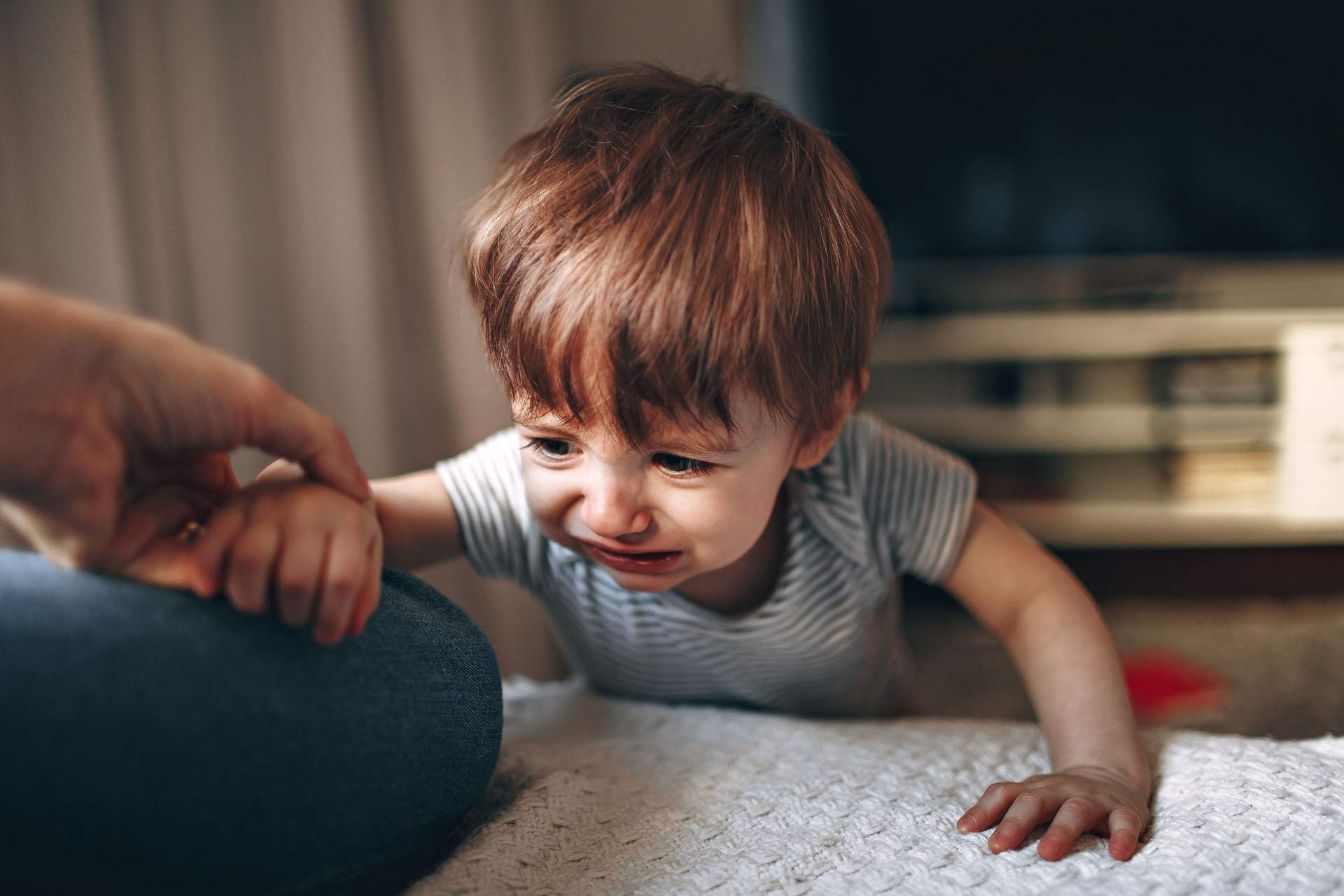
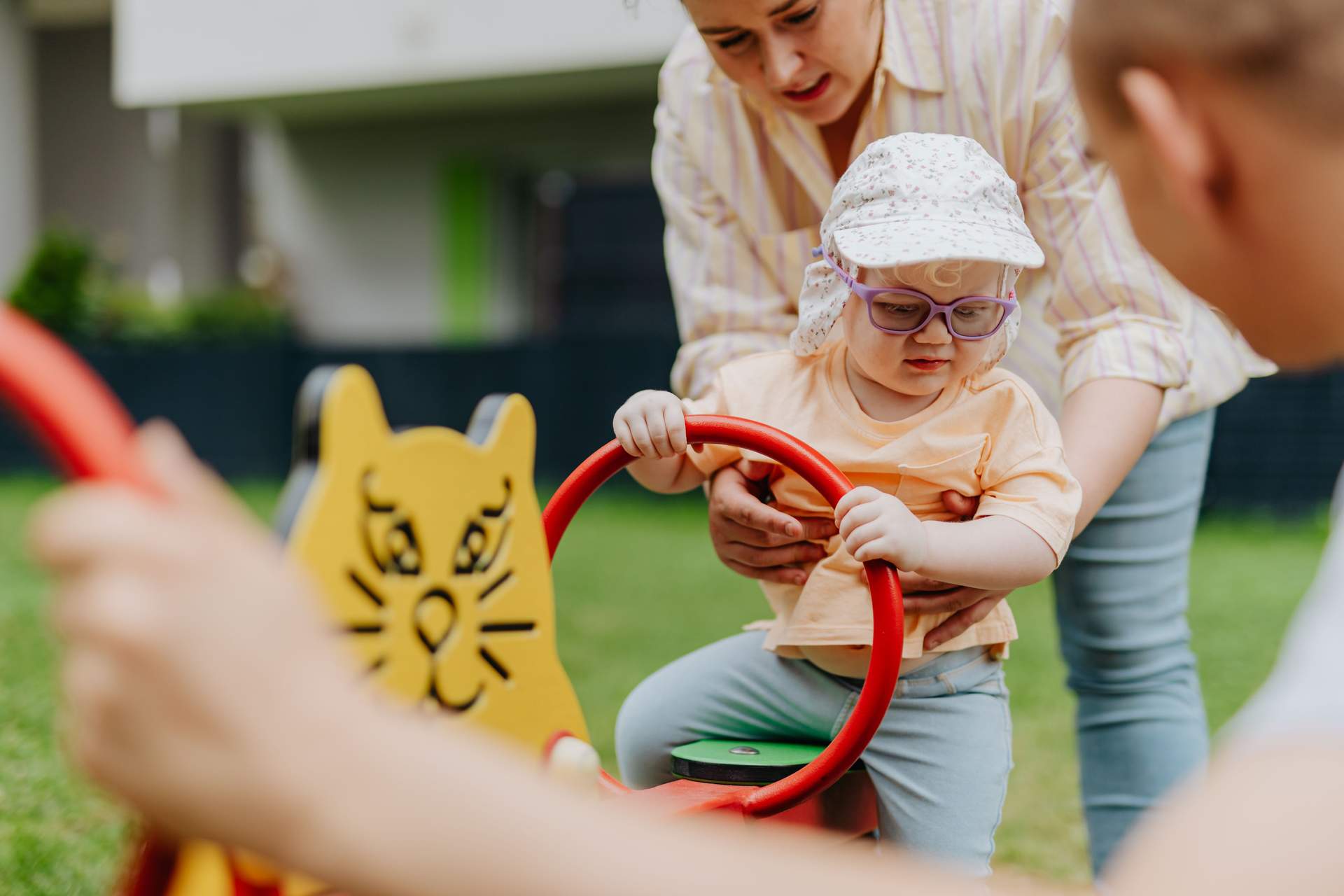
It certainly sounds bad at first reading, and you might not understand why anyone would do such a thing. But just imagine a crying child at the playground, comforted by their mother, father, or grandmother with: "Oh, come on, don't cry, nothing happened!" or "There's really no reason to be sad about this!"
These sentences seem harmless but actually convey the message to the child that their feelings are invalid or even bothersome. In the long run, this can lead to the child learning to suppress their own emotions because they believe those feelings are "bad" or "unnecessary."
According to an article in Psychology Today, such emotional invalidation damages a child's self-esteem and self-awareness over time. If a child does not learn that their feelings are okay and manageable, they will struggle as adults to handle stress or conflicts – or may even hide their own feelings from themselves.
What can you do differently? First of all: listen to your child's feelings without judgment. If they cry, don't try to immediately comfort or distract them; instead, ask: "What's bothering you?" Give them space and time to experience their emotions, and reassure them that what they feel is completely okay.

Excessive Control and Expectations to Conform
Parents often make the mistake of controlling their child's life too strictly – choosing the best school, the best extracurricular activity, the best sport for them, all in the interest of a "successful future." After all, who wouldn't want that for their child? However, if a child constantly feels they must meet parental expectations because otherwise they are "not good enough," it gradually undermines their self-confidence.
Excessive control can make the child feel they have no real say in their life, which can lead to frustration, anxiety, or even depression. Moreover, they may learn that they are only valuable if they comply – not lovable for who they are, but because of their achievements.
What can you do differently? It is important to allow your child to make their own decisions – of course, within age-appropriate boundaries. Support their interests, even if they don't align with your own ideas. And above all: praise them for their efforts, not just their results.

"Correcting" the Child When They Don't Behave as They "Should"
Many parents – with completely good intentions – constantly try to "correct" their child. If the child is too quiet, they try to "encourage" them to be more open. If too sensitive, they say: "Don't be such a crybaby." However, the child learns from this that they are not good enough as they are.
It is clear that good intentions guide this: they want their child to fit in, to bring out the best in themselves. According to an article in Psychology Today, however, this habit slowly undermines the child's self-image. They dare less and less to be themselves because they feel they are only acceptable if they change. This can be especially damaging if the child is naturally more introverted or sensitive.
What can you do differently? Instead of trying to "reshape" your child, observe them and learn from them. Accept their temperament and help them find situations where they can be themselves. By supporting them as they truly are, you give them the greatest gift: the ability of self-acceptance.
As a parent, love is the most important thing, but it alone is not enough – the quality of parental behavior is just as important. If we truly want the best for our child, we must examine not only our actions but also their effects. Respecting the emotional world of children, supporting independence, and unconditional acceptance all contribute to them becoming healthy, confident adults. And ultimately – isn't that every parent's dream?