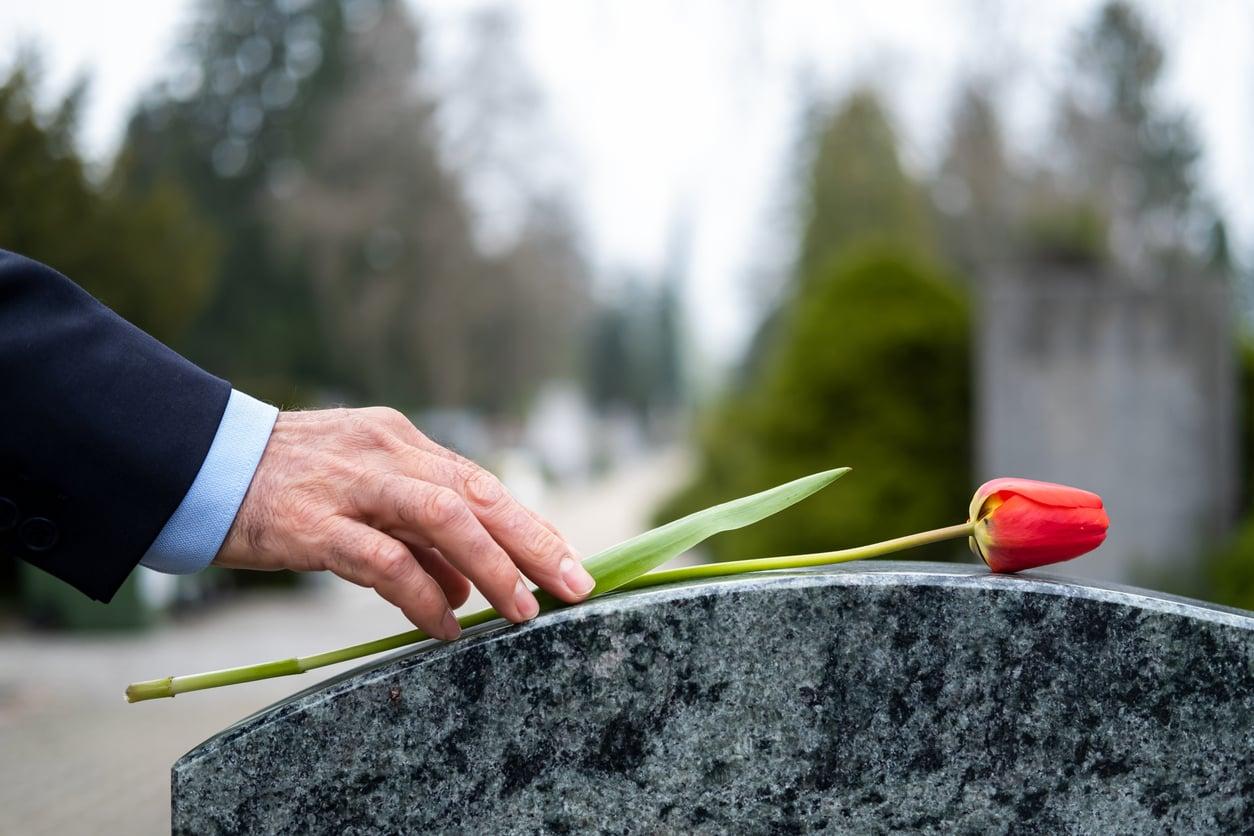
For the past three weeks, I haven't been answering calls from unknown numbers. When my phone rings and there's no name attached, I let it go to voicemail, then stare at the screen like it might tell me something. That's what I've become since the day I stood beside my aunt's grave and a man I had never seen in my life looked at me and said: you're my daughter, aren't you?
My aunt raised me — but rarely talked about the past
Her name was Ilona, and she raised me after my mother left when I was twelve — moved to another city with a man I never properly knew, and from that point on, my aunt's apartment was the only home I had.
Ilona never spoke much about family matters. What's done is done, she'd say — no use scratching old wounds. For years, I accepted that. It was comfortable not to know. I didn't realize how much I had agreed to carry that silence for her.
A stranger at the funeral said he was my father
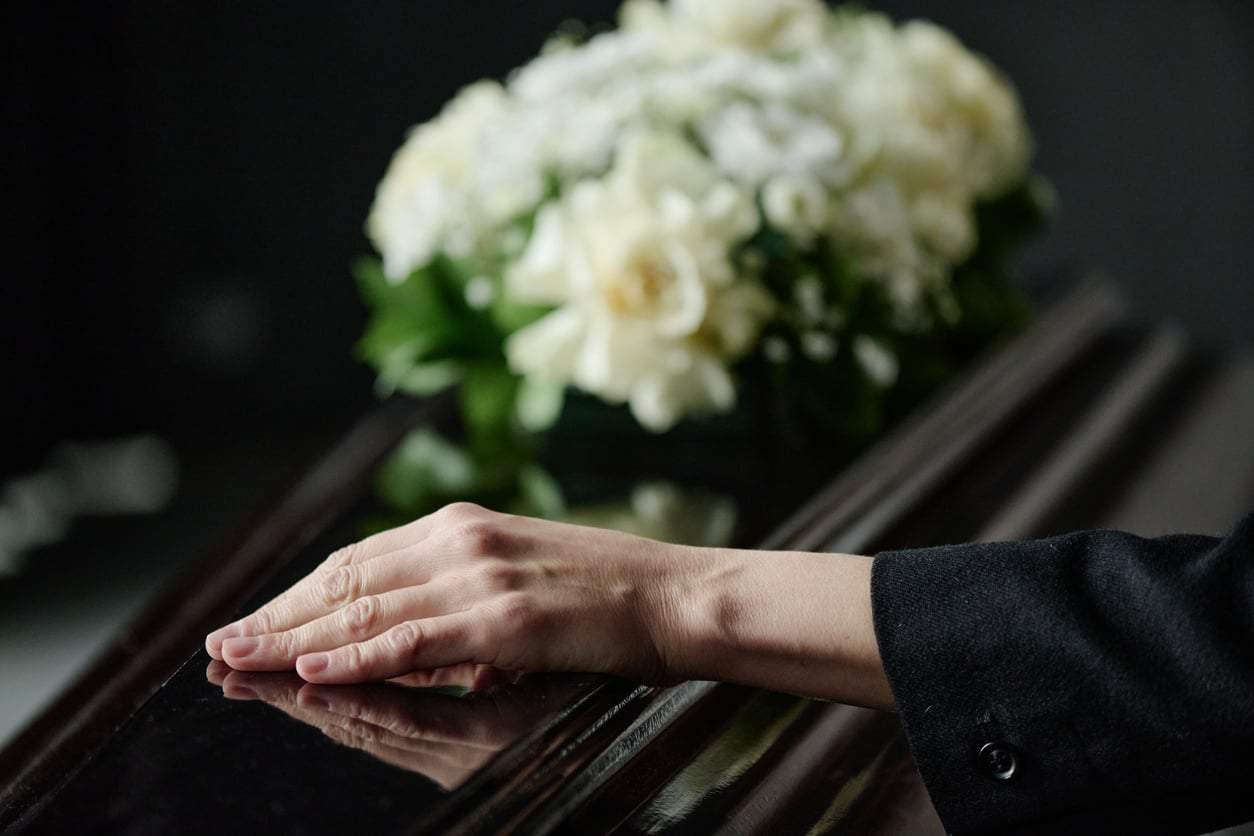
After the service, when everyone had started moving toward the gate, a man in his sixties stopped beside me. He wore a checkered coat, lit a cigarette with shaking hands, and stared at my face for a long moment — as if he were searching for something he recognized there. Then, without any introduction, he just said it: you're my daughter, you know that?
I stood there in the mud, holding a single white chrysanthemum, with no idea how you're supposed to respond to a sentence like that from a complete stranger.
He went on to explain that he had once lived with my mother — before she left — and that he believed he was my biological father. The reason no one ever told me, he said, was that the relationship had been considered shameful by the family. His words came in fragments, the logic didn't always hold, but one thing cut through clearly: he claimed that Ilona had known the truth her entire life and had kept it from me.
On the drive home, I sat beside my friend who had taken me to the funeral and said nothing. I watched the trees blur past the window. When I got inside, I opened the dresser drawer where Ilona kept her old photographs, and spent hours turning over black-and-white images — as if they might suddenly tell a different story than the one I'd always believed.
An old photograph only raised more questions
I found a picture of a young man standing next to my aunt in a garden. On the back, written in pencil: 1978, in front of the house. I couldn't say for certain whether it was the man from the funeral — the face was blurred — but the way he stood, the way his hands were tucked into his pockets, felt strangely familiar.
The next day I called my cousin, the oldest surviving member of the family, and asked whether she'd ever heard anything like this. There was a long silence on the line. Then she said that there were things Ilona didn't like to talk about, and that she herself didn't know exactly what was true. That answer didn't resolve anything. It only confirmed what I already suspected — that something had been deliberately hidden from me, for a very long time.
I don't know if I'm ready to find out the truth
The man left his phone number with the cemetery caretaker — on a piece of paper, just in case I ever wanted to reach him. I've called twice. Both times I hung up before it even rang through. Now the number sits on a small piece of paper next to my laptop, and sometimes I just look at it, as if those few digits hold the answer to who I actually am.
I don't know when I'll be ready to call him back. Maybe never. Maybe next week. What I do know is that I haven't been back to Ilona's grave since the funeral — because I couldn't stand there without asking her why she never told me where I came from.
What happens when a family secret surfaces?
Discovering a hidden truth about your origins — especially later in life — can feel destabilizing in a way that's hard to explain to people who haven't experienced it. Identity isn't just a name or a face in a photograph. It's the story you've told yourself about where you belong.
Many people in similar situations describe a strange grief: mourning not just a person, but a version of their own life they now have to reconsider. There's no right timeline for processing that. Some people make the call within days. Others wait years. Some never do — and that, too, is a valid choice.
If you're facing something similar, it may help to speak with a therapist before making contact, so that whatever you discover, you're not navigating it completely alone.
Is it normal to feel paralyzed after a revelation like this?
Completely. Learning that a foundational part of your identity may have been hidden from you is a form of shock. It's natural to feel frozen, angry, or unable to act for days, weeks, or longer.
Should I contact someone who claims to be my biological parent?
There's no obligation either way. Some people find clarity and even connection by making contact; others find it reopens more wounds than it heals. Taking time — and ideally speaking to a counselor first — can help you decide what's right for you.
What if other family members deny knowing anything?
As this story shows, partial denials or vague answers can themselves be a form of confirmation. If someone says "there were things we didn't talk about," that's worth sitting with. You don't have to force answers from people who aren't ready to give them.
Can a DNA test help in situations like this?
A DNA test can confirm or rule out a biological connection, which removes some of the uncertainty. However, as many people discover, knowing the biological truth doesn't automatically resolve the emotional questions that come with it.
Is it okay not to pursue the truth at all?
Yes. Choosing not to investigate is also a valid decision. Some people find peace in letting the past remain the past — just as Ilona seemed to believe. Only you can decide what kind of knowing you need to live well.