You've packed your bag, slathered on the sunscreen, and finally made it to the beach — only to feel uncomfortably bloated an hour later. Sound familiar? What you eat before and during a beach day makes a bigger difference than most people realize. A few simple swaps can keep your stomach flat, your energy high, and your mood even better. Here's what to watch out for.
Cruciferous vegetables eaten raw
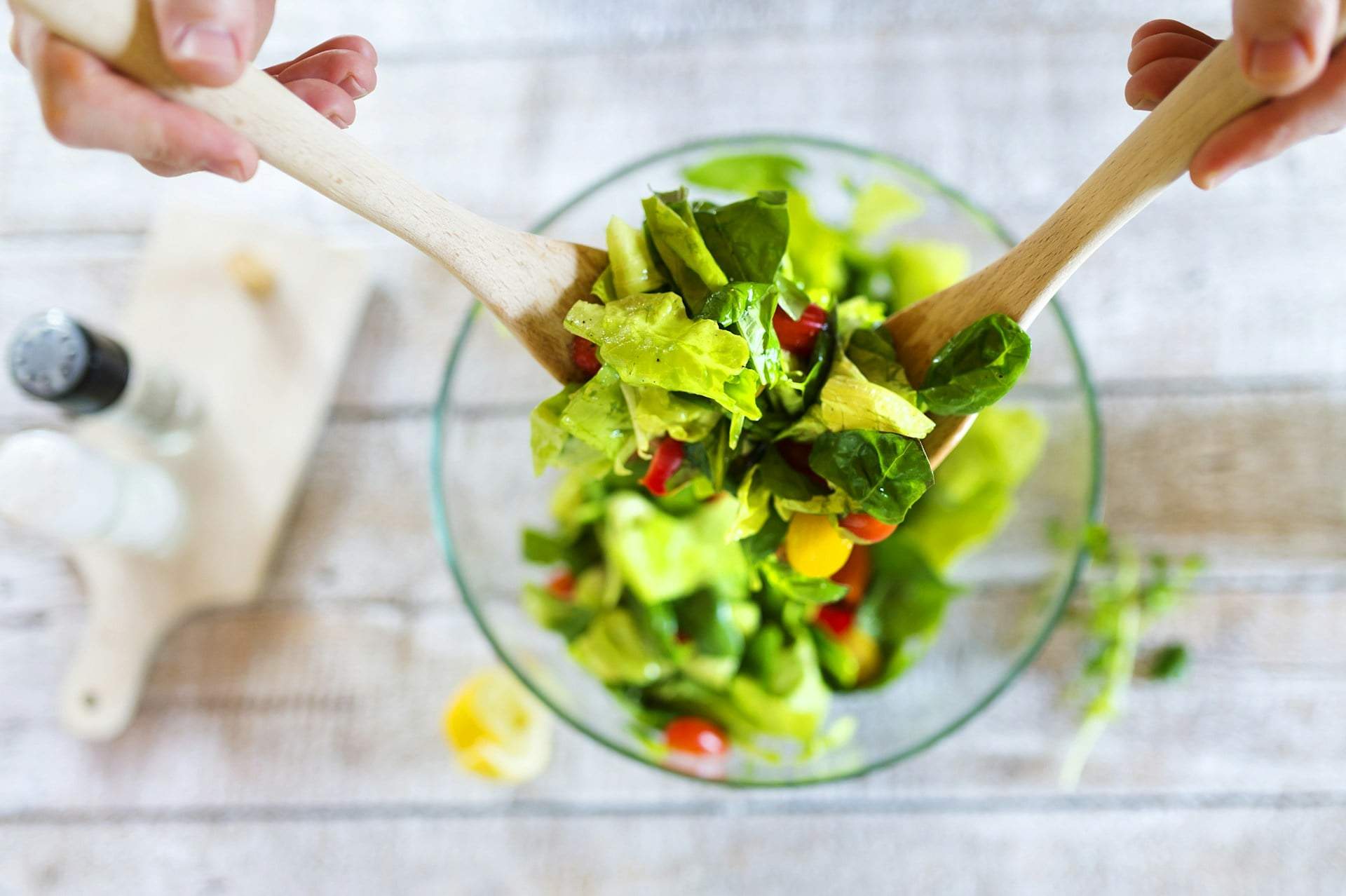
Vegetables are the foundation of a healthy diet — but not all of them are beach-friendly, especially when eaten raw. Cruciferous vegetables like broccoli and cauliflower are among the most common culprits behind bloating, particularly if your digestion is on the sensitive side.
These vegetables contain compounds that ferment in the gut and produce excess gas. You don't need to cut them out entirely — just save them for days when you're not heading to the pool. If you love them, try steaming them first, which makes them much easier to digest.
Fizzy drinks and cocktails
Summer and cold, bubbly drinks go hand in hand — but that refreshing fizz comes at a cost. Carbonated drinks pump gas directly into your stomach, causing that tight, uncomfortable feeling that no one wants on the beach. Alcoholic cocktails add another layer of trouble, as they're often loaded with sugar, which further disrupts digestion.
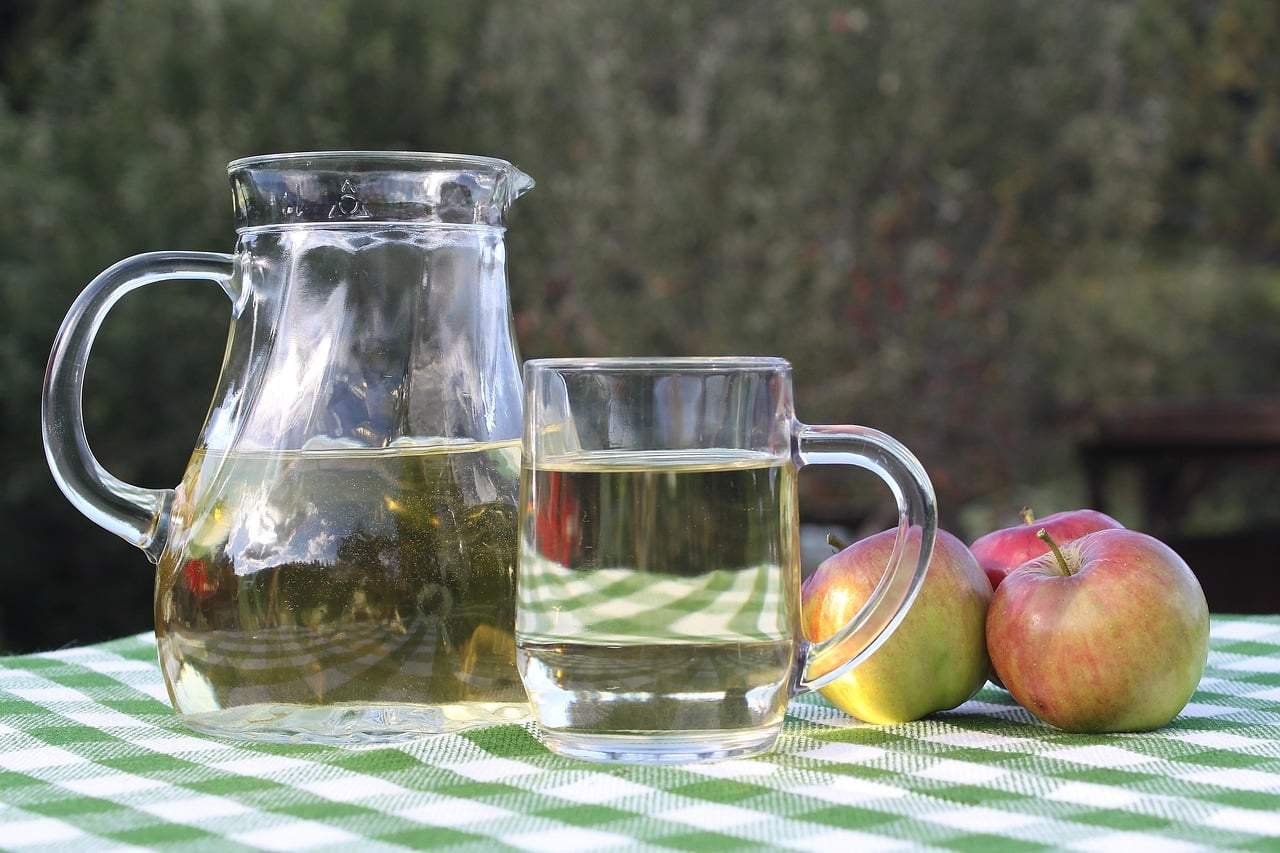
Try swapping your soda or cocktail for still water or a lightly flavored herbal tea. You'll be surprised how much lighter you feel within just a day or two.
If plain water feels boring, add slices of cucumber, lemon, or fresh mint for a naturally refreshing alternative that won't leave you feeling puffy.
"Sugar-free" snacks made with artificial sweeteners
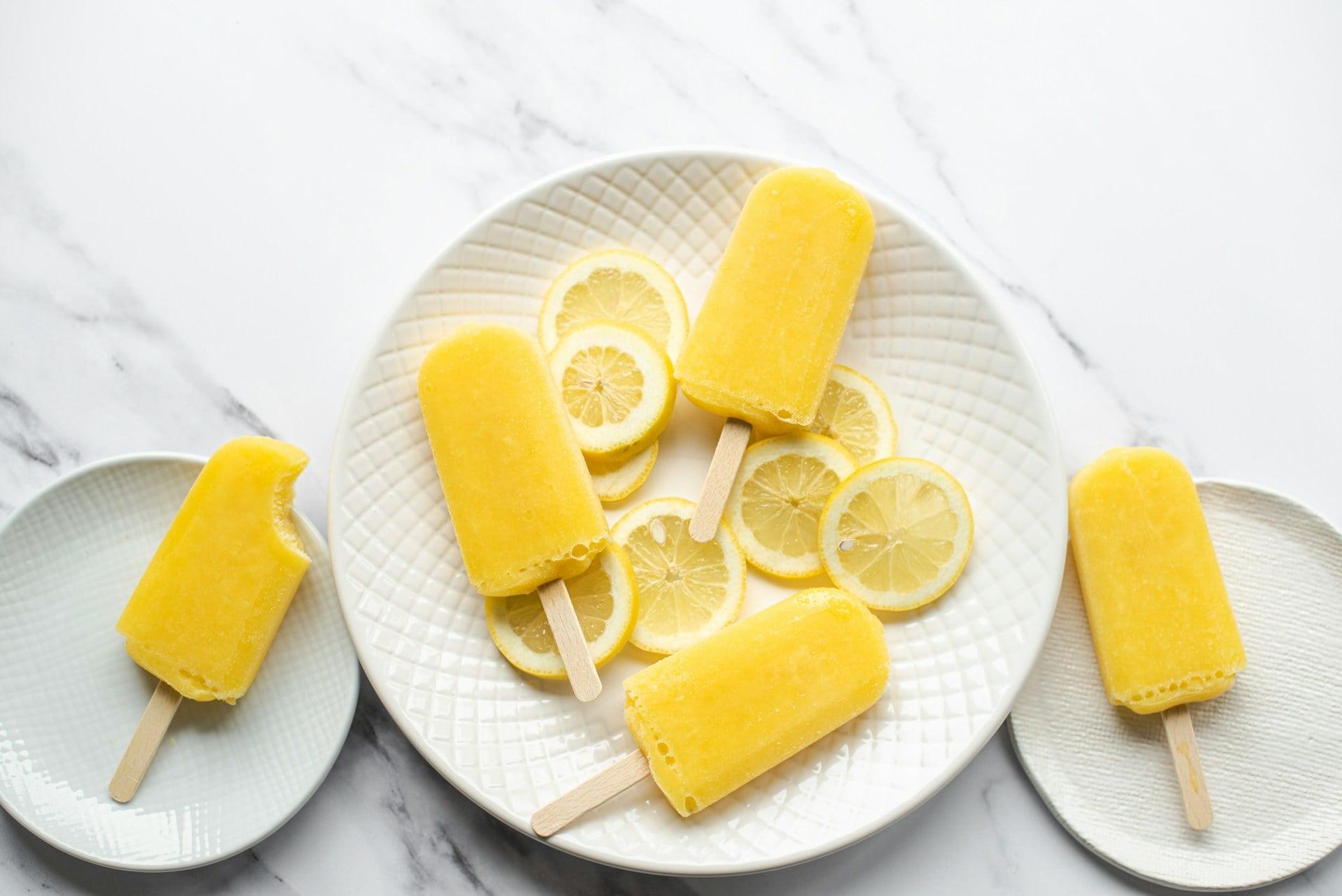
A sugar-free ice cream on a hot day sounds like the perfect guilt-free treat — but the reality is a little more complicated. Many sugar-free products contain artificial sweeteners like xylitol, sorbitol, or maltitol, which your body struggles to fully break down. The result? Bloating, gas, and digestive discomfort that can sneak up on you fast.
This applies to sugar-free gum, diet ice creams, and many low-calorie snack bars. Check the label before you buy, and opt for products sweetened naturally with fruit or a small amount of honey instead.
Salty snacks and fried foods
Beach food stalls are hard to resist — fried dough, chips, and fries are practically part of the summer experience. But these foods are packed with salt and fat, both of which slow digestion and cause your body to retain water. That combination leads to bloating and a heavy, sluggish feeling that can linger for hours.
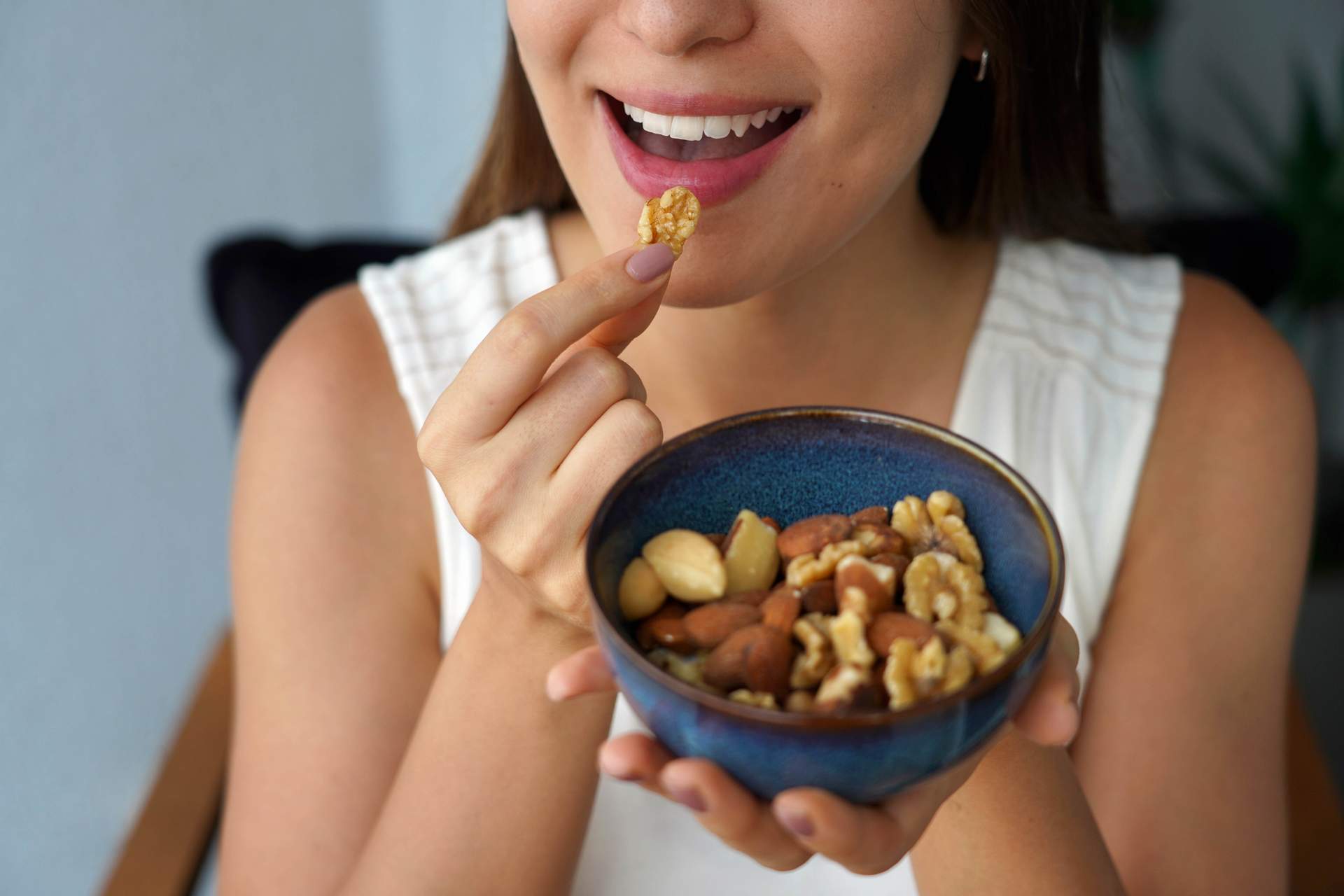
If you need something to snack on between swims, reach for fresh fruit, rice cakes, or a small handful of unsalted nuts. They'll keep you satisfied without the aftermath.
Processed dairy products
Creamy cheeses and rich dairy-based ice creams are summer staples for many people — but processed dairy can be surprisingly hard on the digestive system, especially for anyone with even mild lactose sensitivity. Heavy cheeses and cream-based desserts can leave you feeling full, sluggish, and bloated well into the afternoon.
The good news is that there are plenty of lighter alternatives. Almond milk, oat-based yogurts, and dairy-free frozen treats have come a long way in terms of taste, and your stomach will thank you for making the switch. If you're not sure whether dairy is affecting you, try cutting it out for a few beach days and see how you feel.
You don't need a dramatic diet overhaul to feel better this summer. A few small, mindful choices — skipping the fizzy drinks, steaming your veggies, and reading the labels on "diet" snacks — can make a real difference in how you feel on the sand. Start with one or two changes and build from there. A flatter, more comfortable stomach might be closer than you think.