Your home should be a place where you can think clearly, work well, and feel at ease. But certain design choices — ones that seem harmless or even stylish — can quietly drain your ability to concentrate. The good news? Most of them are easy to fix once you know what to look for.
1. Too much visual stimulation
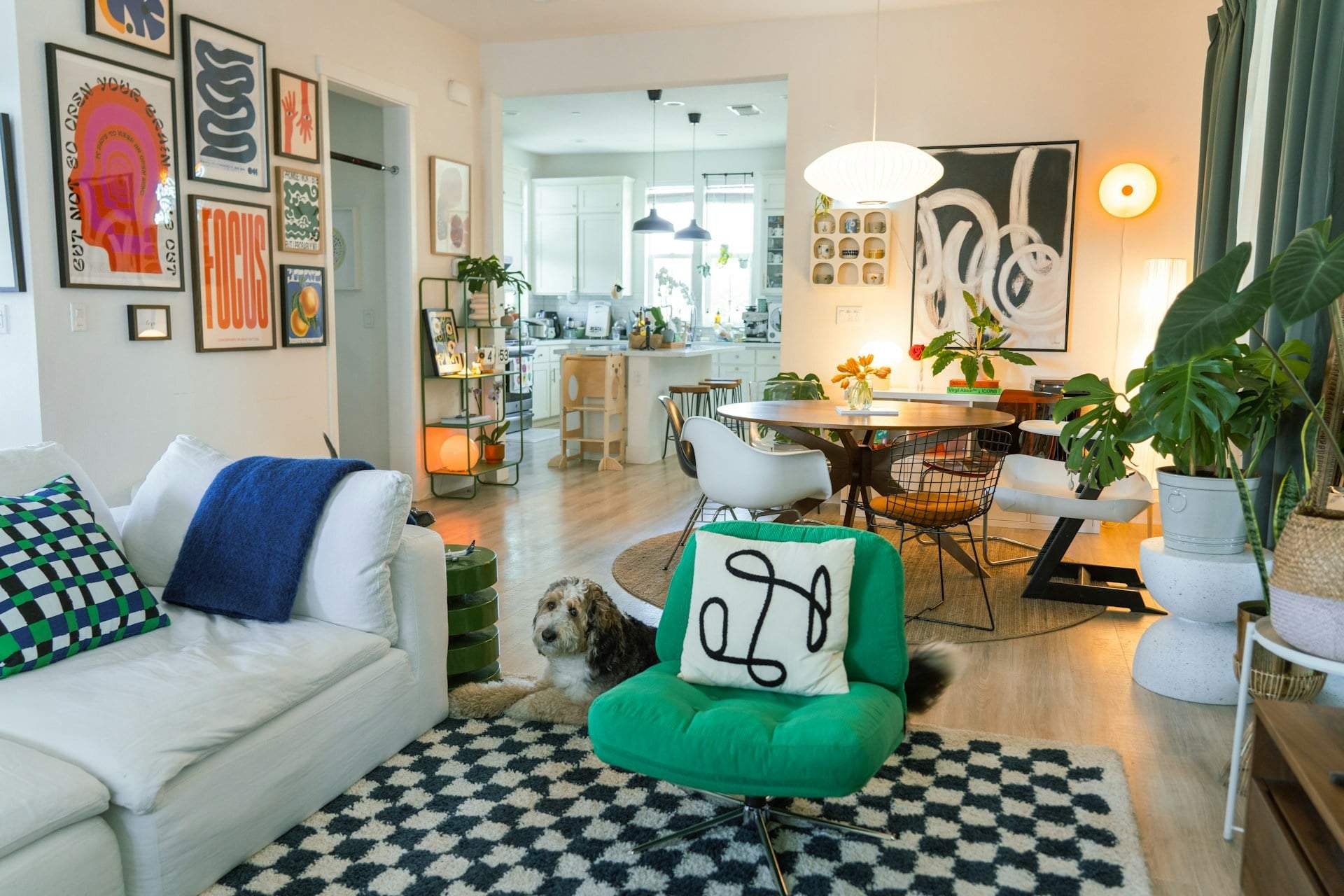
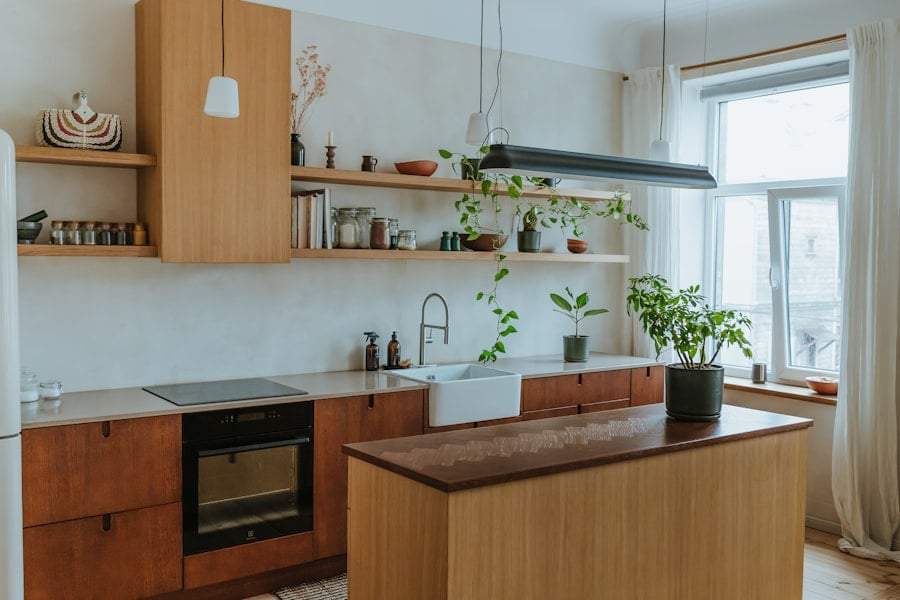
Cluttered rooms packed with bold colors, busy patterns, and wall-to-wall décor force your brain into constant processing mode. When there's too much competing for your attention visually, focusing on any one thing becomes genuinely harder — not just a matter of willpower.
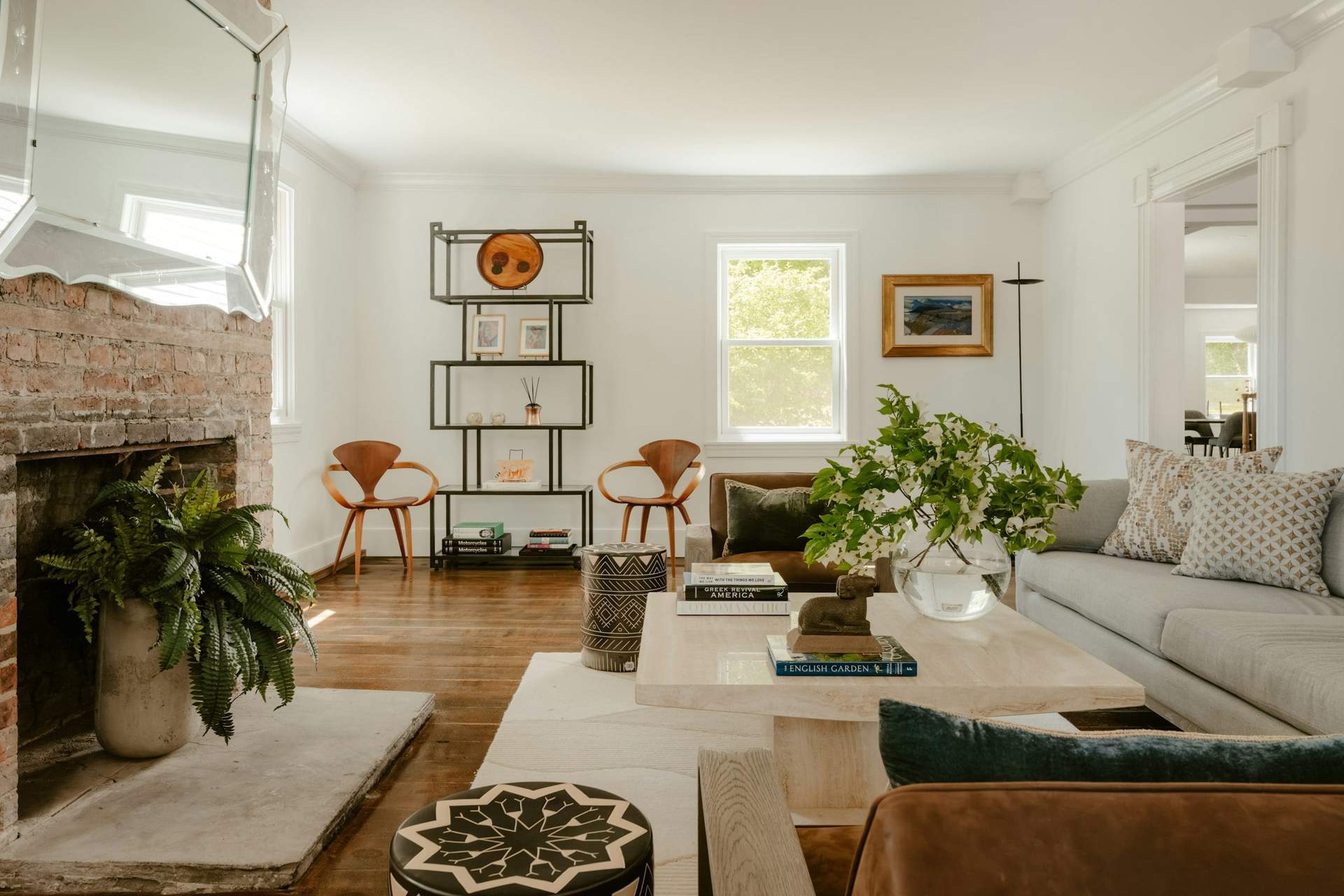
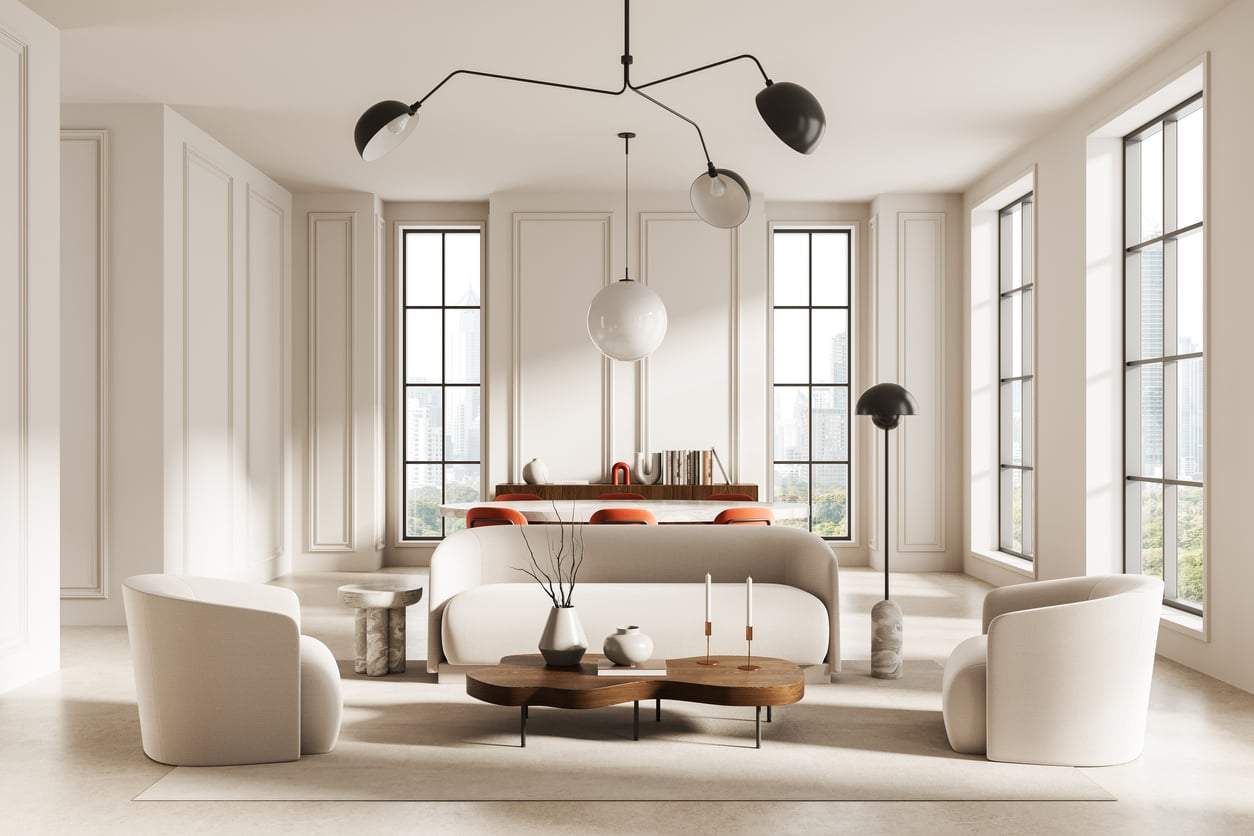
Research suggests that people who create minimalist environments around them find it easier to concentrate and work more efficiently.
You don't need to strip your home bare, but embracing the "less is more" principle can make a real difference. Clear out objects you don't love or use, and lean toward calm, cohesive color palettes that let your eyes — and your mind — rest.
2. Poor lighting choices
Lighting has a bigger impact on focus than most people expect. Light that's too harsh or too dim can trigger headaches and eye fatigue, both of which make sustained concentration feel like an uphill battle.
The ideal setup includes adjustable lighting — a good desk lamp that lets you control intensity goes a long way. Even better, position your workspace to take advantage of natural daylight wherever possible. Natural light supports alertness, lifts your mood, and helps regulate your body's internal clock.
3. Too many devices in your space
Electronics are unavoidable in modern homes, but their presence adds up. Buzzing phones, blinking screens, and notification sounds are all low-level distractions that chip away at your focus throughout the day — even when you're not actively using them.
One of the most effective fixes is creating a dedicated workspace where only the tools you actually need for the task at hand are within reach. Keeping devices out of sight when they're not needed can make a surprisingly big difference in maintaining your concentration levels over time.
4. Clutter and disorder
A disorganized space doesn't just look messy — it creates a low-grade background stress that makes it harder to settle into focused work. Your brain registers the chaos around you even when you think you're ignoring it.
Make it a habit to regularly clear out things you no longer need, and aim for an environment that feels calm and intentional. The Marie Kondo "spark joy" approach is genuinely useful here: if an object doesn't bring you joy or serve a clear purpose, it probably doesn't belong in your space.
5. Inadequate soundproofing
Noise is one of the most disruptive concentration killers, and it's often overlooked in home design. Traffic, neighbors, and ambient city sounds can all interrupt your train of thought more than you realize — especially during deep work.
Soundproofed windows or even heavier curtains can significantly reduce the intrusion of outside noise. If structural changes aren't an option, try working with background music or white noise — both can mask disruptive sounds and help your brain settle into a focused state.
Addressing these five design issues won't just help you work better — it will also boost your overall productivity and wellbeing at home. Small changes to your environment can have a bigger impact on your mental clarity than you might expect.