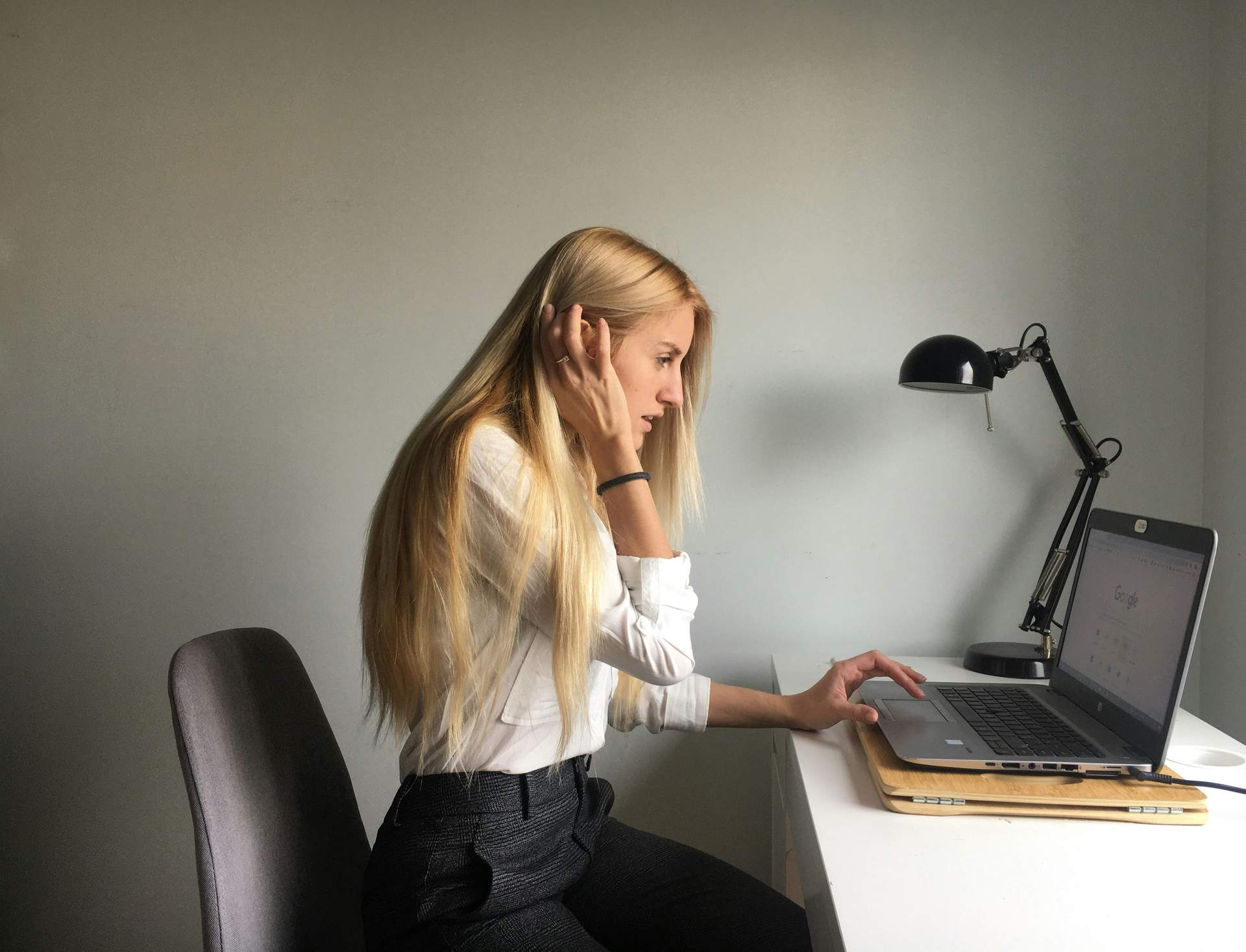
We all know the feeling of sitting in front of a computer for hours, only to have our back start sending warning signals. Modern work life often means long hours seated, but luckily, there are effective ways to avoid that nagging back pain. Here are five tried-and-true tips to keep your back healthy and pain-free.
Adjust Your Monitor Height
One of the most common causes of back pain is having your monitor set at the wrong height. When it’s too low, you tend to tilt your head down, which can lead to neck and back discomfort over time.
Ideally, the top edge of your screen should be level with your eyes. This helps you keep your head straight and eases tension in your neck and shoulders. Consider using an adjustable monitor stand to find the perfect height for your screen.
Take Regular Breaks and Stretch
Sitting for long stretches can really strain your spine, so it’s important to pause your work regularly. Even standing up for a few minutes helps relieve built-up tension.
Try to stand and walk around for at least five minutes every hour. Add some stretches targeting your back to ease stiffness. Stretching your lower back, shoulders, and neck not only prevents pain but also boosts circulation.
Set Up Your Chair and Sitting Position Right
Using an ergonomic chair can be a game-changer for preventing back pain. These chairs support your body properly, reducing strain on your spine. Make sure your chair height lets your feet rest flat on the floor and your knees bend at about a 90-degree angle.
While sitting, keep your back straight and avoid slouching your shoulders forward. You can also use lumbar support or a cushion to better support your lower back. Maintaining good posture greatly lowers your risk of developing back pain.
Use Proper Lighting
Poor lighting doesn’t directly cause back pain, but it can make you lean closer to the screen, leading to awkward postures. Make sure your workspace is well-lit without glare reflecting off your monitor.
A well-lit area not only improves your posture but also reduces eye strain. If needed, use an adjustable desk lamp to optimize lighting and ease the load on your eyes and neck.
Take Care of Your Mental Well-being
Work-related stress often shows up physically, including as back pain. Managing your mental health is key to easing these physical symptoms.
Try incorporating daily meditation, breathing exercises, or just a few minutes of quiet reflection. These simple practices can lower stress levels and help reduce back discomfort, boosting your overall well-being.