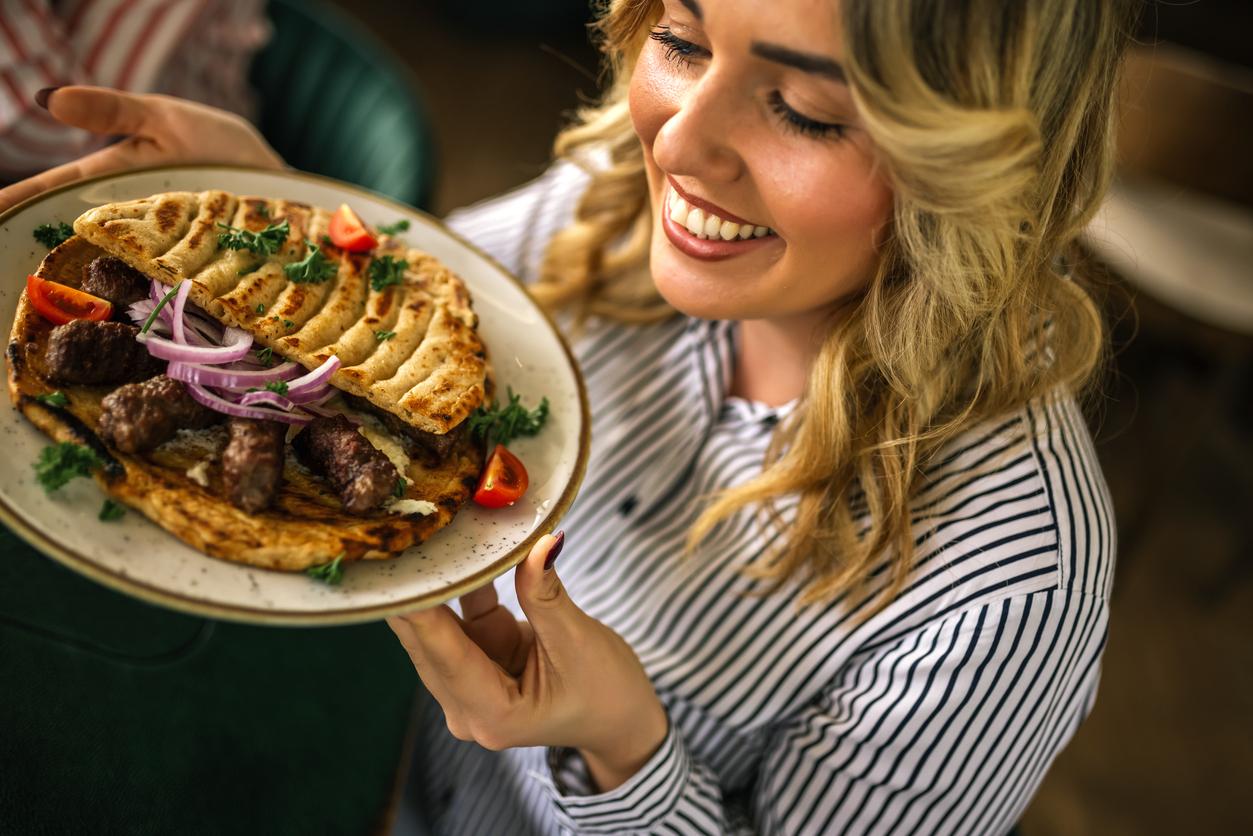
Picture this: after a long day, you finally sit down to enjoy a juicy meat dish, and just a few bites in, you find yourself wiping your forehead. It’s like someone turned up your body’s thermostat. Sound familiar?
The "meat sweat" phenomenon is real, even if it’s not in any medical textbook. While it might seem funny at first, Verywell Health explains why your body can heat up after eating. Let’s dive into what’s behind it and when it’s time to see a doctor.
Your Body’s Working Hard, and You’re Heating Up
Think of your body as a finely tuned machine. When you eat a big meal—especially one rich in meat—your "machine" kicks into high gear. Digestion is serious work: your body breaks down every bite, processes it, and absorbs the nutrients.
This process generates heat, which can raise your body temperature. That’s why after a hearty meat lunch, it might feel like something’s warming you up from the inside out.

Not All Foods Put the Same Load on Digestion
Interestingly, it’s not just the calorie count that determines how hard your body works. Different nutrients require different amounts of energy to break down.
Here’s a rough "heat production" ranking:
- Fats: barely any extra work—0-3% extra energy.
- Carbs: moderate effort, 5-10%.
- Proteins: the heavy lifters—20-30%.
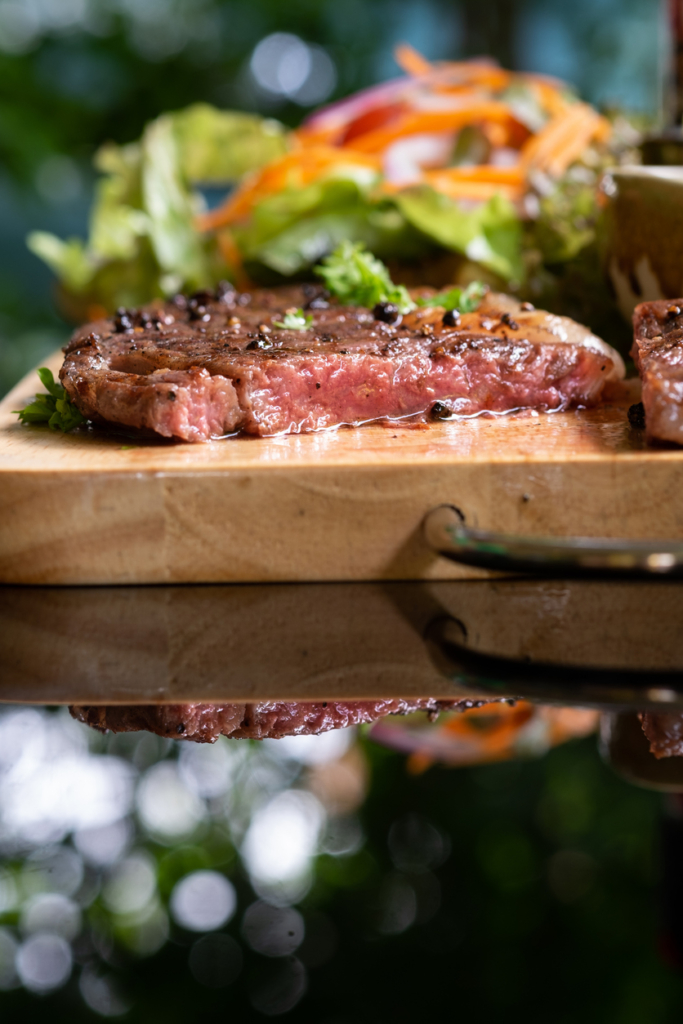
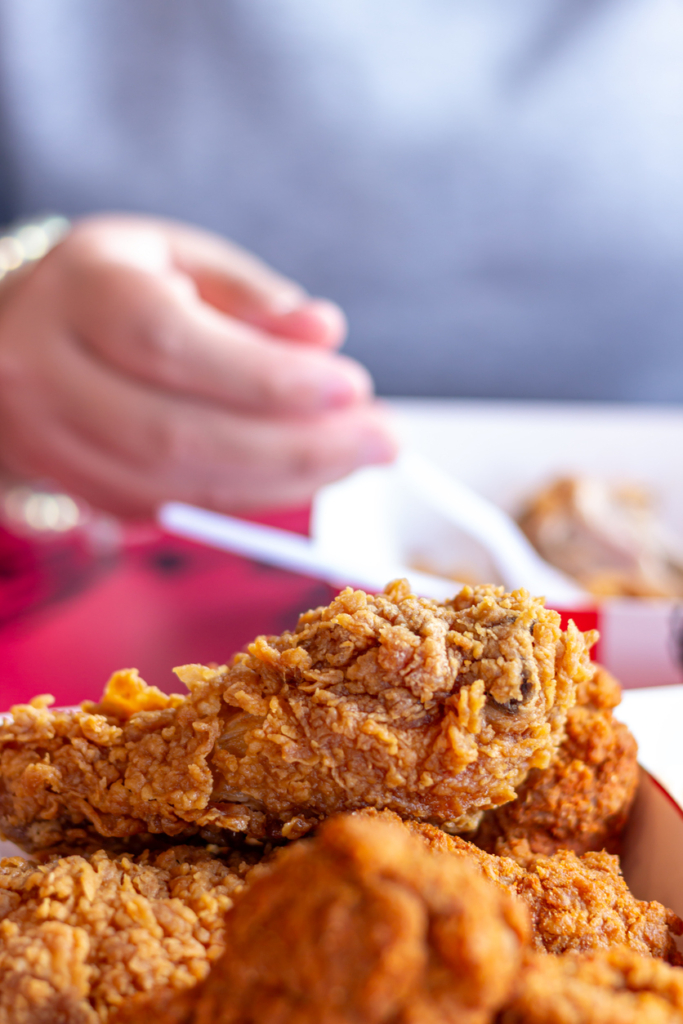
Meat is a protein powerhouse. Especially if you’re eating a big portion of chicken, beef, or lamb, your body can spend a lot of energy digesting it, naturally producing heat.
That’s why you might feel warmer after a big steak than after a bowl of pasta.
Your Metabolism Is Unique, Just Like Everyone Else’s
You’ve probably noticed some friends always feel warm and keep shedding layers, while others are constantly chilly. That’s no accident.
Our metabolism is personal and influenced by factors like age, muscle mass, activity level, genetics, and body fat percentage.
Research shows that post-meal body temperature rises more in people who are:
- younger,
- more active,
- have less body fat.
On the flip side, those who are older, carry more body fat, or are less active tend to heat up less after eating.
The Type of Meat on Your Plate Matters
It’s not just about eating meat—it’s about which meat. Some studies suggest chicken and lamb have a particularly strong "thermogenic" effect, meaning they can raise your body temperature more significantly in the two hours after eating.
But there’s more. These factors can also play a role in how warm you feel:
- Spices: spicy flavors can stimulate your nervous system, triggering sweat.
- Food temperature: eating hot dishes naturally warms you from the outside.
- Raw vs. cooked: surprisingly, raw foods sometimes require more energy to digest, which can also raise body temperature.
Together, these explain why some meat dishes make you sweat more than others.
Sometimes Health Issues Can Be Behind It
Most of the time, this sweating is harmless, but it’s important to remember that some health conditions can cause increased sweating during or after meals.
The most common is gustatory hyperhidrosis, often triggered by spicy foods and sometimes running in families. It’s not dangerous but can be uncomfortable.
If your sweating feels unusually intense, comes on suddenly, or happens with other symptoms, definitely check in with your doctor.
You’re Not Alone in the "Meat Sweat" Club
Sometimes it might feel like a mini sauna moved into your body after a big meal—and that’s totally normal. Your body is working hard to process protein-rich foods, and sometimes that means noticeable sweating. But if you find the sweating too frequent, intense, or uncomfortable, it’s worth exploring the reasons behind it.