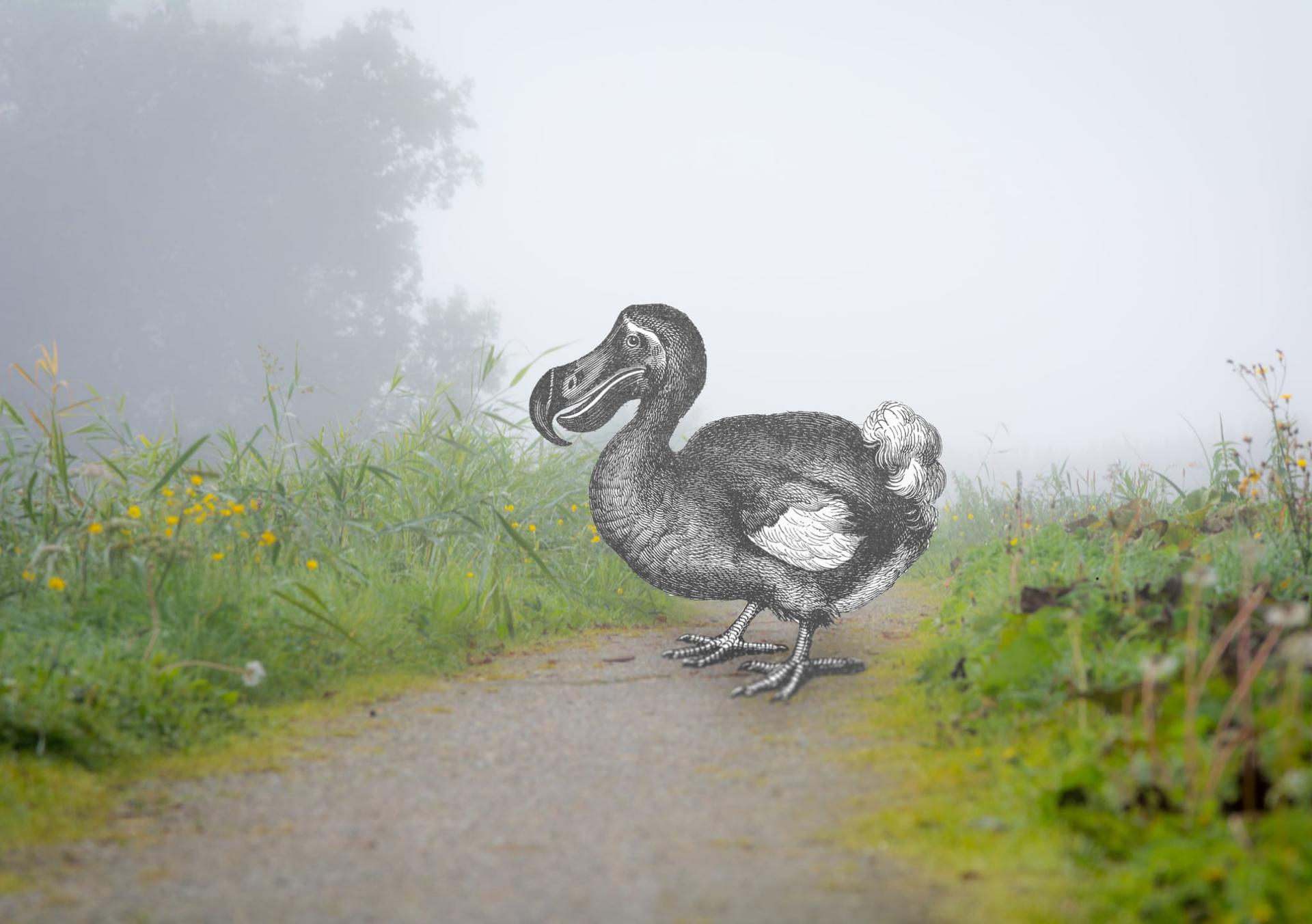
Nature writes a relentless story where countless animal species have vanished forever. Over the past century, more than 400 vertebrate species have disappeared—a staggering number. Causes range from ecological changes to human impact. Yet some creatures, with their unique looks and traits, seem almost mythical, though they truly existed. Let’s meet five extraordinary species whose stories remind us just how fragile our world is.
A Zebra-Horse Mix: The Quagga
The quagga, a fascinating blend between zebra and horse, roamed South Africa’s plains until the 1880s. Its unique partial stripes, only on the front half, made it stand out beautifully among zebras. Sadly, human activity—especially hunting for its rare hide and meat—led to its extinction. The last known quagga died in 1883 at Amsterdam Zoo, becoming a poignant symbol of biodiversity loss.
The Gentle Giant of the Seas: Steller’s Sea Cow
Steller’s sea cow was a massive herbivore living in the cold, harsh waters from Alaska to the Bering Sea. Growing about 27-30 feet (8-9 meters) long—nearly twice the size of today’s manatees and dugongs—it amazed 18th-century explorers. Named after Georg Wilhelm Steller, who discovered it in 1741 near the Bering Islands, this gentle giant vanished roughly 30 years later due to overhunting and fishing pressures. Its story reminds us how vulnerable marine life is to human exploitation.
The Flying Giant: Moa Bird
The moa was a giant flightless bird that once roamed New Zealand’s lush landscapes. Some species reached up to 11.5 feet (3.5 meters) tall and weighed over 440 pounds (200 kg). Before the arrival of the Maori, moas thrived freely, but hunting and habitat loss led to their extinction by the 15th century. Their disappearance reshaped New Zealand’s ecosystem, removing key plant-eating giants that balanced the forests. Their form and legends still captivate, while science continues uncovering their mysterious lives.
The Mysterious Armored Giant: Glyptodon
The Glyptodon was a huge armored mammal roaming South America’s pampas around 2 million years ago. Comparable in size to modern cars, it measured up to 10 feet (3 meters) long and weighed about 3,300 pounds (1.5 tons). Its thick shell and bristly tail offered strong defense against predators. Yet, a mix of human hunting and climate change at the end of the Ice Age led to its extinction. Today, only fossils tell the tale of this remarkable creature’s reign.
The Titan Wolf: Dire Wolf
The dire wolf was North America’s iconic predator during the Pleistocene epoch. Larger and stronger than today’s gray wolves, it relied on advanced hunting skills to thrive. It disappeared about 10,000 years ago, challenged by climate shifts and rapidly changing ecosystems. Fossils, especially those from the La Brea Tar Pits, offer insights into its life and symbolize the vulnerability of species facing a transforming world.