As a teacher who was once a child myself, I know teachers often have to keep certain thoughts and ideas to themselves to maintain professional etiquette and job security. But the online world lets them share their well-meaning advice and insights—if nowhere else, then on the popular "adult forum," Reddit.
“Read Your Child a Bedtime Story!”
Back in 2012, I wrote my thesis on the sociology of reading, and even then it was clear how drastically young people’s lives are affected by the decline in reading and the rise of digital media. It’s no surprise that one of the top tips from teachers is to read to your kids. I’d add that studies show it’s especially important for children to see their parents—especially moms—reading.
Many parents underestimate the power of reading at home, but it’s one of the most valuable things you can do to support your child’s growth and academic success. Reading doesn’t just boost cognitive skills; it helps kids understand the world, develop empathy, and grow emotional intelligence. When you read bedtime stories, you’re not just entertaining—they’re building a lifelong love of learning.
Yet today, teachers often see children’s reading levels falling far below expectations (not to mention other difficulties), which suggests they aren’t getting enough encouragement or role models at home. Instilling a love of reading is a lifelong gift you can give your child!
“Learn to Say No!”
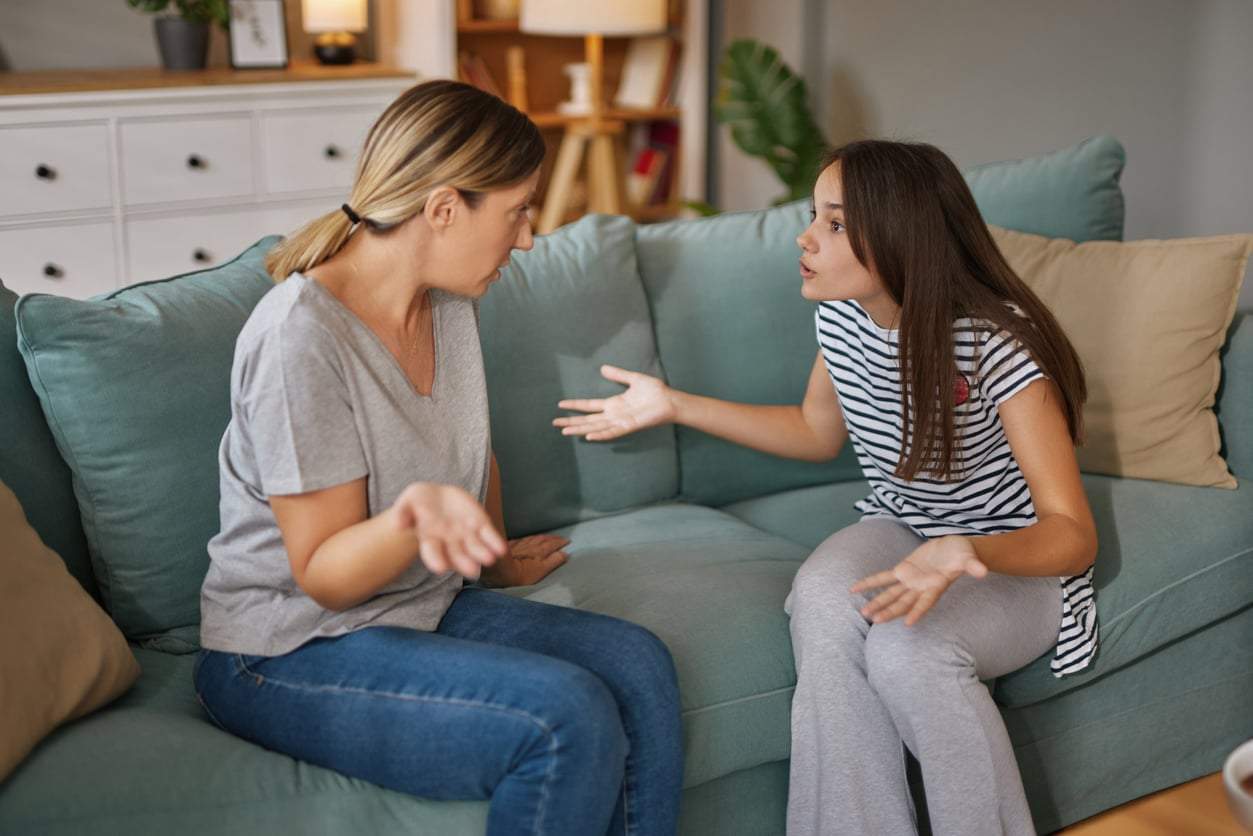
One of the biggest challenges for parents is setting boundaries in their children’s lives. Many grew up under strict rules and want to break free from that pattern but don’t know how—so they swing too far the other way.
Teachers regularly meet students who don’t know how to handle limits because they never experienced them at home.
Or if limits were set, there were no real consequences—the follow-through was missing. If parents don’t learn to say no firmly sometimes, kids struggle to accept that life has rules that must be followed.
This doesn’t mean you have to be harsh or unkind, but you do teach responsibility and respect for rules. Kids need to learn they can’t always get what they want. This doesn’t hurt them—in fact, it helps them grow into balanced adults.
“You’re the Parent—You Have to Make the Tough Calls.”
Parenting isn’t easy, and you’ll often have to make decisions your kids won’t like. But that’s your responsibility—not theirs—and passing it on creates inner conflict. Teachers often see situations where parents let kids decide to avoid conflict.
As a parent, you need to lead and not shift decisions onto your child. That doesn’t mean you can’t ask their opinion on things that affect them! But remember, kids don’t yet have the insight or experience to make responsible choices. You set bedtime, control screen time, and manage other important routines. If you don’t take on these roles, your kids will struggle to make good decisions later (and the road there will be bumpy).
“Raise Your Child to Be Independent and Responsible!”
Parenting is a long-term investment, and it’s not just about keeping your child happy all the time. The goal is to help them grow into a confident, balanced adult who can handle life’s challenges. That means teaching basics early on: how to be polite, empathetic, aware of others’ feelings, and responsible for their actions—skills that come easier to some than others.
As a parent, you’re not raising a baby, but a future adult: you’re not just playing with a doll, you’re shaping a person. If you don’t teach good behavior early, it gets much harder later. Think about it: tantrums, childhood, adolescence, then adulthood. Kids grow fast and learn fast, and what they learn now stays with them. Politeness, responsibility, and tolerance are values to teach early because they’re much harder and costlier to develop later.
“Laziness Starts at Home.”
Many confuse laziness with burnout or lack of motivation, but laziness often traces back to home life. Teachers say kids learn laziness at home if they don’t see good examples or clear expectations.
A good example is overweight, still often blamed on genetics, even though studies show genetics only account for 5-10% of what we experience. The other 90-95% comes from our lifestyle.
Does your child avoid fruits and veggies? Check your own plate! Won’t exercise? How often do you work out each week? Doesn’t read or is lazy about studying? How motivated are you, and how often do you put your phone down for a book?
It can be tough to admit, but teachers say kids “learn laziness at home.” To change this, create an environment that encourages your child to be active and motivated. This doesn’t mean over-scheduling or signing them up for every class, but clear rules and expectations help them grow into successful, hardworking adults. Teaching that effort and work have value now sets them up to face challenges with resilience later.
Great teachers work every day to bring out the best in their students, but they need parents’ support too. Remember, parenting starts at home, and most teachers are happy to help, offer advice, and support you if you take on your part of the responsibility.