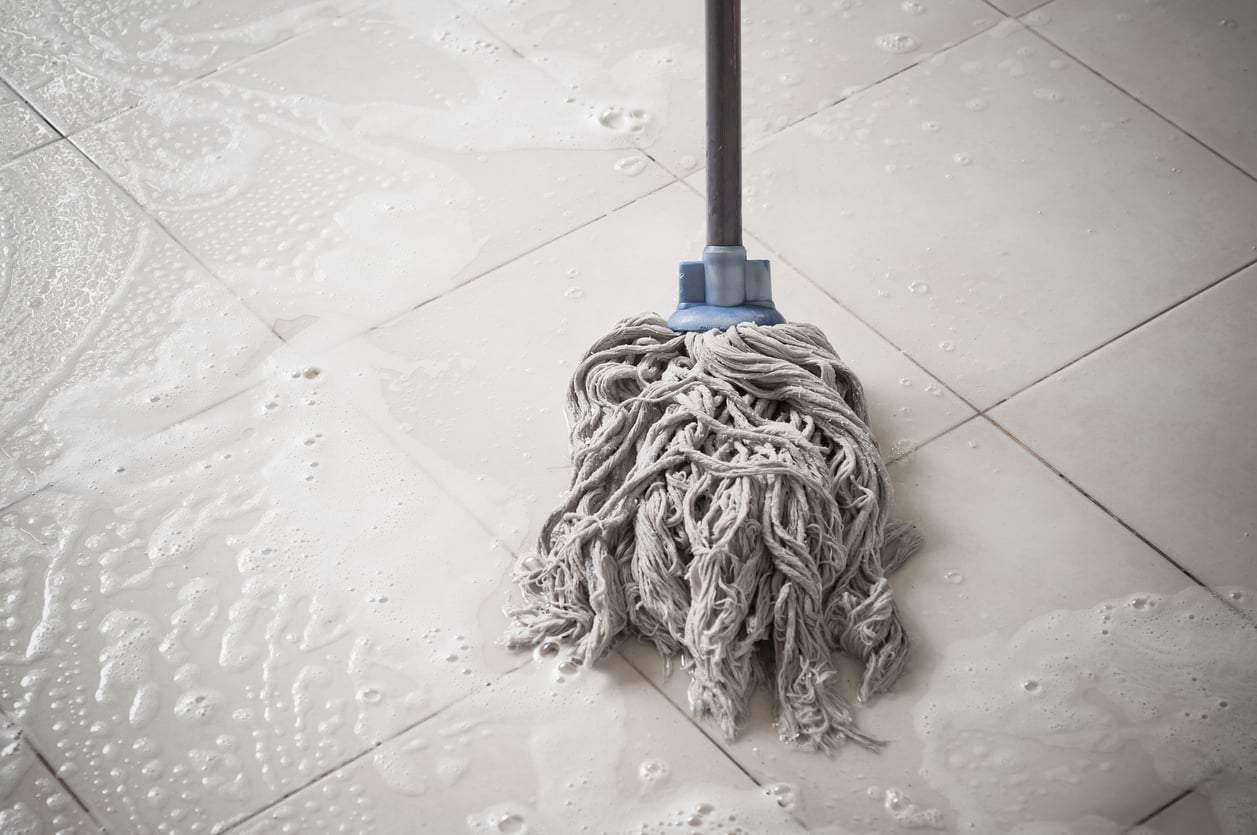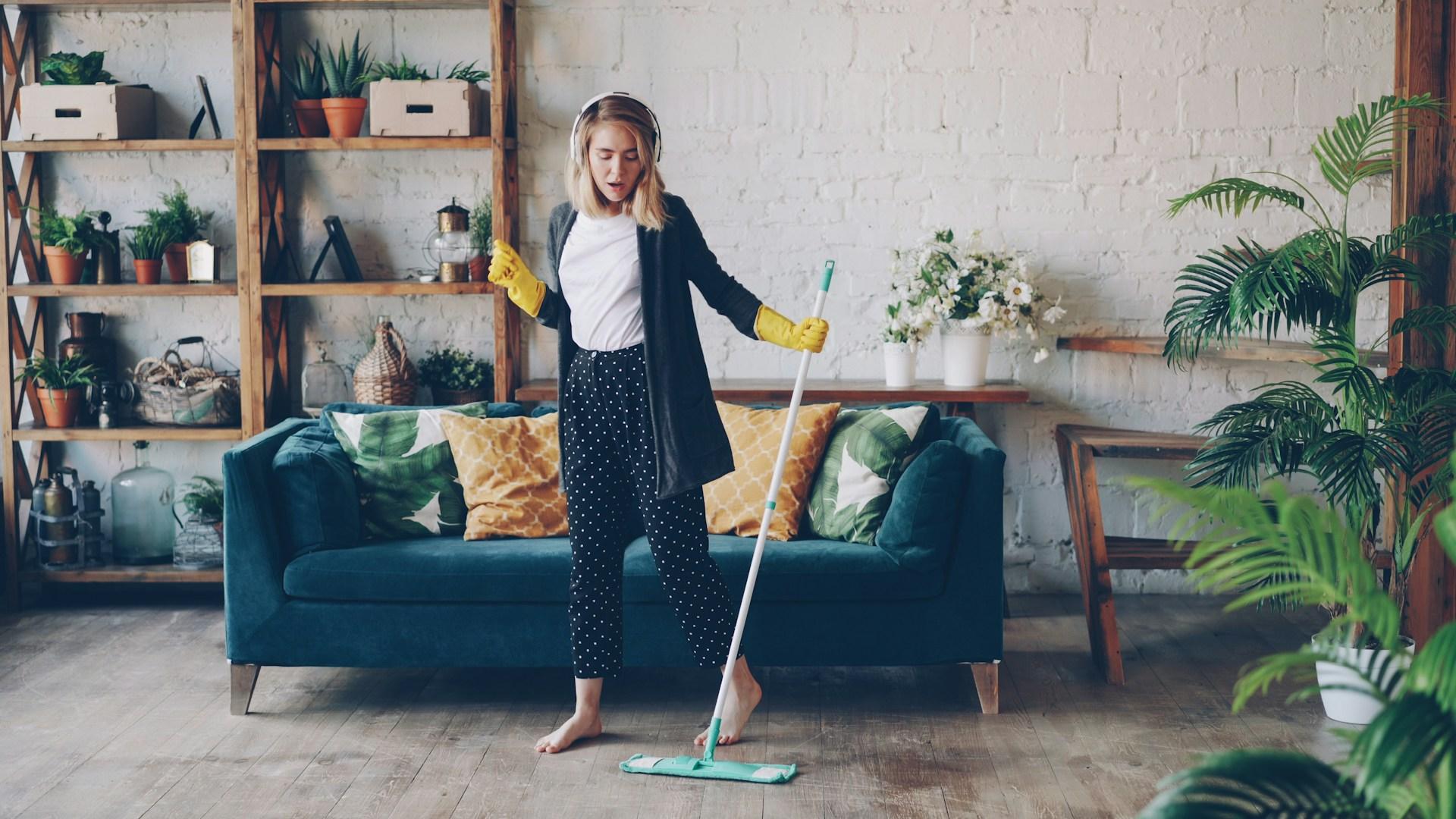
Regular mopping is a fundamental part of home cleaning, yet surprisingly many myths exist about what’s safe—and what’s not—to clean your floors with. Well-intentioned but poorly chosen “tips” can lead to dull surfaces, slippery floors, or even permanent damage over time.
Recently, Southern Living consulted several experts who agree that it’s not just what you add to mop water, but also what you leave out that matters. The following five substances often appear in households but are not recommended for regular floor cleaning.
1. Dish Soap – Too Much Foam, Poor Rinsing
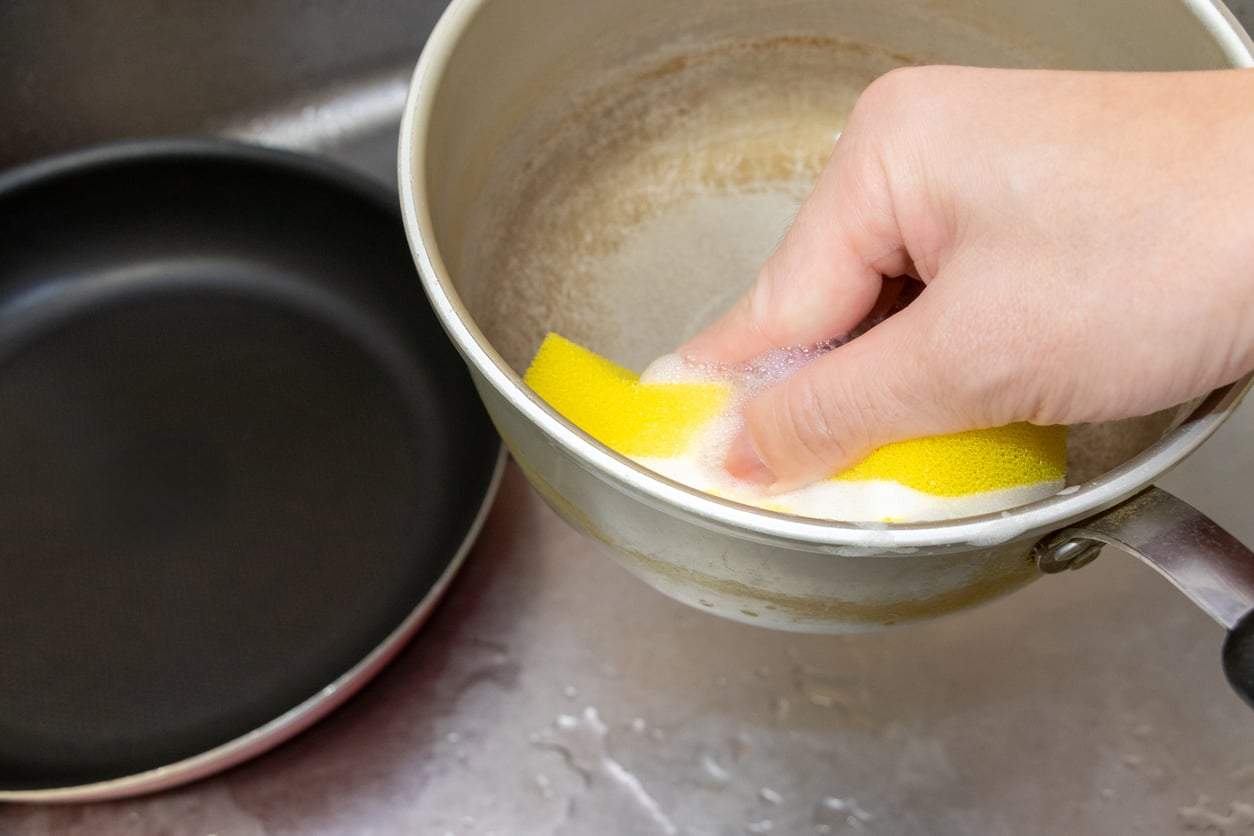
Many use dish soap as a universal cleaner, but it’s not ideal for floors. It’s designed to tackle greasy, food-based messes and creates a lot of foam.
This foam often doesn’t rinse away completely after mopping, leaving an invisible, slightly sticky film on the surface. This can make floors slippery and attract dust and dirt faster, making your floor look dirty again sooner.
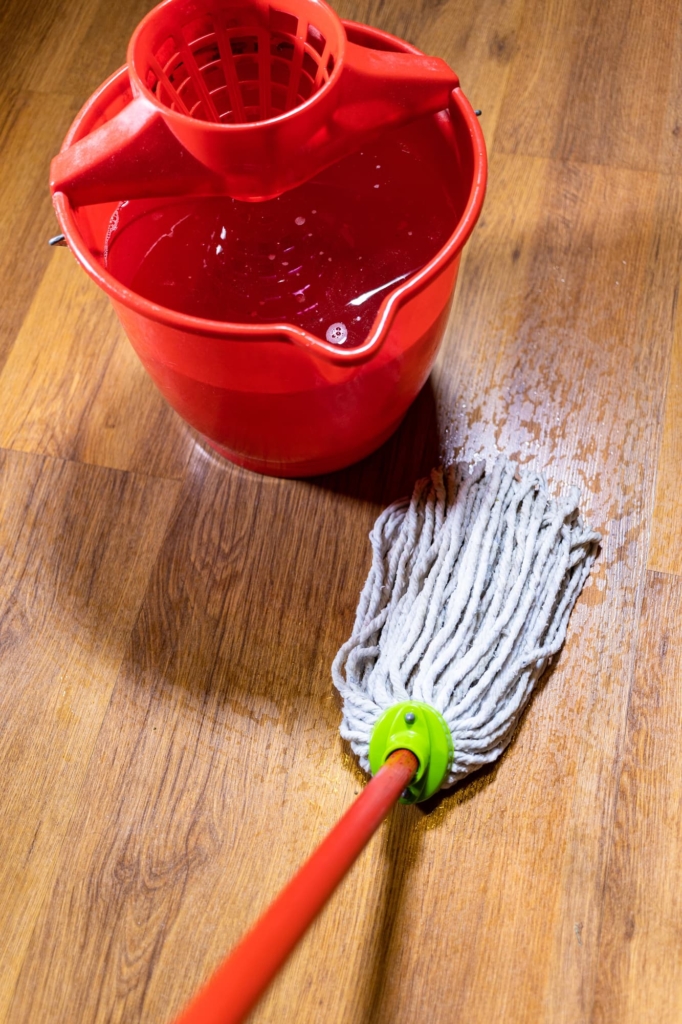
2. Too Much Cleaner – Overdoing It Is a Common Mistake
The “more is better” idea rarely works for floor cleaning. Using more cleaner than recommended can leave residues on your floor that:
- cause streaks or dullness,
- feel sticky to the touch,
- make some floor types slippery.
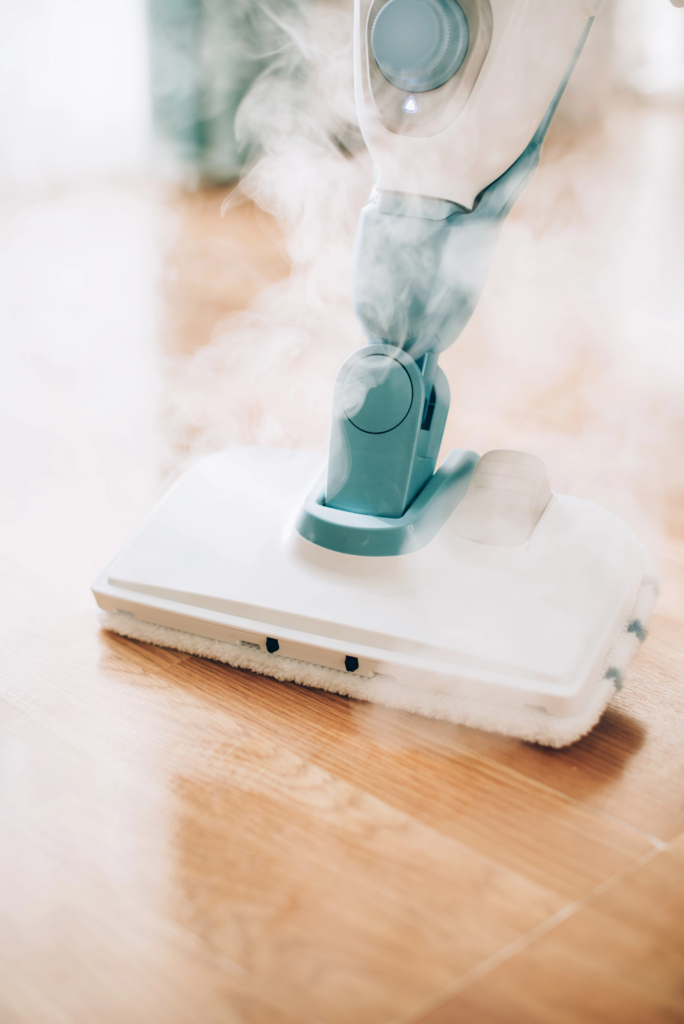
With steam mops, following the manufacturer’s instructions is especially important. These devices rely on heat and steam to clean, and many models advise against adding chemicals, which can damage both the machine and your floor’s finish.
3. Bleach – Especially When Mixed with Other Cleaners
Bleach is known for its strong disinfecting power but isn’t always necessary for floor cleaning. Regular use can:
- fade your floor’s color,
- weaken grout,
- damage protective layers or varnish.
It’s crucial never to mix bleach with other cleaners. Combining it with ammonia or acidic products can create harmful gases.
Experts agree that disinfection has its place, but everyday mopping usually doesn’t require such strong chemicals.
4. Essential Oils – Nice Scent but Not Cleaners
Natural essential oils are appealing to many, but their cleaning effect on floors is minimal or none. Adding them to mop water can:
- create a thin, slippery film,
- trap dust and dirt,
- clog spray mop nozzles.
While the scent can be refreshing, these oils leave an unnecessary layer that can harm your floor’s condition over time.
5. Vinegar – Not a Universal Solution
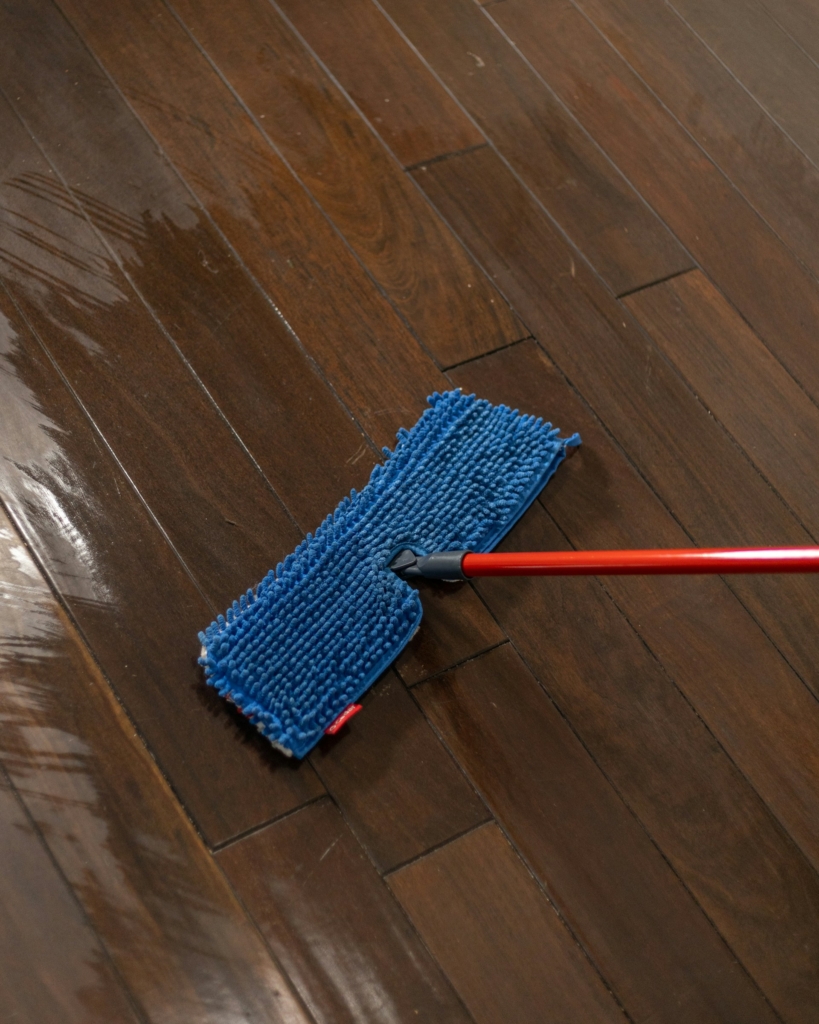
Vinegar is a popular natural cleaner in many homes, but its acidic nature isn’t suitable for all floor types. It’s especially best to avoid on:
- wood and laminate floors,
- marble and granite,
- limestone and other natural stones.
Regular use of vinegar can cloud the surface, damage protective layers, and some floor manufacturers may void warranties if vinegar cleaning is detected.
How to Mop Safely?
Experts agree the best results come from:
- always choosing cleaners suited to your floor type,
- following dosing instructions carefully,
- avoiding homemade mixtures and experiments,
- and remembering: regular, gentle cleaning beats occasional deep cleans every time.
Your floor is one of the biggest surfaces in your home—treat it well, and it will keep its beauty for years to come.