Life didn’t get easier all at once, nor was there a single big revelation that changed everything for me—it was more about quietly developing habits over the years that truly delivered on their promise. I’ve gathered a few of these life management solutions here—not because they’re universal fixes, but because they might offer you some guidance or inspiration.
Working from Home: Learning to Set Boundaries
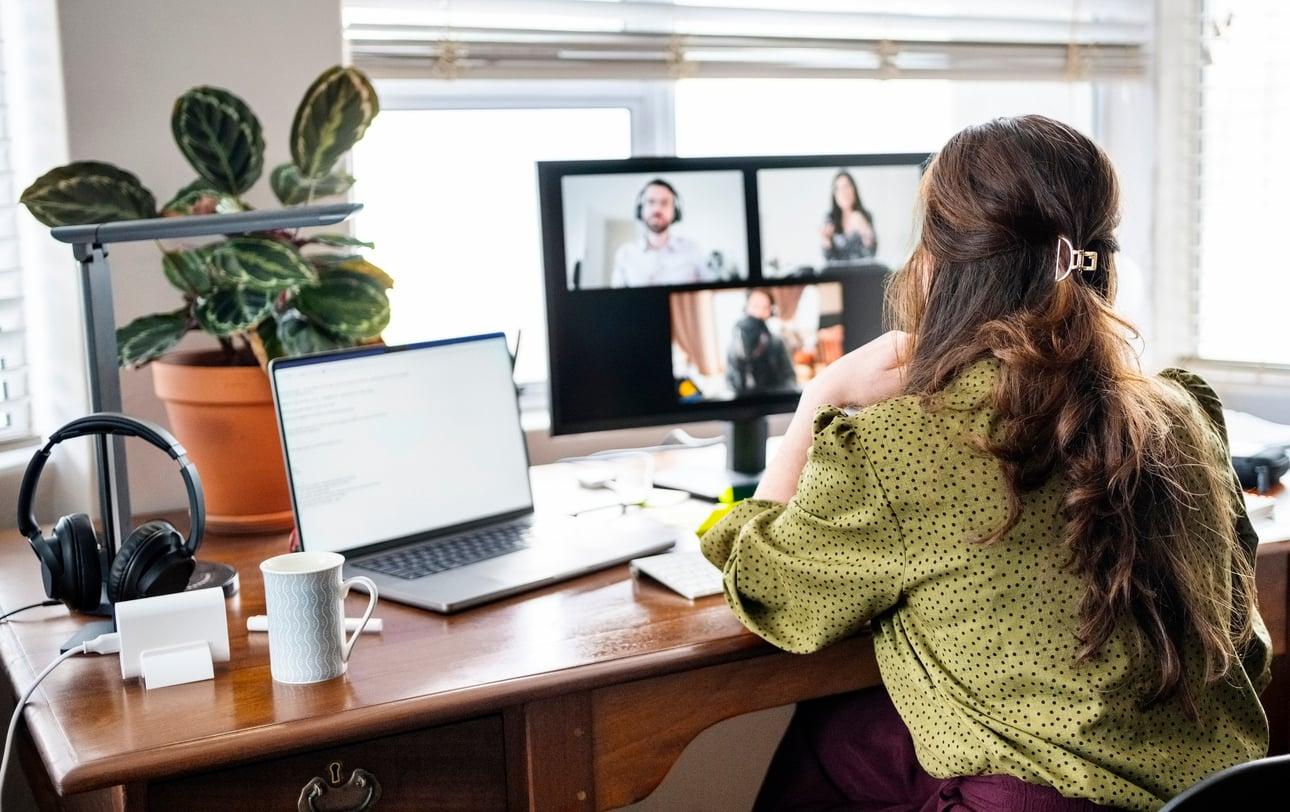
Working from home feels like freedom to many, but for me, it quickly became clear that it also requires serious self-discipline. I really realized this when a cousin told me they couldn’t work from home because they need the physical boundary of closing the office door to separate work and personal life. For me, it was actually the opposite.
Working from home gave me incredible flexibility, especially after our daughter was born. I’d sit down to work in the morning, but before that, I could start the laundry, hang clothes during breaks, run to the store, and cook lunch—so by the time the little one finished daycare or school, everything was ready at home for us to truly focus on each other.
Of course, that doesn’t mean everything runs smoothly on its own or that there aren’t bumps along the way. I had to learn when I’m actually working and when to take intentional breaks—even if I could easily keep going for hours. Plus, the freedom of home office always depends on the type of work, and the uncertainties of entrepreneurship show up here too. Still, this framework gave me the flexibility that made our days feel much less rushed overall.
When Less Really Is More
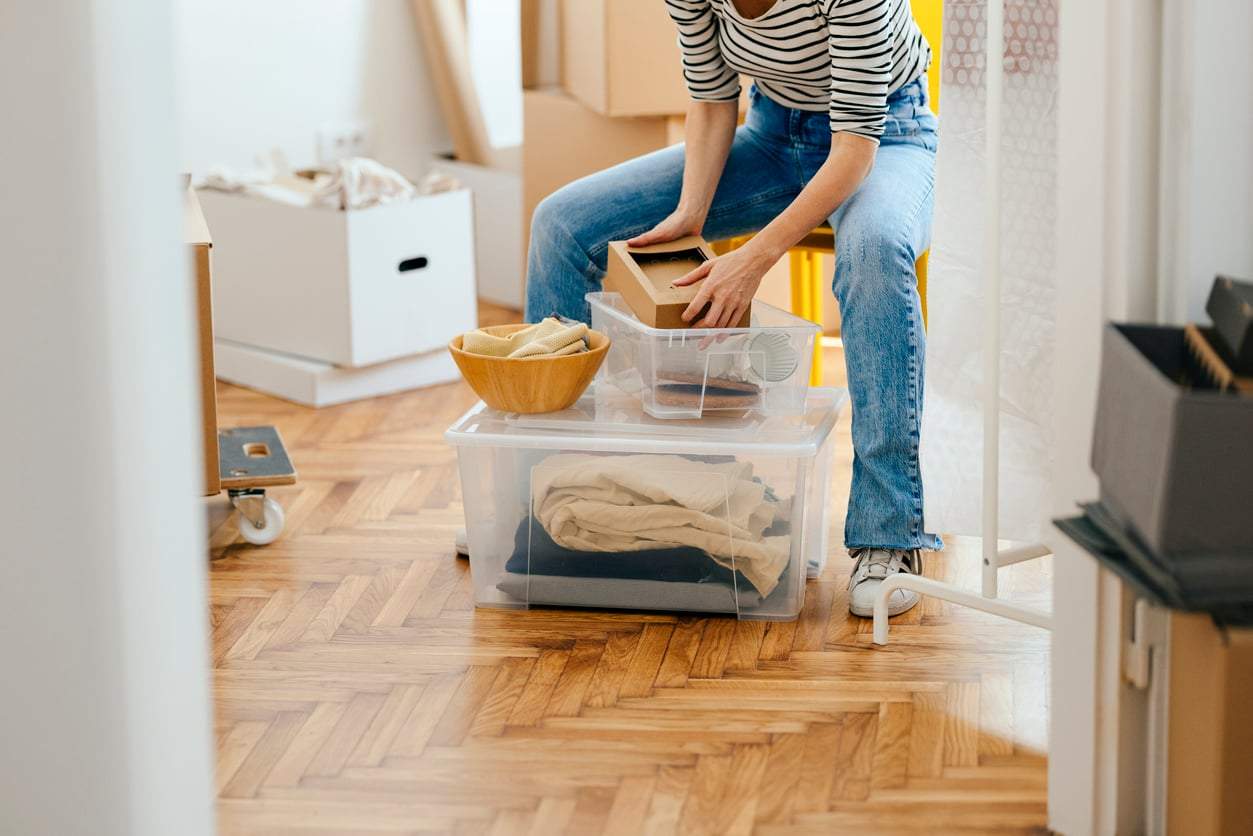
We’re not ascetics, nor do we aim to create an empty hermit’s cave, but over time it became clear to all of us that having lots of stuff doesn’t bring freedom—it actually feels like a burden. The more things you have, the more time you spend tidying, searching, and cleaning.
We decorated our home in a minimalist-modern style, and although I regularly declutter, we actually have fewer items than storage space. It’s not about denying yourself, but about mindfulness and intention: we only buy what we truly need or what genuinely brings us joy. A nice bonus is saving money, cutting down on impulse buys, and finding it easier to say yes to experiences. And it’s just great to come home and see order—it feels like there’s more space not just in our house, but in our minds too.
Goodbye, Weekend Deep Cleaning
Many try to catch up on everything during the weekend, and for some, planning ahead is a must. That’s when the big grocery shopping, laundry, and deep cleaning happen—often ending in exhaustion. What worked for me was never trying to do everything all at once.
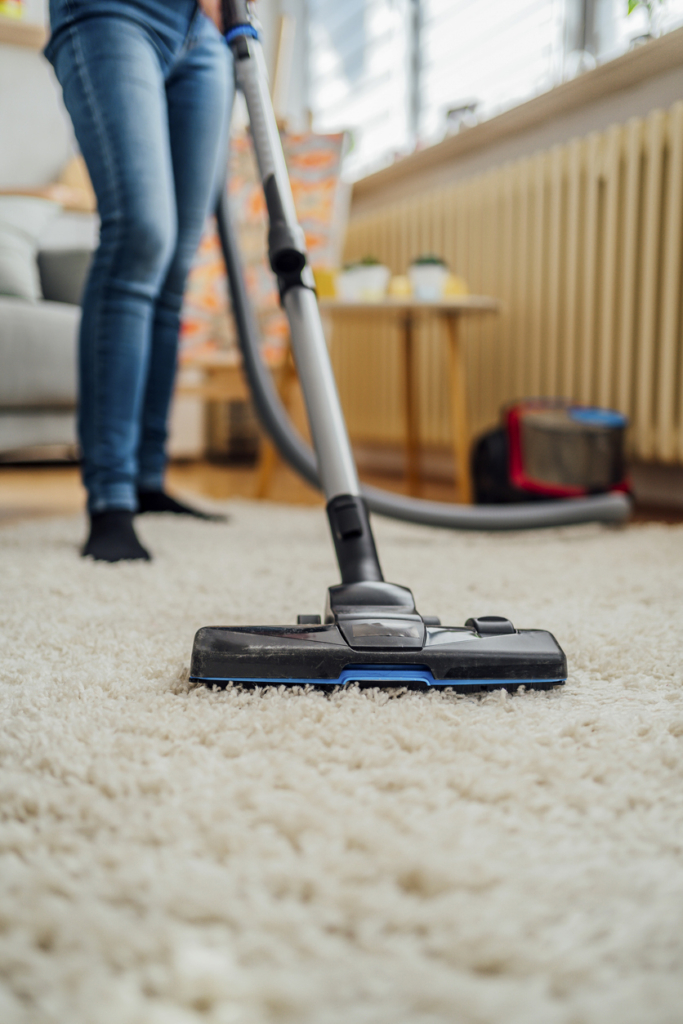
Maintaining order takes much less energy than fixing total chaos. So beyond daily basics (like laundry, dishes, cooking, a quick vacuum), I break bigger cleaning tasks into zones. But these zones don’t mean dedicating a whole day to the living room or bathroom—I think smaller: one day the bookshelf, another day organizing papers, and another day a thorough clean of a room. It might take weeks to get through everything, but I never feel overwhelmed by mess or so drained I can’t move.
Learning to Rest—Without Guilt
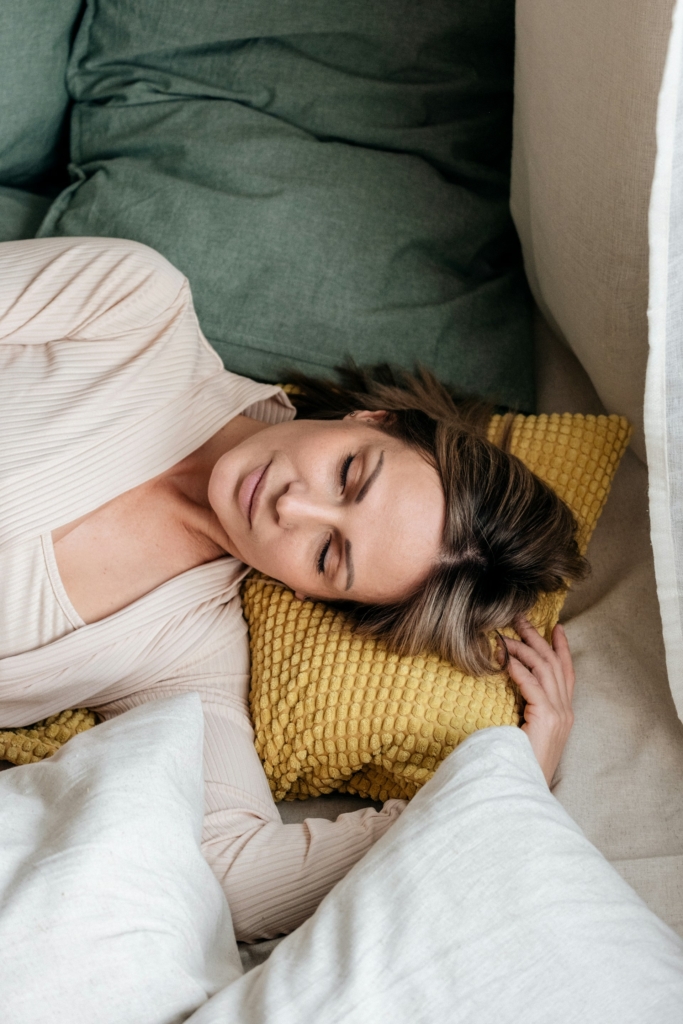
In a culture that rewards work and busyness, rest often feels like laziness. In the past, when I sat on the couch knowing I could still work—and I always can—I’d hear an inner voice saying, “You could be using your time better.” I lived like that for a long time, but after a lot of self-work, I learned to relax.
I realized rest isn’t a reward—it’s a basic need I don’t have to earn every day.
Since I’ve made room for doing nothing in my schedule, my life feels much more balanced. Though I still sometimes think, “I shouldn’t be resting right now,” that feeling is much rarer, and I enjoy my everyday life more.
Investing in the Future—And Our Own Peace of Mind
As parents, it’s tempting to solve everything quickly for our kids because it feels more efficient. Plus, I see that we’re trying to make up for what we didn’t get growing up. But in the long run, this actually drains a lot of energy and isn’t beneficial for the kids either.
What really made our daily life easier over the past decade was letting our daughter try, make mistakes, and learn. At first, this meant more mess, cleaning, and patience, but in return, we taught her the processes needed to manage everyday life. Now we prepare much less for her, and she’s more confident—plus, we’ve gained valuable time every day.
These life hacks don’t work the same way every day for us: sometimes we slip back into old habits or just don’t feel like being mindful. But overall, they provide a foundation that’s always good to return to—and maybe that’s why they’ve become a lasting part of our lives.