We live in a world that never stops moving — and for a long time, neither did I. Not because anyone was chasing me, but because I had built an invisible wall of pressure around myself. A relentless need to perform, to produce, to tick things off a list that never seemed to get any shorter.
Over the past few years, this has become the quiet reality for so many of us: an endless loop of tasks, deadlines, expectations, and self-imposed obligations. As if happiness were waiting at the very bottom of the to-do list — if only we could get there.
The trap of the never-ending to-do list
Most mornings, before I've even had coffee, my mind is already running through everything that needs to happen that day. Work emails, groceries, exercise, appointments, errands. And by evening, if I haven't crossed off every single item, there's a quiet but persistent feeling of failure.
What surprised me was how far this mindset had crept into my downtime. Catching up with friends, reading on the sofa, taking a walk — even in those moments, my thoughts were still spinning. "What do I need to finish tomorrow? Did I forget something?" The mental noise rarely stopped.
The art of rest — and why it feels so hard
Even when we consciously try to slow down, the environment we live in pushes back hard. Social media, constant notifications, the relentless stream of information from every direction — all of it quietly insists: keep moving, stay productive, do more.
And for those of us who care about living well, rest itself can start to feel like another performance — something we need to do correctly, efficiently, optimally. The result? Exhaustion, a low hum of tension, and the nagging suspicion that everyone else has it figured out except us. They don't.
Small shifts that actually made a difference
There have been moments, though, where I've managed to break the cycle. Not through grand lifestyle overhauls, but through small, deliberate choices that slowly changed my internal rhythm.
Here's what has genuinely helped me:
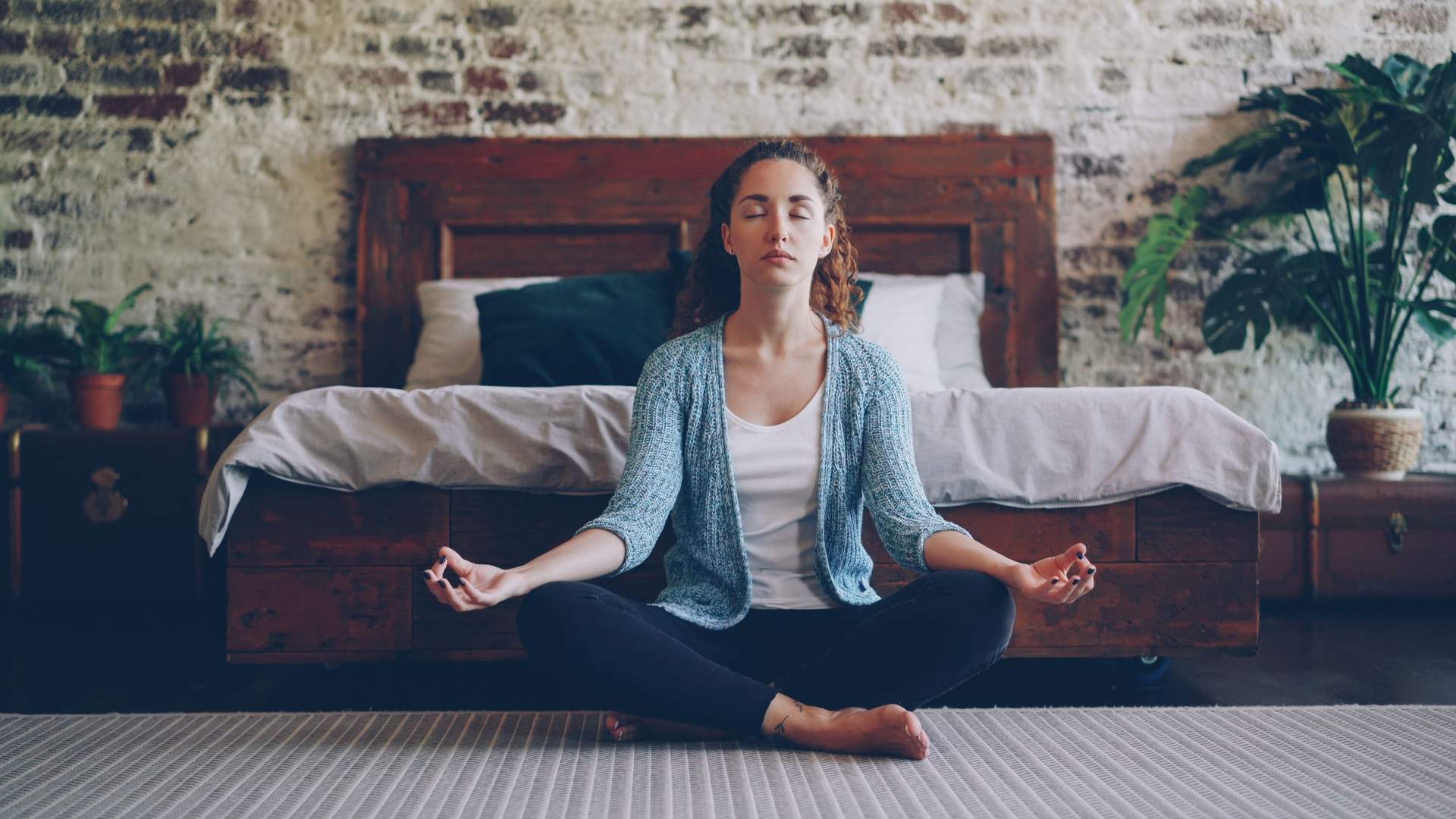
- Each day, I set aside a few minutes to move my body with full attention — no multitasking, no mental planning, just the movement itself.
- I try to treat meals as actual experiences rather than background events. No emails during breakfast or dinner. Lunch doesn't always work out — but the bookends of the day usually do.
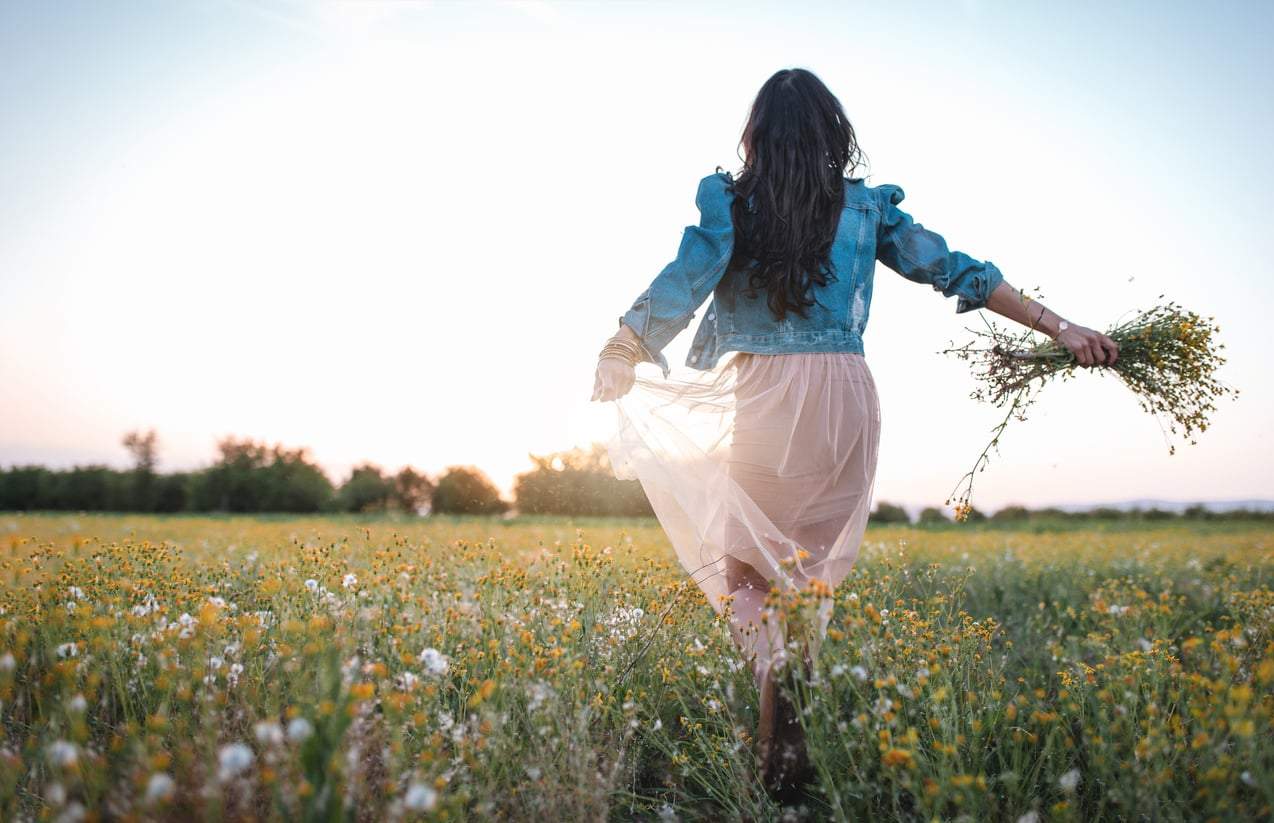
- When I walk, I leave my phone in my pocket. I look at the street, the trees, the sky. I listen to the city. It sounds simple, but it genuinely resets something.
These aren't revolutionary habits. But they remind me, again and again, that it is possible to pause — even when the old "nothing can be left undone" mindset tries to pull me back.
What if we were actually allowed to breathe?
The more openly people talk about this constant rushing, the clearer it becomes: this isn't a personal failing. It's a widespread pattern.
The pressures of modern life — professional, social, cultural — create a weight that's genuinely difficult to lift through willpower alone.
What I wish for, more than anything, is a world where quiet moments don't come loaded with guilt. Where slowing down doesn't feel like falling behind. Where rest is simply what it's supposed to be: restoration.
Slowing down isn't a luxury — it's a basic need
Here's what I've had to learn the hard way: slowing down is not a reward you earn after finishing everything else. It's not an optional extra for when life finally calms down — because life doesn't calm down on its own.
Slowing down is survival. It's balance. It's the practice of staying sane. When I kept telling myself "just one more thing" or "I'll rest when this is done," my body eventually made the decision for me. That's a lesson I won't forget.
The path looks different for everyone. But the first step is always the same: noticing that you're rushing — and giving yourself permission to stop. Not just because you deserve it, but because it's something your mind and body fundamentally need. Even if it's easy to forget that.