You meet someone new, things feel different this time — and then, somehow, you end up in the exact same place you've been before. The same fights, the same distance, the same quiet heartbreak. It's not bad luck. More often than not, it's a pattern you're carrying with you. Here are six of the most common ones, and what they're quietly doing to your love life.
You're dating an idea, not a person
Most of us have a picture in our heads of the perfect partner. The problem starts when we hold real people up against that image — and feel let down the moment they don't match it. This habit of idealizing a potential partner sets relationships up to fail before they've even had a chance to begin.
Over time, this pattern doesn't just affect your dates. It quietly chips away at your self-worth too, leaving you wondering why no one ever quite measures up.
You keep things to yourself instead of saying them out loud
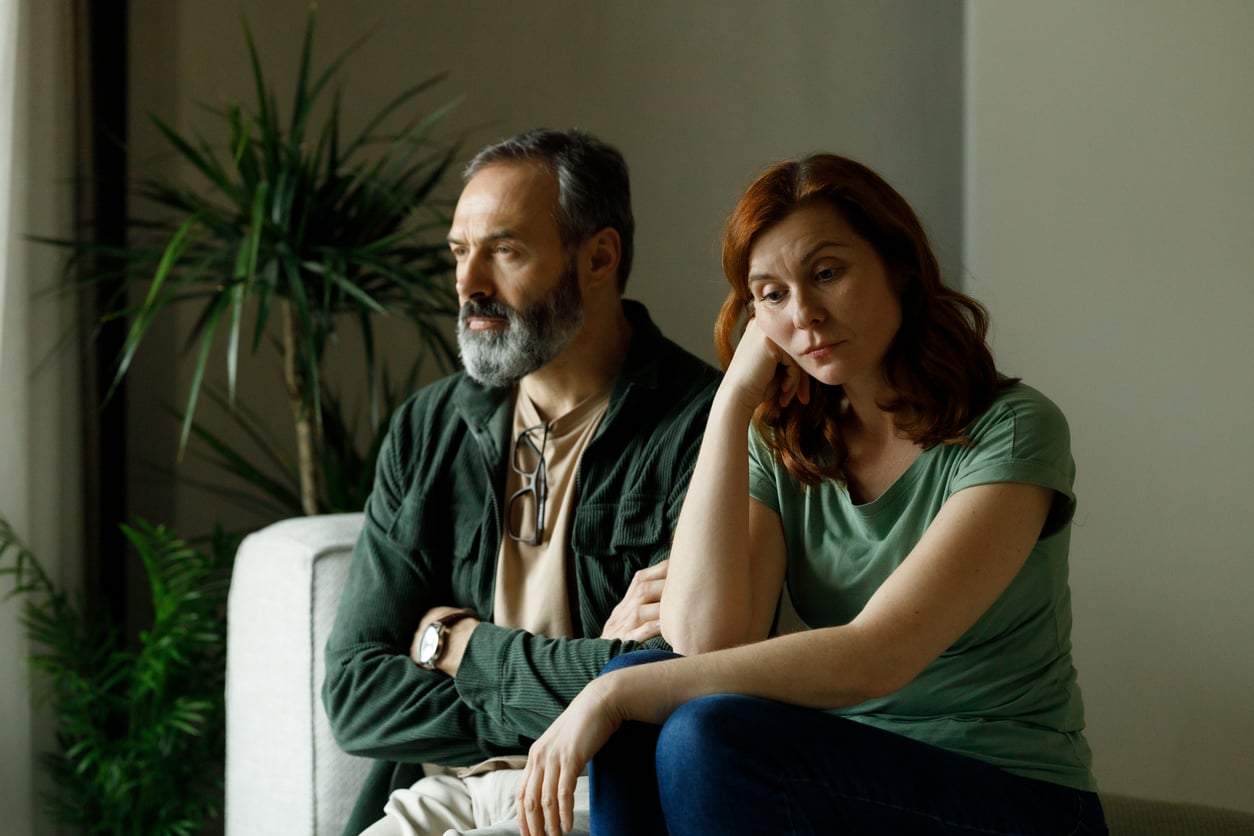
One of the most common reasons relationships stall or collapse is surprisingly simple: people don't say what they actually mean. When you hold back your feelings, needs, or concerns, misunderstandings fill the gap — and those misunderstandings tend to repeat themselves.
Without open communication, there's no real chance to work through problems together. The same tension resurfaces, just wearing a slightly different face each time.
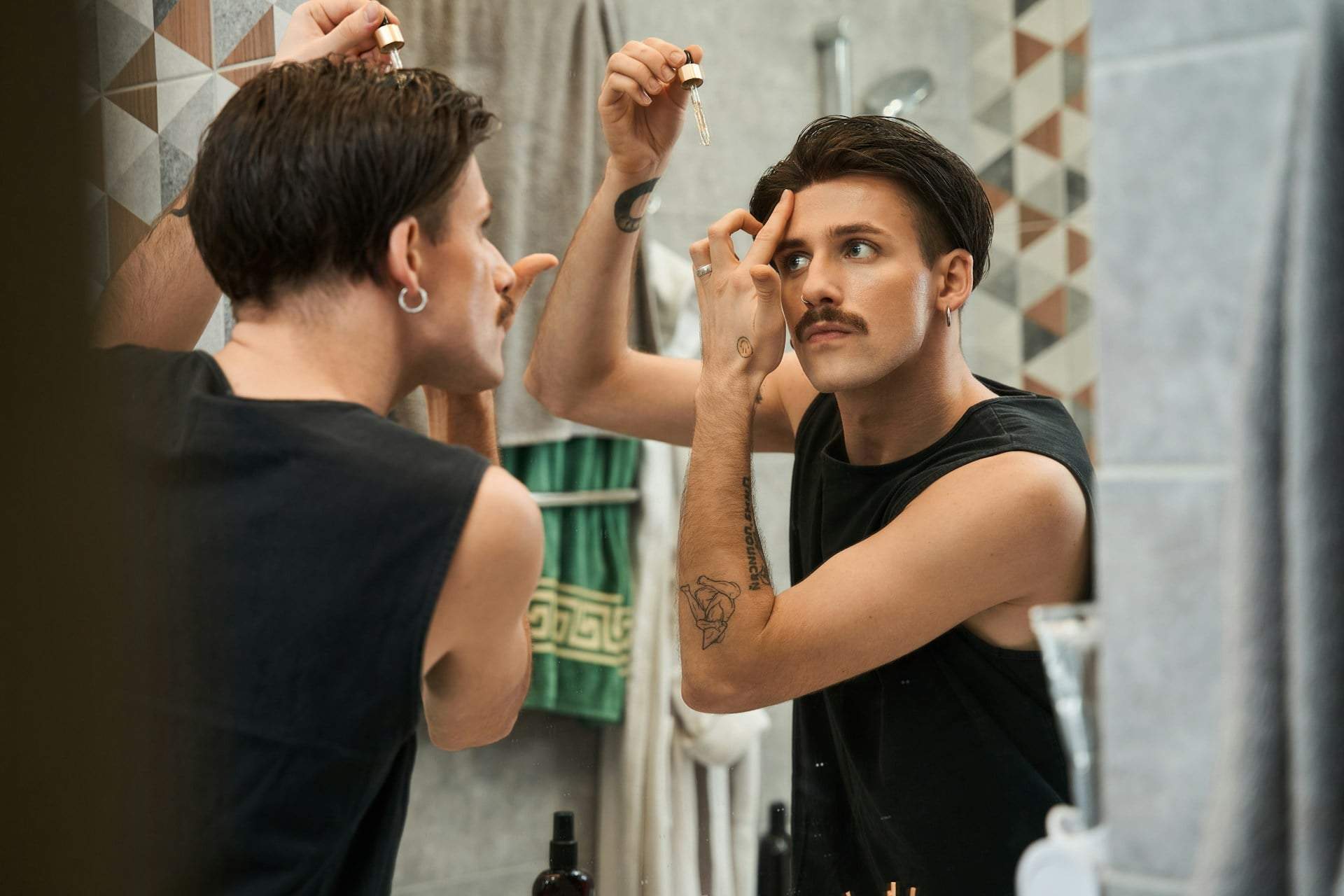
You look to your partner to feel good about yourself
Low self-confidence in relationships often shows up in a specific way: constantly needing reassurance from the other person. When your sense of worth depends on their approval, an unhealthy emotional dependency develops — and that dependency creates friction, resentment, and recurring conflict.
Building genuine confidence in yourself is one of the most powerful things you can do to break this cycle. It shifts the dynamic from needing someone to choosing them.
You stay because you're afraid of being alone
Fear of loneliness is incredibly common — and incredibly powerful. It can push you to make compromises you don't really believe in, or to hold on to a relationship long after it's stopped working. The painful irony is that staying out of fear often deepens the loneliness you were trying to escape in the first place.
Recognizing this fear is the first step. It doesn't mean you have to be alone — it means learning to sit with yourself comfortably enough that your choices come from desire, not desperation.
Old wounds you haven't dealt with
Past hurt has a way of showing up uninvited. Even when you think you've moved on, unresolved emotional pain from previous relationships tends to resurface — shaping how you react, what you expect, and what you're willing to accept.
These old wounds don't disappear just because you've pushed them aside. They quietly influence your behavior until you take the time to actually process them.
You keep choosing the same type of person
There's a reason the saying exists: we tend to be drawn to the same kinds of people, again and again. Sometimes this is a conscious preference. More often, it happens without us even noticing — until we look back and realize every relationship has followed a strikingly similar script.
This pattern is especially strong in people who resist change or feel uncomfortable with the unfamiliar. Recognizing your "type" — and asking yourself honestly whether it's been working — is where the shift begins.
Breaking these patterns isn't about being hard on yourself. It's about getting curious — about your habits, your fears, and the quiet assumptions you bring into every date. Real change starts with that kind of honest self-awareness.