Buying everything brand new feels like the default — but for many everyday items, it's simply not worth it. Whether you're trying to stretch your budget, reduce waste, or just shop smarter, going second-hand on certain purchases can save you a surprising amount of money without sacrificing quality. Here are six things you should seriously consider buying used.
Furniture: where vintage pays off
Second-hand furniture is one of the best deals you can find. Older pieces are often made from solid, high-quality materials that outlast much of what's sold in flat-pack stores today. A well-chosen vintage armchair or an antique coffee table doesn't just save you money — it gives your home a character that mass-produced furniture simply can't replicate.
When buying used furniture, always check the structural integrity first. Look for wobbles, cracks, or signs of damage that might be hard to fix. If the bones are good, a little cleaning or reupholstering can turn a thrift-store find into a centrepiece.
Books: culture at a fraction of the price
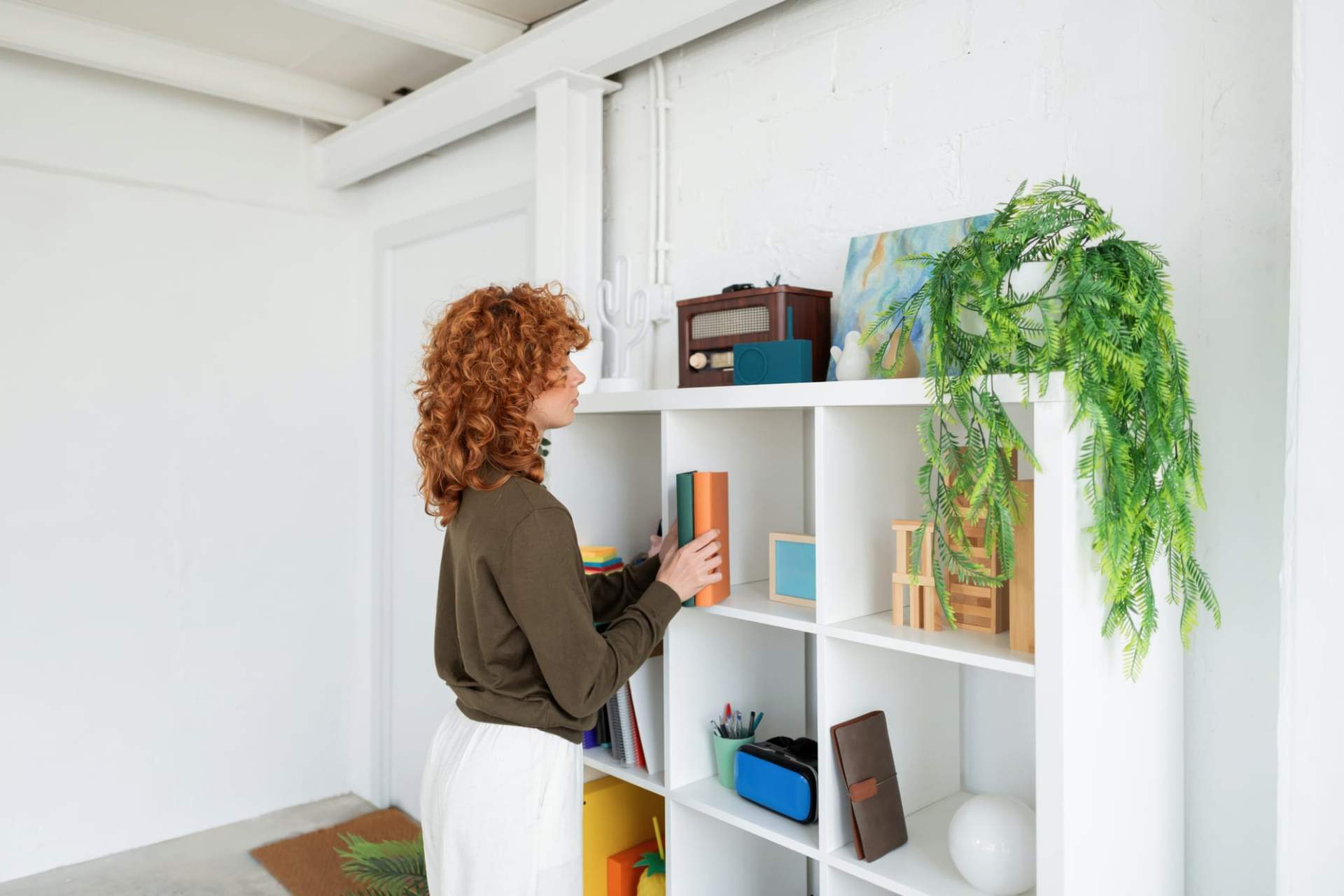
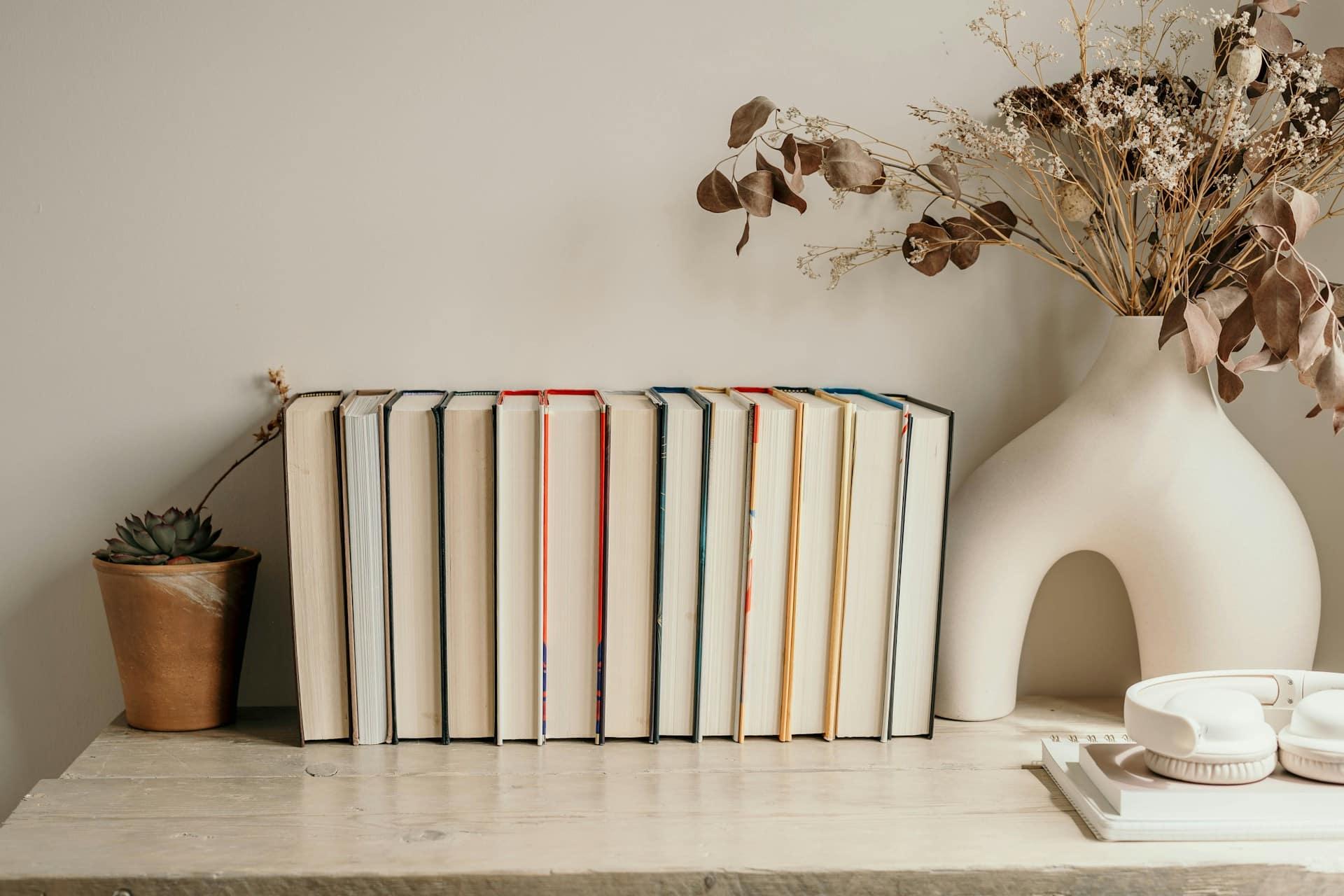
Books are one of the easiest things to buy second-hand — and one of the most rewarding. Secondhand bookshops and online marketplaces offer everything from classic literature to the latest bestsellers at a fraction of the cover price. There's also something genuinely satisfying about tracking down a long-wanted title in a dusty shop.
And once you've read it? Pass it on, donate it, or sell it again. Books are made to be shared, and buying them used keeps that cycle going beautifully.
Baby gear: smart savings for a costly season
Having a baby is one of life's greatest joys — and one of its most expensive seasons. Pushchairs, cots, bouncers, toys: the costs add up fast when everything is bought new. The good news is that babies outgrow things so quickly that most second-hand gear has barely been used.
That said, always inspect safety-critical items carefully. Check for recalls, look for any damage, and make sure car seats and cots meet current safety standards before buying. When in doubt, those are the items worth buying new — but everything else? Go used without hesitation.
Cars: beat depreciation at its own game
A new car loses a significant chunk of its value the moment it leaves the forecourt. Buying used means someone else has already absorbed that steep initial depreciation — and you get a perfectly functional vehicle for considerably less.
When buying a used car, always have it inspected by an independent mechanic before you commit. A professional check can reveal hidden issues and save you from costly surprises down the road. A little due diligence here goes a long way.
Clothing: find your style, skip fast fashion
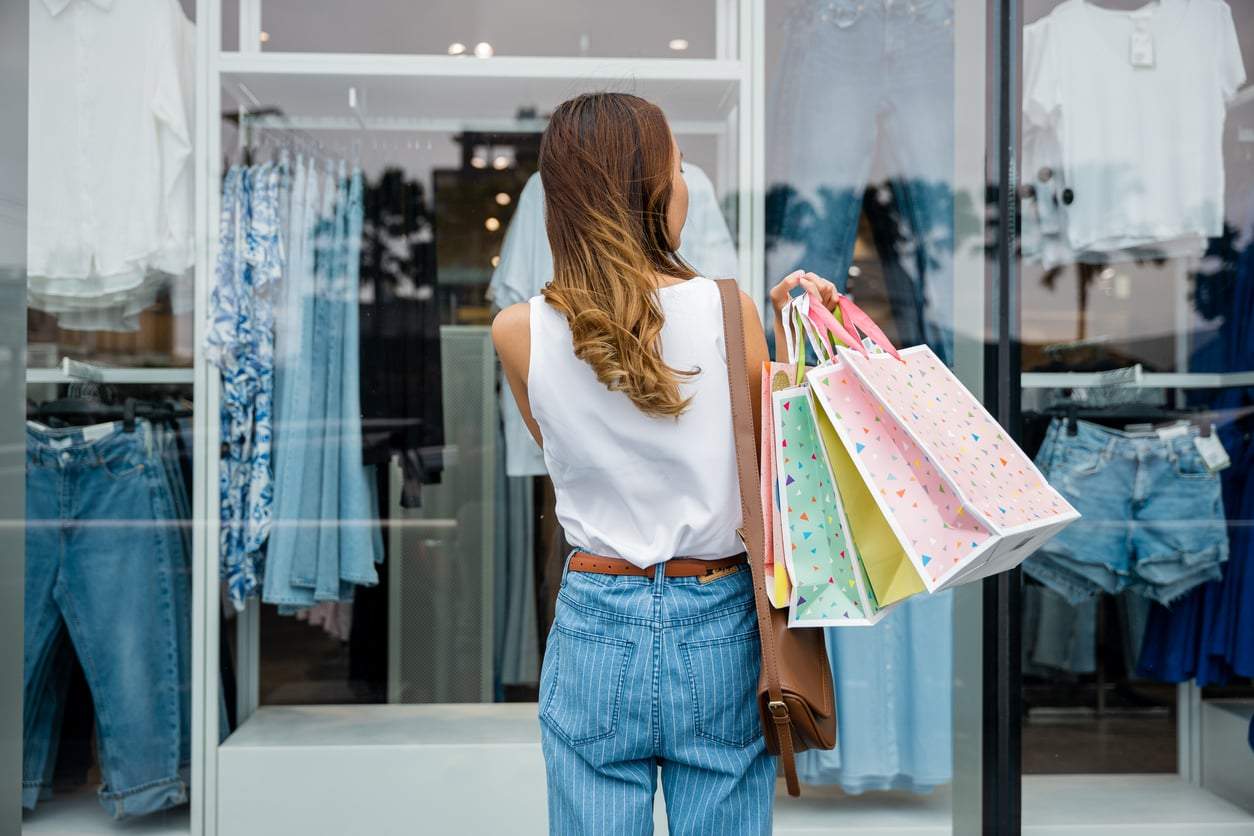
Fast fashion moves fast for a reason — and that reason isn't quality. Buying second-hand clothes is not only kinder to your wallet, it's a genuine way to develop a more individual style. Thrift shops and vintage markets are full of well-made, one-of-a-kind pieces that you simply won't find on the high street.
The thrill of finding a perfect coat or a designer piece at a fraction of its original price is real. Once you start thrifting, it's hard to go back to paying full price for something everyone else is wearing too.
Electronics: great tech at a smarter price
Phones, laptops, tablets — tech moves fast, and newer models hit shelves constantly. But that doesn't mean last year's model suddenly stopped working. Second-hand electronics can perform just as well as new ones, especially if they've been well looked after.
Before buying, check the battery health, test all the key functions, and look into whether any remaining warranty still applies. Certified refurbished devices from reputable sellers are an especially safe bet — often nearly indistinguishable from new, at a significantly lower price.
Buying second-hand isn't about settling for less. It's about spending smarter, living more sustainably, and sometimes finding something far better than anything on the shelves.