The Importance of a Healthy Menstrual Cycle
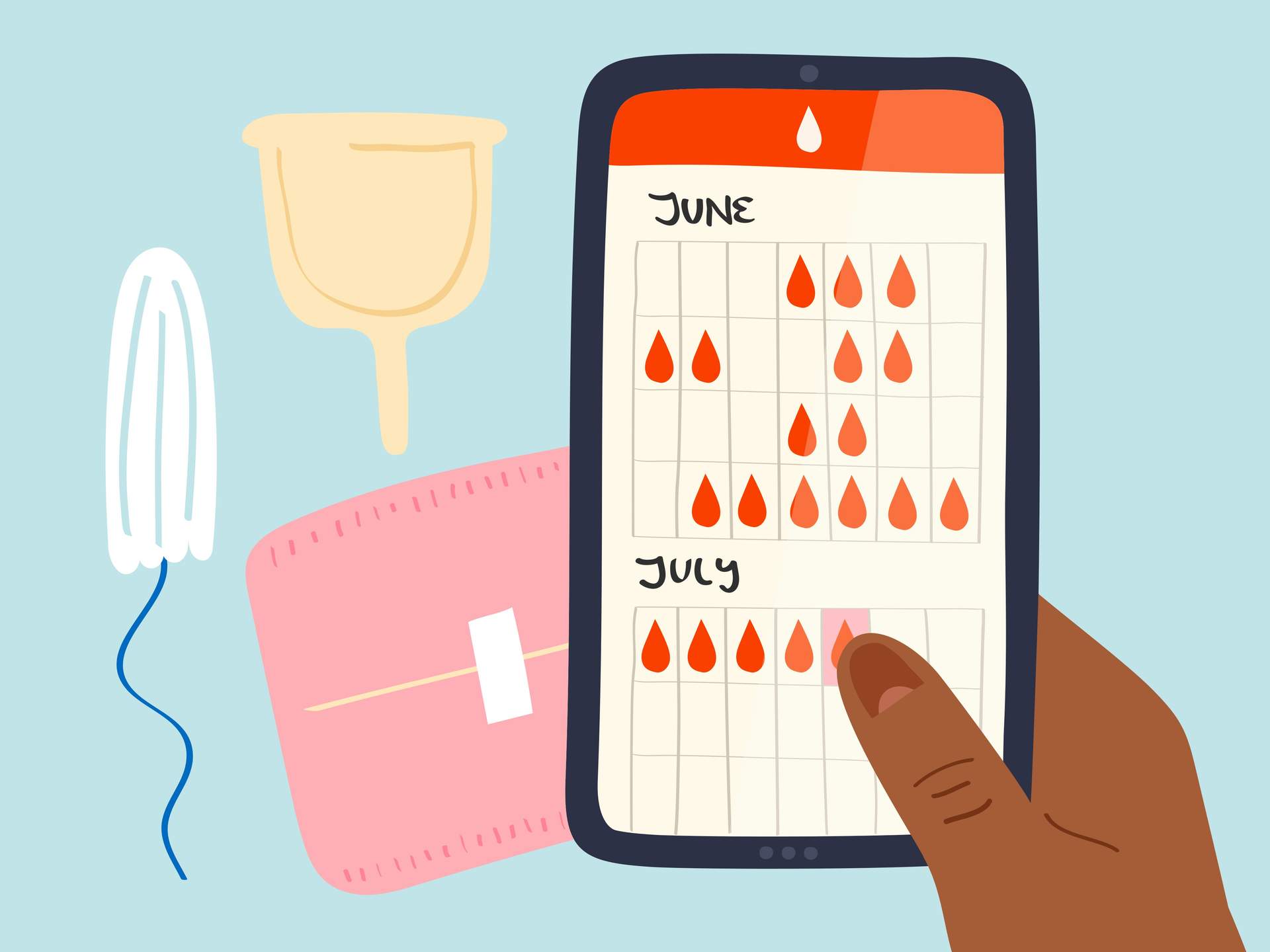
Your menstrual cycle is a natural part of life, yet it often brings daily challenges. That’s why it’s so important to take mindful steps toward a more balanced cycle. These six tips can help you get closer to that goal.
1. Supportive Nutrition
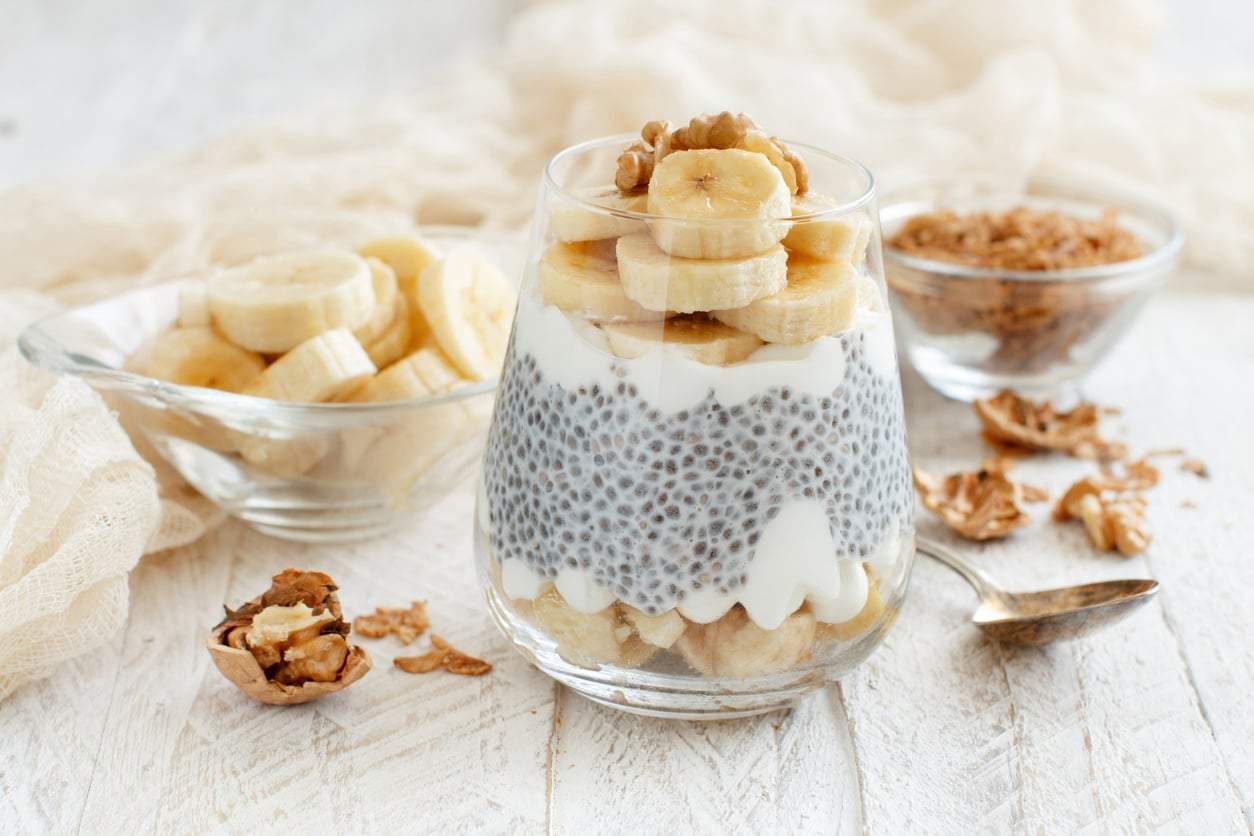
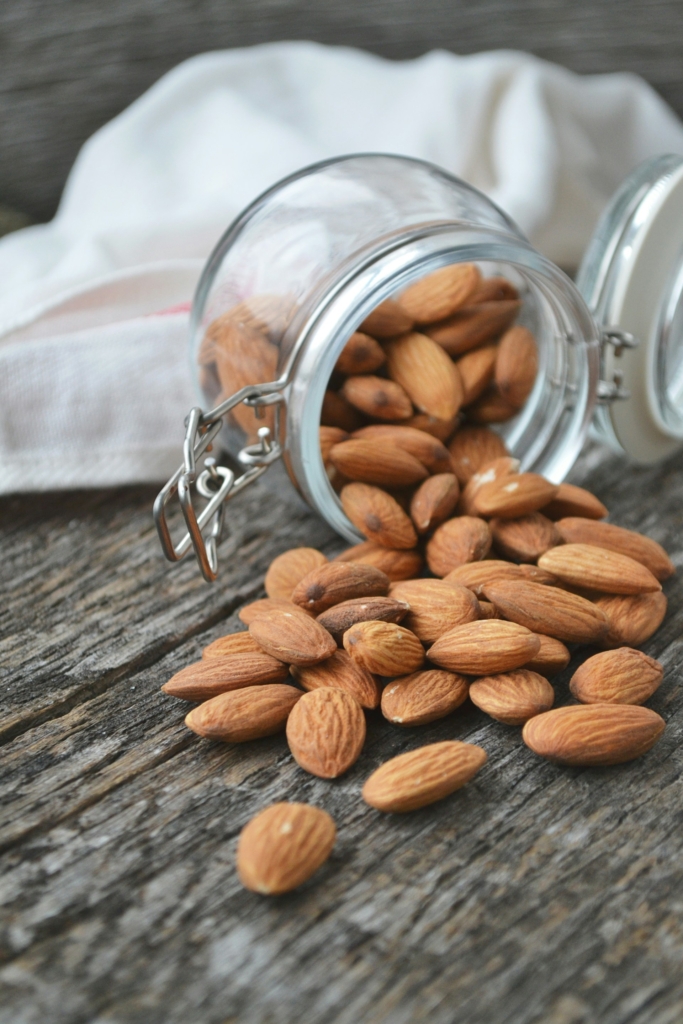
A well-balanced diet plays a big role in keeping your cycle regular. Focus on more fiber and omega-3 fatty acids, and try to cut back on sugar and refined carbs. Foods rich in magnesium and B vitamins—like spinach, almonds, and peas—can also support your hormonal balance.
Don’t forget the importance of iron-rich foods, especially during your period when you lose blood. Think red meats, eggs, and legumes.
2. Regular Exercise
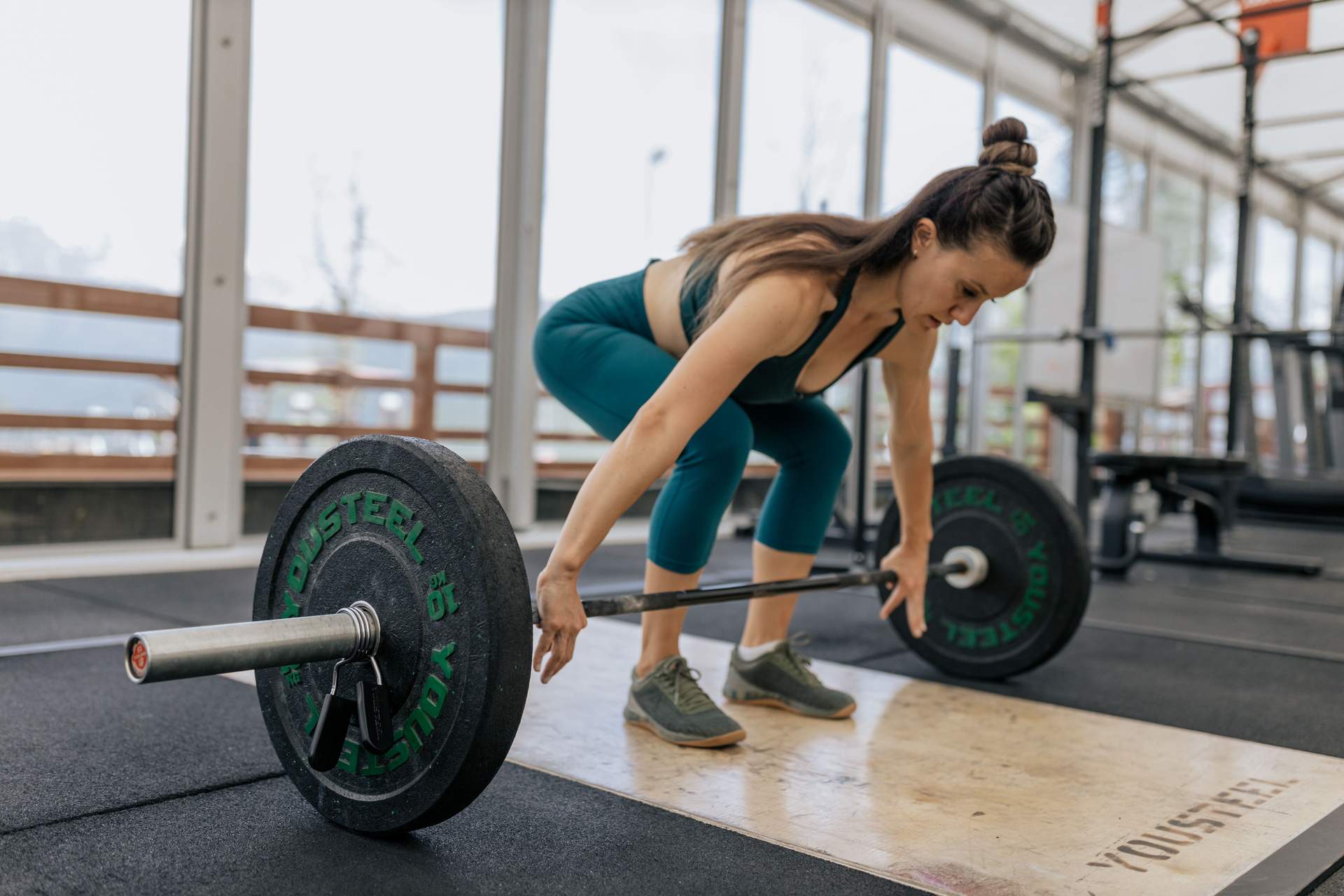
Exercise not only boosts your overall health but also positively impacts your menstrual cycle. Moving regularly can ease cramps and reduce stress. Whether it’s yoga, Pilates, or running, find the activity that feels right for you.
The release of endorphins lifts your mood and helps balance your hormones, supporting a more regular cycle.

3. Managing Stress Daily
Stress is known to disrupt your menstrual cycle, so finding ways to manage it is key. Try relaxation techniques like breathing exercises, meditation, or simply taking a few quiet minutes each day to unplug from the hustle.
To lower stress, consider spending time in nature or even journaling, which can help process your emotions.

4. Improving Sleep Quality
Good sleep is essential for healthy hormones. Aim for at least 7-8 hours of sleep each night, and keep a consistent bedtime routine.
Make your sleep environment cozy, quiet, and dark to encourage restful sleep.
Some studies suggest that boosting melatonin levels can benefit your cycle—just 10 minutes of natural sunlight daily can help.

5. Staying Properly Hydrated
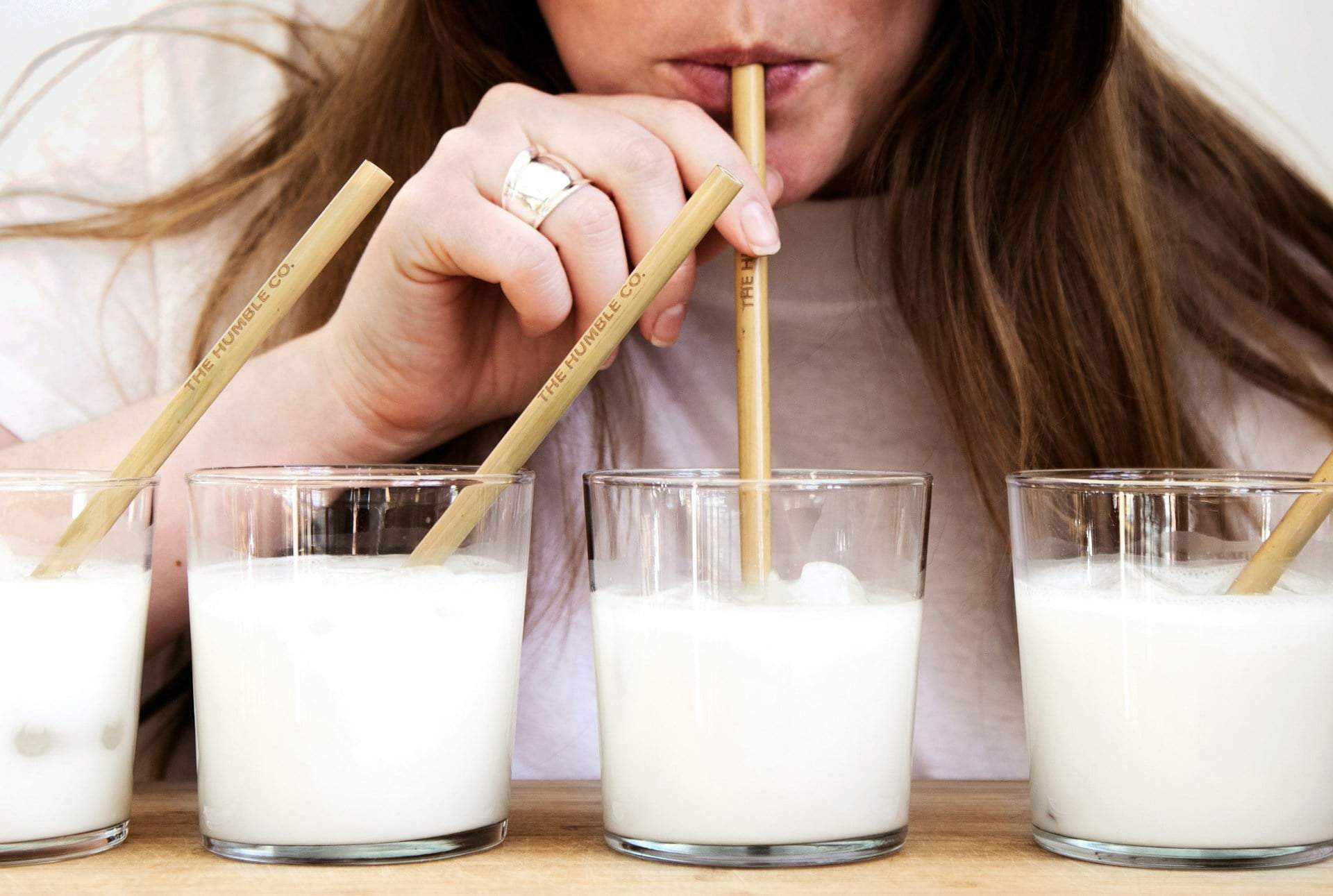
Drinking enough water is a simple but often overlooked part of a healthy lifestyle. Staying hydrated can ease bloating and cramps during your period, and it also helps your skin look its best.
Try to drink at least 1.5 to 2 liters of water daily, and cut back on caffeine, which can make menstrual symptoms worse.

6. Natural Supplements
Some women find natural supplements helpful for easing menstrual discomfort. Options like chasteberry, cinnamon, or fennel may support hormonal balance. But always check with your doctor or pharmacist before adding supplements to your routine to ensure safe use.
Remember, supplements don’t replace good nutrition and a healthy lifestyle—they simply support them.
Listen to Your Body
It’s important to recognize that every woman’s cycle is unique. What works for one person might not work for another. The key is tuning into your own body and its signals. If you notice extreme symptoms or your cycle becomes very irregular, be sure to consult your doctor.
Following these tips can bring you closer to a more harmonious menstrual cycle, supporting both your physical and emotional well-being.