Let’s dive into the signs so you can spot when your hair is sending out an SOS.
1. Hair Loss
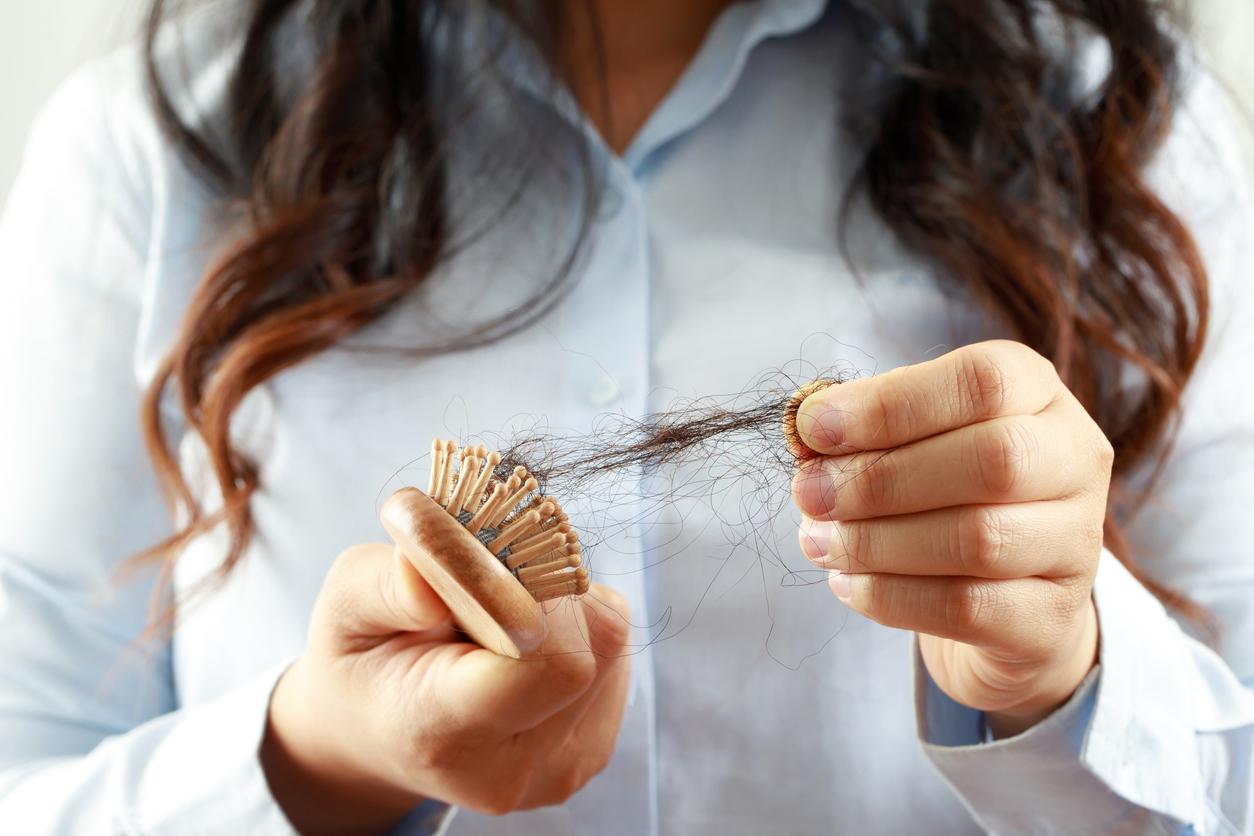
Nothing feels more alarming than seeing more hair than usual on your brush or in the shower drain. Hair loss is one of the clearest stress signals, medically known as telogen effluvium. Studies show that high stress levels can disrupt your hair’s natural cycle, pushing more strands into the shedding phase than normal.
If you don’t act early, this issue can get worse.
2. Dry Hair
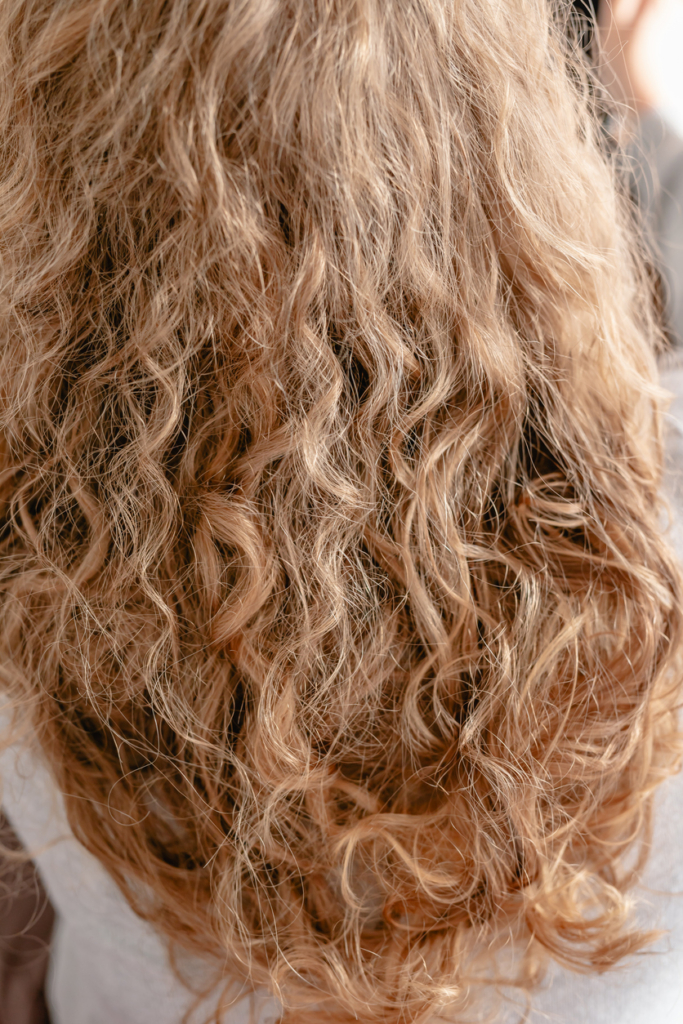
Stress shakes up many body processes, including scalp circulation, which affects hair nourishment. If you notice your hair is dry, brittle, and hard to manage, stress might be the culprit. Dry hair is a sign you shouldn’t overlook—it takes time and care to prevent it from worsening.
3. Split Ends
Almost everyone has dealt with split ends. Stress quietly weakens your hair, increasing the chance of breakage along the strands. The protein synthesis disruptions caused by stress can weaken hair structure, speeding up thinning and splitting.
4. Scalp Issues
Have you noticed your scalp itching, small red bumps, or dandruff? Stress can weaken your immune system, leading to various skin problems. Sensitive skin affected by stress can drag down your mood, creating a cycle that fuels more stress.
5. Changed Hair Texture
Changes in your hair’s texture can also signal stress. You might find your hair smoother or rougher than usual. This usually shows up over time as a sign of prolonged stress. The shift comes from structural changes in your strands triggered by your body’s stressed state.
6. Faster Oiliness
Stress can throw off sebum production, causing your scalp to get oily faster. While quick oiliness can have other causes, sudden changes are worth investigating. Washing your hair daily to combat oiliness might actually make things worse.

7. Slow Growth
If you feel your hair is growing slower than before, stress could be behind it. Like hair loss, slow growth often ties back to disrupted scalp circulation and nutrient supply. Since hair growth depends on many body systems working together, any imbalance shows up in your hair’s pace.
How to Ease Stress’s Impact on Your Hair
Prevention is key, but first, consult a professional who can guide you further. Build your own relaxation toolkit with meditation, exercise, and healthy eating to protect your hair and overall health. Remember, your body is a connected system—every part affects the whole. Take care and listen to the signals your body sends!