Taking care of your health used to mean hitting the gym and eating your vegetables. Today, it means something far more nuanced — and far more personal. Over the past few years, the way health-conscious people think, eat, move, and make decisions has shifted dramatically. Here's what's actually changed.
Mental health is no longer an afterthought
For a long time, "being healthy" was almost exclusively about the physical. That's changed. Mental wellbeing is now widely recognized as just as important as physical health — and the daily habits people build around it reflect that shift.
Meditation, breathwork, journaling, and mindfulness practices have moved from niche wellness circles into everyday routines. Research from Harvard Medical School has shown that consistent mindfulness practice can actually stimulate grey matter growth in the brain — helping reduce stress, sharpen focus, and maintain emotional balance over time.
More people are now treating their mental health with the same seriousness they once reserved for physical symptoms. That alone is a significant cultural shift.
Personalized nutrition is replacing one-size-fits-all advice
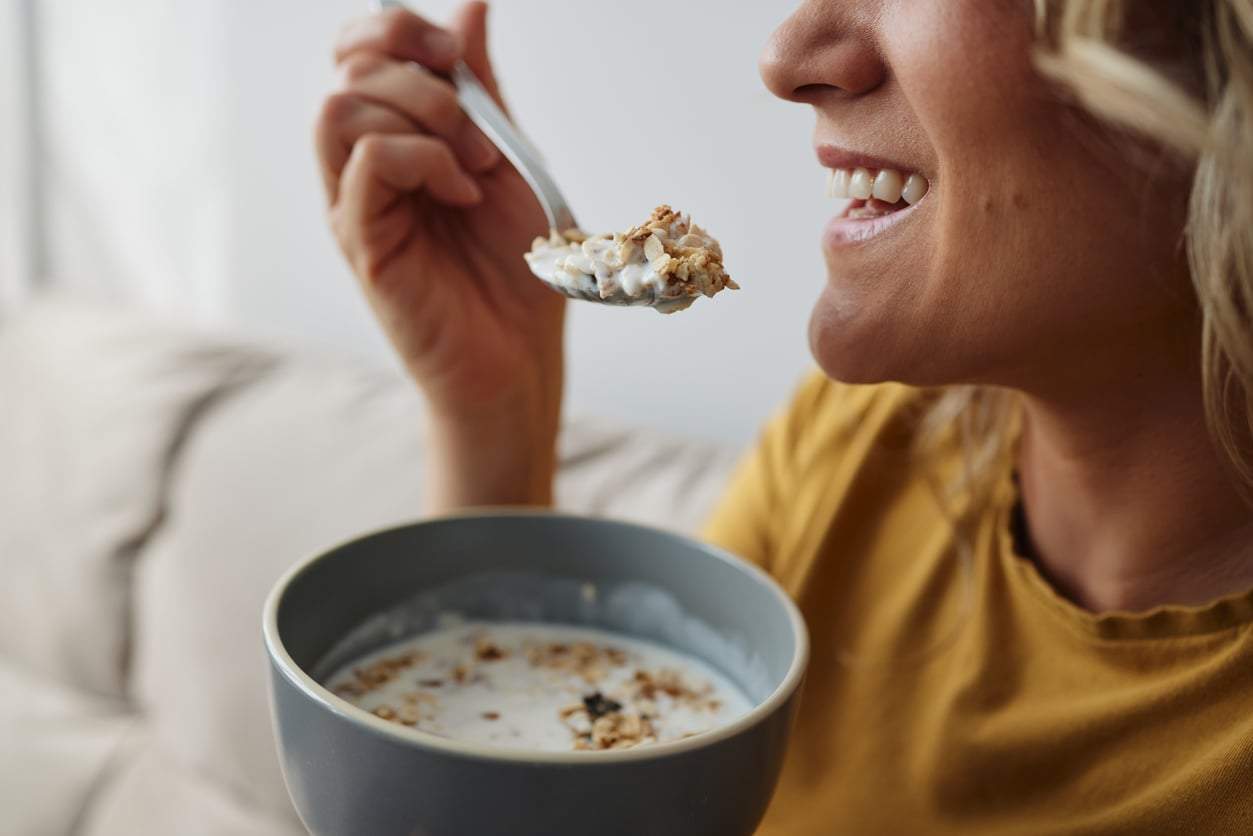
Generic dietary guidelines are losing their grip. The growing understanding that every body responds differently to food has pushed personalized nutrition to the forefront of health conversations.
Individual genetics, gut microbiome composition, and personal health goals all influence what diet will actually work for a given person.
Genetic testing and detailed blood panels now make it possible to base nutritional decisions on real data rather than broad recommendations. For many people, this shift has led to dramatic improvements in energy, digestion, and overall wellbeing — not because they found a miracle diet, but because they finally found the right one for them.
Exercise is about balance, not just intensity
The "no pain, no gain" era is fading. Health-conscious people today are increasingly prioritizing sustainability over intensity when it comes to movement.
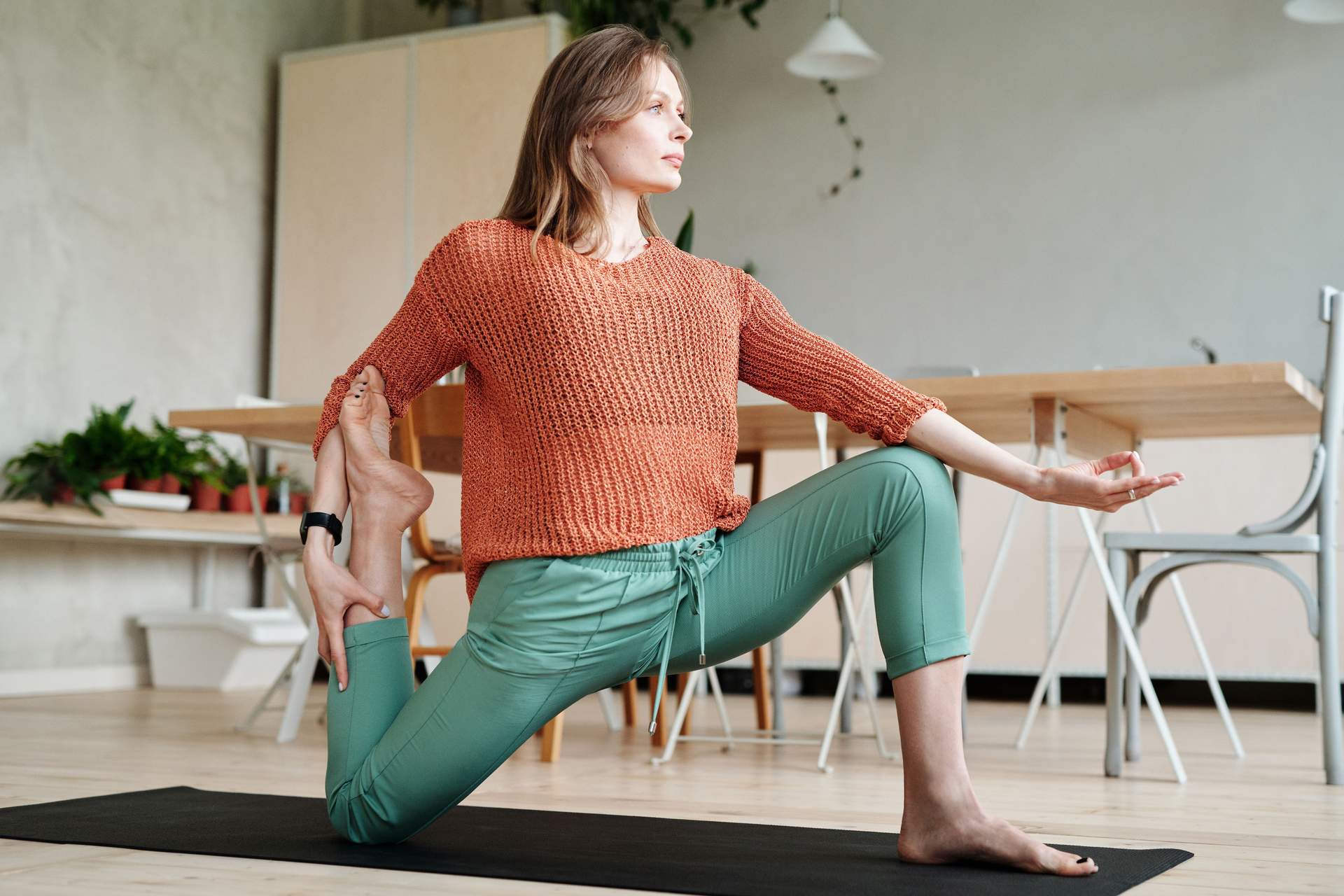
Yoga, Pilates, walking, and cycling have surged in popularity — not as replacements for more demanding workouts, but as legitimate long-term strategies for staying well. The American Heart Association recommends at least 75 minutes of vigorous activity per week, and that guidance now resonates with a much wider audience: not just gym enthusiasts, but people of all ages who simply want to feel better and stay mobile.
The focus has shifted from performance to consistency — and that's a healthier goal for most people.
Environmental awareness has become part of personal health
This one might surprise you: how you treat your environment is increasingly seen as part of how you treat your body. Health-conscious individuals are paying more attention to the ecological footprint of their choices — from the products they buy to the packaging they accept.
Eco-conscious shopping, reducing energy consumption, recycling, and supporting sustainability initiatives are no longer separate from personal wellness. The logic is simple: a healthier environment contributes to healthier lives. Cleaner air, less chemical exposure, and reduced environmental stress all have a direct impact on physical and mental health.
Natural supplements are replacing synthetic quick fixes
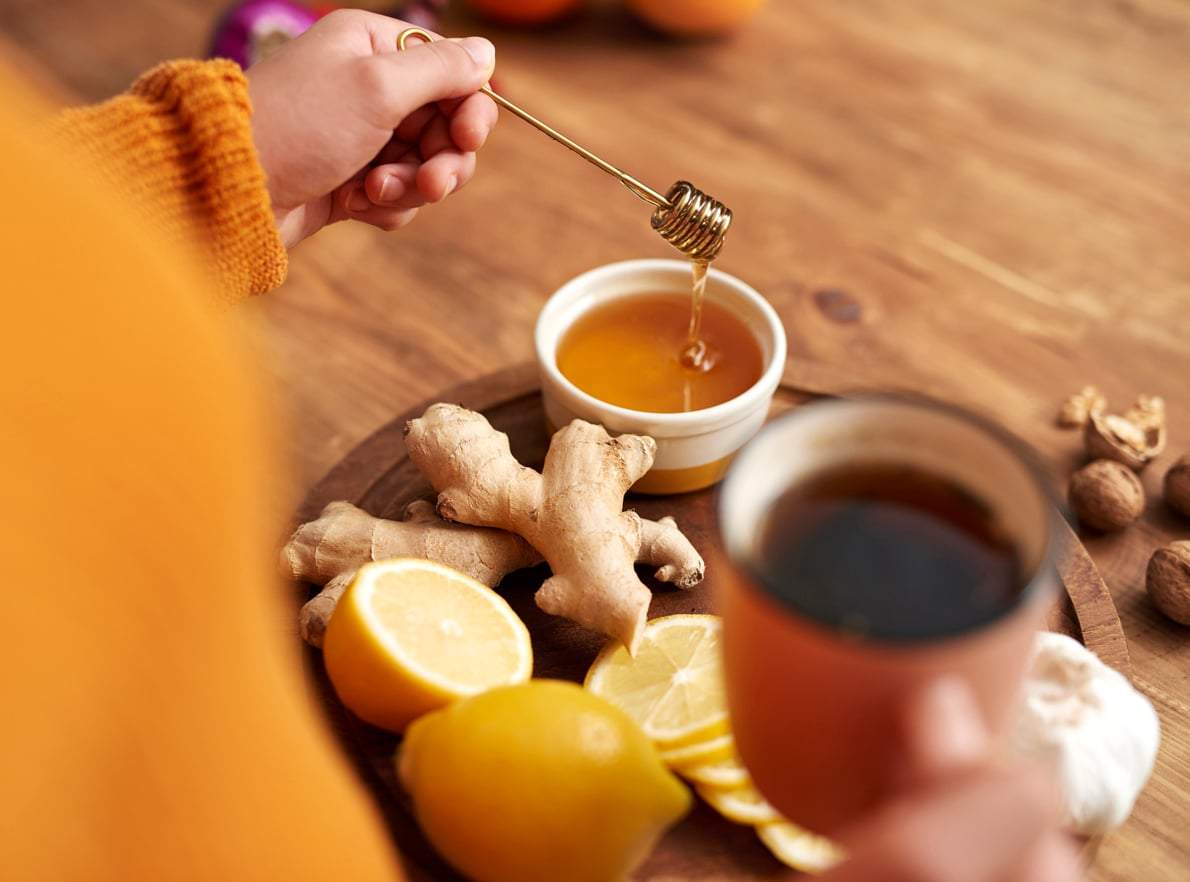
A few years ago, the supplement market was dominated by heavily processed products promising fast results. The tide has turned. People are now actively seeking out organic, non-GMO supplements from clean, traceable sources.
Research — including studies from Cambridge University — has highlighted just how far-reaching the benefits of gut microbiome health can be. Improving gut flora doesn't just affect digestion; it supports hormonal balance, immune function, and even mood. Natural supplements that genuinely support the whole body are now what informed consumers are looking for — not just the next trending product.
People are getting smarter about health information
In the digital age, anyone can publish health advice — and not all of it is trustworthy. One of the most important shifts in recent years is that health-conscious people are becoming more critical consumers of information.
Rather than chasing every new wellness trend or "miracle cure" that appears online, more people are learning to question sources, cross-reference claims, and distinguish between evidence-based guidance and clever marketing. This kind of information literacy is quietly one of the most powerful health tools available today.
Healthy living has genuinely evolved — and these changes go beyond individual habits. They reflect a broader, more thoughtful approach to what it means to take care of yourself. The more we embrace these shifts, the better equipped we are to build health that actually lasts.