We've all been told to "stand up straight" since childhood — but good posture is about much more than willpower. The muscles in your legs, the shoes on your feet, and even how you sit at your desk all play a surprisingly powerful role. The good news? A few targeted changes can make a visible difference faster than you'd expect.
Why posture matters more than you think
It's easy to dismiss posture as a minor concern — something to worry about later. But poor posture quietly affects your quality of life every single day. Back pain, neck tension, and chronic aches are among the most common consequences, and they tend to get worse over time if left unaddressed.
Research consistently shows that posture is directly linked to overall musculoskeletal health — and the effects go far beyond just how you look.
When your body is out of alignment, your spine, muscles, and joints absorb uneven stress with every step and movement. Over time, this can lead to injury. Less obviously, poor posture also affects your breathing efficiency and circulation — two things that impact your energy levels and focus throughout the day.
The best leg exercises for better posture
Your legs are the foundation of your posture. Strengthening and mobilizing them is one of the most effective — and most underrated — ways to support proper alignment from the ground up. Here are three exercises worth adding to your routine:
- Lying leg curls: A gentle but effective way to strengthen the leg muscles without stressing your joints. Lie on your back, lift one leg, and slowly bend it at the knee while keeping the other leg flat and stable on the floor. Alternate sides.
- Calf raises: More than just a calf exercise — rising onto your toes challenges your balance and trains the stabilizing muscles that keep your posture upright. Hold the raised position for a few seconds before lowering back down.
- Ankle circles: Simple but powerful for improving flexibility and circulation in the lower limbs. Whether sitting or standing, rotate each ankle slowly in both directions for a minute or two. This is especially useful after long periods of sitting.
The shoe mistake that's quietly wrecking your posture
Here's something most people overlook: the wrong footwear can undo all your posture work. Shoes that are too flat, too high, or poorly fitted force your body into compensating positions that strain your spine and joints all day long.
When shopping for shoes, pay attention to your foot's natural shape and look for models that offer proper arch support. The ideal heel height sits somewhere between completely flat and excessively high — a moderate lift that supports natural alignment without tipping your pelvis forward. It's a small detail that makes a surprisingly big difference over time.
More habits that support good posture
Beyond exercises and footwear, a few everyday adjustments can reinforce the progress you're making. One of the most important: avoid staying in the same seated position for too long. Get up regularly, stretch your limbs, and take short movement breaks throughout your workday.
Relaxation techniques such as breathing exercises or meditation can also help. Chronic tension in the shoulders and back is a major contributor to poor posture — and these practices are effective at releasing that tension from the inside out.
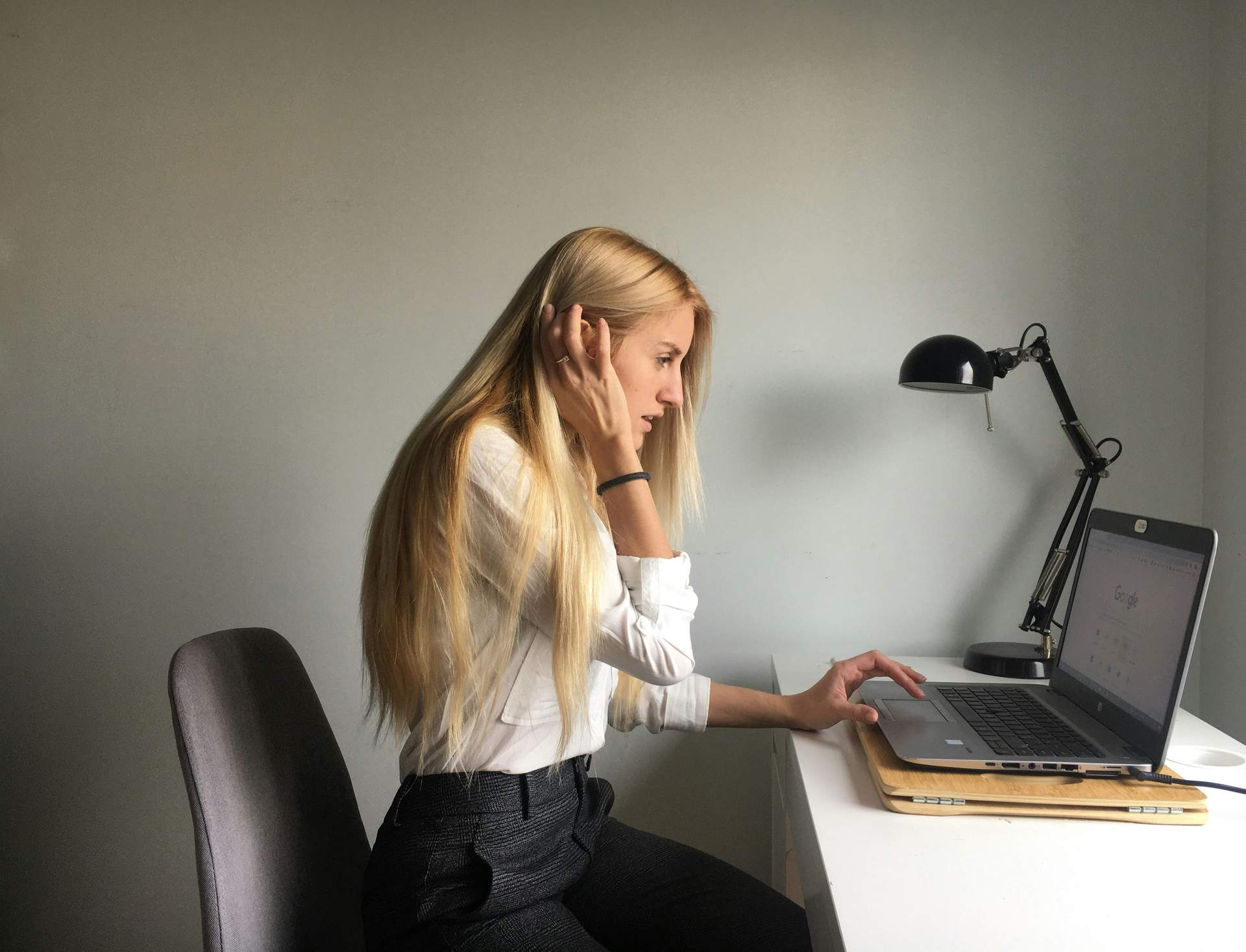
Finally, take a look at your workspace. Ergonomic chairs, adjustable desks, and a correctly positioned monitor can dramatically reduce the strain of long sitting sessions. Small tweaks — like raising your screen to eye level or adjusting your chair height — can relieve shoulder and neck tension you might not even realize you're carrying.