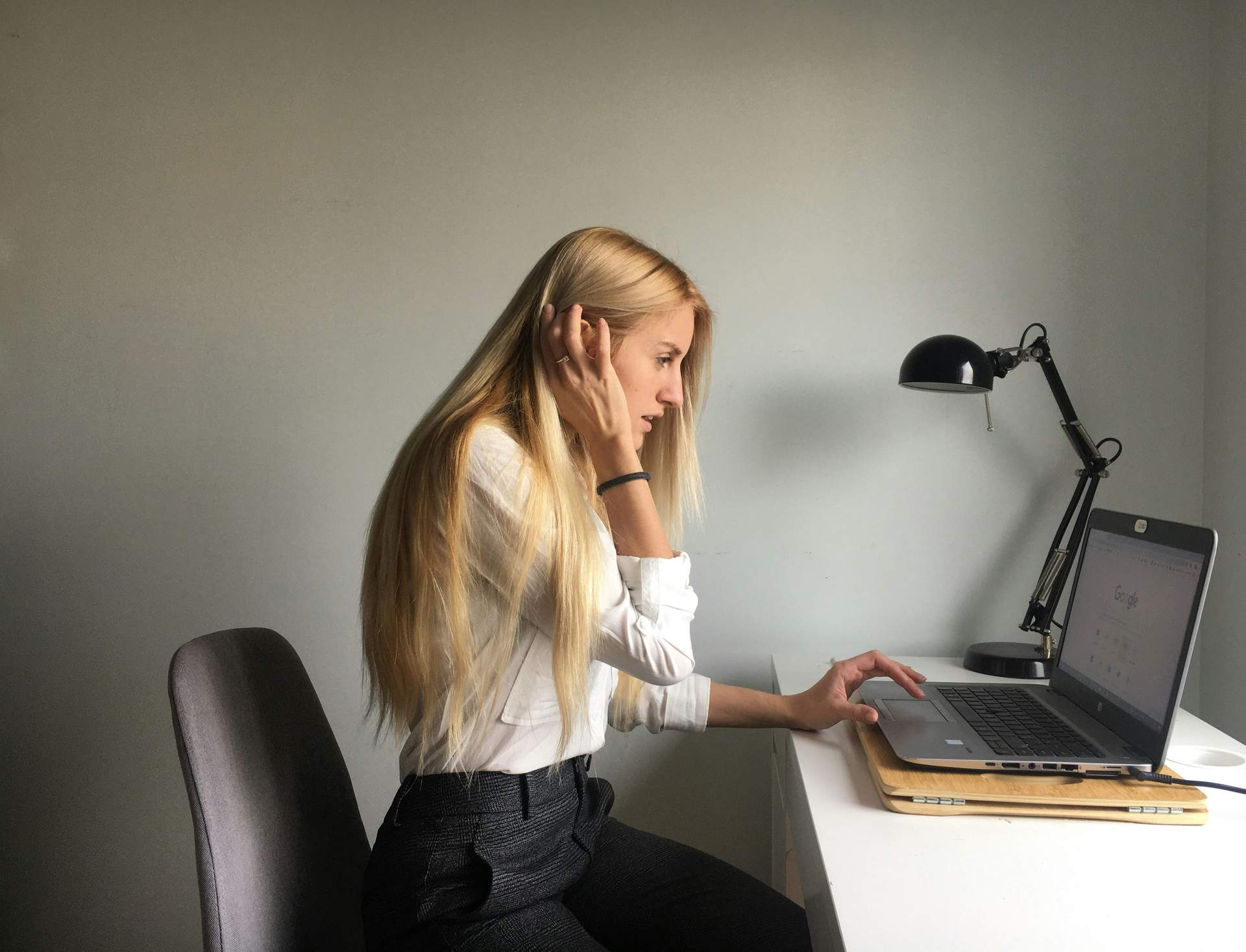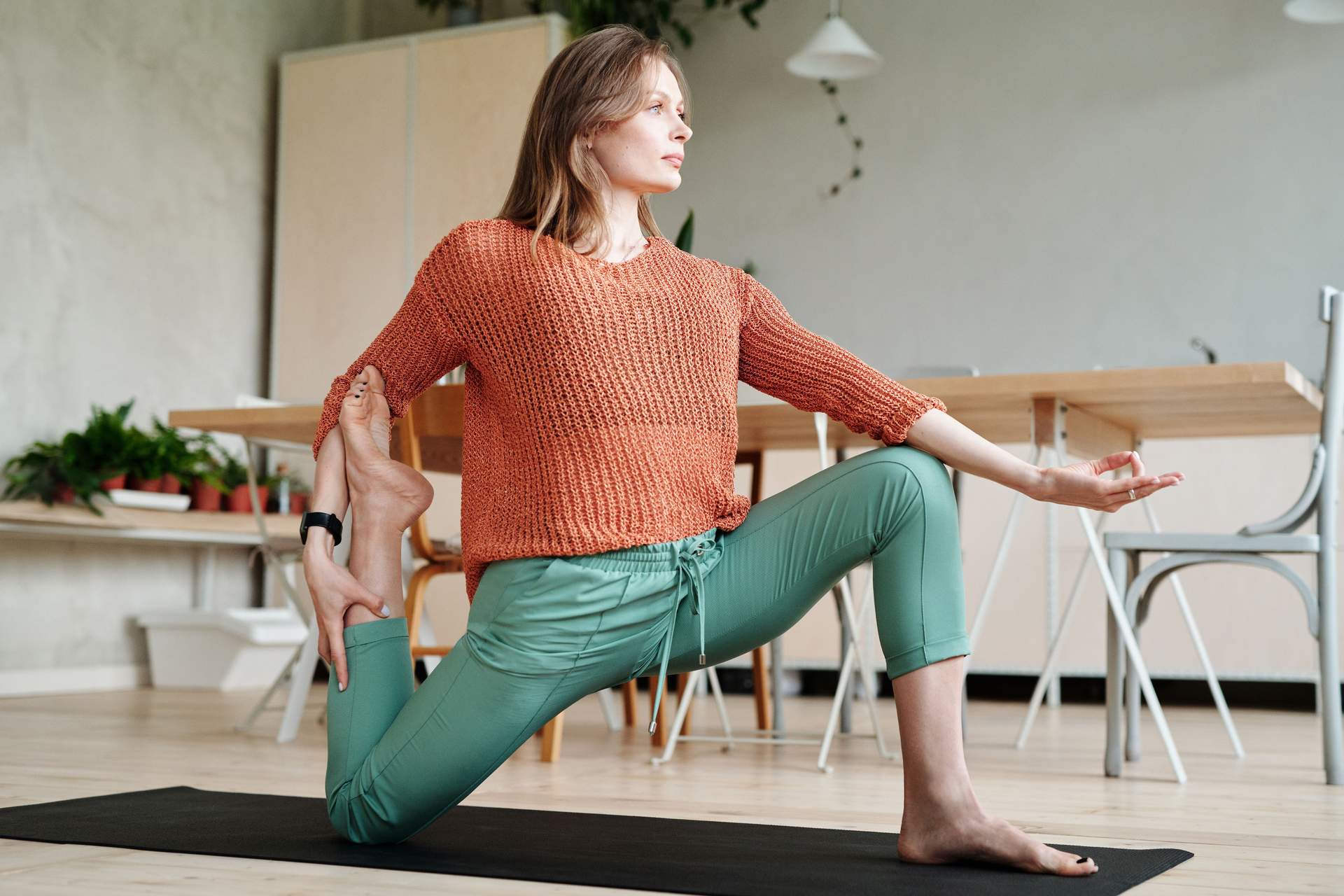
You sit down at your desk, blink, and suddenly hours have passed without a single real movement. Sound familiar? Between office work, home office, commuting, and endless screen time, most of us spend far more of the day motionless than we realize.
And your body notices. Long stretches of sitting leave you feeling stiff, heavy, and mentally foggy — even if you haven't done anything remotely tiring.
The good news: you don't need a gym membership or a long workout to turn this around. Small, regular movements — often called micro-movements — are enough on their own to wake up your circulation and release built-up tension.
According to Dr. Sunder Pal Singh, a physiotherapist at the CK Birla Hospital in Delhi, these tiny, intentional "body refreshers" slot easily into your daily routine and can make a real long-term difference to how you feel and move, as reported by The Health Site. The point isn't quantity — it's consistency.
Why do micro-movements actually work?
Sitting for long periods slows down your circulation, especially in the lower body, while your neck, shoulders, and lower back stay under constant static strain. Over time, that can lead to stiff muscles, fatigue, and even headaches.
The whole idea behind micro-movements is to interrupt that frozen state. They don't overload your body, but they give it just enough of a signal to reactivate your muscles, get your blood flowing again, and let your joints breathe.
1. Shoulder rolls — for fast tension relief
Your shoulders are one of the first areas to stiffen up, especially when you're hunched over a monitor. That slouched posture doesn't just look tired over time — it can lead to real health issues too.
What to do:
Slowly roll your shoulders back, then forward, in gentle circular motions. Do it for a few seconds, several times a day if you can.
Why it helps:
This move helps "reset" your natural posture, eases neck tension, and brings many people almost instant relief.
2. Seated leg extensions — wake up sleepy legs
During long sitting sessions, your thigh and calf muscles go almost completely inactive, which can leave your legs feeling heavy and tired by the end of the day.
What to do:
While seated, straighten one leg out in front of you, hold it for a few seconds, then slowly lower it back down. Repeat with the other leg.
Why it helps:
It stimulates circulation, eases that pins-and-needles feeling, and helps prevent the heavy-leg sensation that so often hits in the afternoon.
3. Standing up regularly — the simplest habit that matters most
Your body was never designed for long, uninterrupted sitting, so even just breaking up that stillness now and then makes a real difference.
What to do:
Every 30 to 60 minutes, stand up, stretch, or take a few steps around the room or office.
Why it helps:
These short breaks improve circulation, reduce stiffness, and help keep your mind sharp too.
4. Calf raises — a tiny move that fires up circulation
This is one of the easiest exercises to slip into your day, since you can do it almost without anyone noticing.
What to do:
Rise up onto your toes, hold the position, then slowly lower your heels back down. Repeat several times.
Why it helps:
It boosts circulation in the lower legs and eases that swollen, tired feeling — especially after a long stretch of sitting.
5. Wrist and finger mobility — a digital world means digital strain
All that everyday typing and phone scrolling puts constant pressure on the small joints and tendons in your hands.
What to do:
Stretch out your arm, then slowly open and close your fingers, and finish with a few gentle wrist circles in both directions.
Why it helps:
It releases tension in your hands and forearms, improves mobility, and can help prevent the discomfort that comes from overuse.
The power of small steps in everyday life
With a modern lifestyle, fitting in long workouts isn't always realistic — but ignoring your body's signals isn't a great option either. That's exactly why micro-movements are such a smart solution: they cost you no extra time or equipment, yet they can noticeably lift how you feel.
Dr. Sunder Pal Singh emphasizes that small, regular movements help maintain joint health over the long term, improve circulation, and contribute to better body awareness too.
In the end, it isn't about how much you move all at once. It's about how much you allow your body to keep living and functioning throughout the day.
How often should I do micro-movements during the day?
Aim to break up long sitting sessions every 30 to 60 minutes. Even a few seconds of shoulder rolls, calf raises, or a quick stretch can be enough — consistency matters far more than duration.
Do micro-movements really replace a proper workout?
They're not a substitute for regular exercise, but they're a powerful complement — especially when a full workout isn't realistic. Their main strength is keeping your body active and your circulation flowing throughout the day.
Can I do these exercises while still sitting at my desk?
Yes. Seated leg extensions, shoulder rolls, calf raises, and wrist mobility moves can all be done right at your desk, often without anyone even noticing.
Why do my legs feel so heavy after sitting all day?
Long sitting leaves your thigh and calf muscles inactive and slows circulation in the lower body. Simple moves like calf raises and leg extensions help stimulate blood flow and ease that heavy, tired feeling.