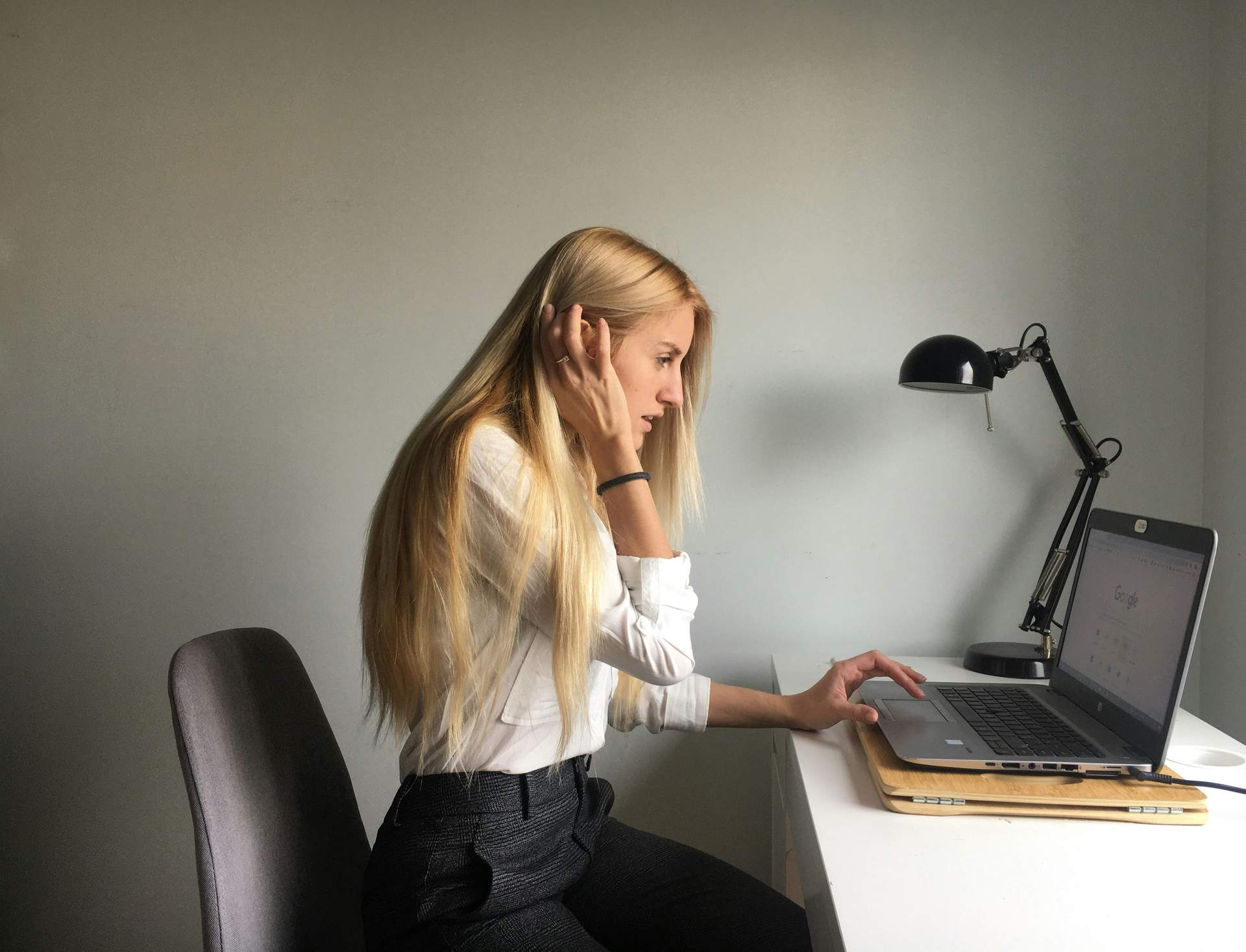
If your lower back has been nagging you lately, your glutes might be the real culprit — and the fix could take just 10 seconds. Long hours at a desk, a sedentary routine, and too little movement can quietly switch off the muscles that are supposed to protect your spine. The result? Your back ends up doing all the work, and it lets you know about it.
The good news is that you don't need a gym, a foam roller, or a physiotherapy appointment to start turning things around. A single, targeted exercise — doable right at your desk — may be enough to wake those muscles back up, ease the tension in your lower back, and improve your posture over time.
Why your glutes matter more than you think
The gluteal muscles — your glutes — do far more than shape your hips. They play a central role in stabilising your entire lower body, distributing load across your lower back, and supporting the sacroiliac joints that connect your spine to your pelvis.
When these muscles are strong and active, they act as a natural shock absorber for your back. But when they're underused — which happens fast when you spend most of the day sitting — they essentially go to sleep.
Fatema Contractor, lead osteopath at The Health Suite, calls this phenomenon "gluteal amnesia": the glutes stop firing automatically during movement, so the back muscles compensate. Over time, that compensation leads to pain, stiffness, and progressive weakness.
It's one of the most common and overlooked causes of lower back pain in people who work desk jobs — and most people have no idea it's happening.
The 10-second exercise that reactivates your glutes
You don't need to overhaul your entire routine to address this. According to Contractor, one simple move, repeated consistently throughout the day, can retrain your brain to engage the right muscles again.
Here's how to do it:
- Sit up straight in your chair with your shoulders relaxed and your gaze forward.
- Squeeze your glutes firmly and use that tension to lift yourself slightly off the seat.
- Hold for 10 seconds, then slowly release.
- Repeat every time you stand up from your desk.
That's it. The simplicity is the point. By consistently activating the glutes at the moment of standing — when they should naturally be firing — you gradually rebuild the neural connection between your brain and those muscles. Over time, this can reduce lower back tension, improve hip mobility, and help prevent the cycle of weakness from continuing.
How to build more movement into your day
The glute squeeze is a great starting point, but it works best as part of a broader habit of moving more throughout the day. Contractor recommends standing up at least every 30 minutes if you're sitting for long stretches — even a short walk to the kitchen or a minute of light stretching makes a difference.
If you want to go further, these desk-friendly moves are easy to slot into any workday:
- Seated spinal rotation: Cross your arms over your chest and slowly rotate your upper body from left to right.
- Shoulder shrugs: Lift both shoulders up toward your ears, hold briefly, then release slowly.
- Neck rolls: Gently turn your head from side to side in a slow, controlled movement.
- Overhead stretch: Clasp your hands above your head with palms facing up and reach tall.
- Lateral neck stretch: Sit on one hand, tilt your head to the opposite side, and hold — then switch.
Together, these movements improve circulation, reduce muscle tightness, and give your nervous system a reset — all without leaving your workspace.
When to see a professional
These exercises are excellent for prevention and for managing everyday tension, but they're not a substitute for professional care when something more serious is going on.
If your back pain is severe, persistent, or radiating down your leg, it's worth seeing an osteopath or physiotherapist for a proper assessment. Don't push through sharp or worsening pain — that's your body asking for more than a desk stretch.
For most people dealing with the dull, chronic ache of a sedentary lifestyle, though, the barrier to feeling better is surprisingly low. A 10-second squeeze, a few mindful breaks, and a little more movement each day can go a long way.
Your back has been carrying the load quietly for a long time. Give your glutes a chance to help.