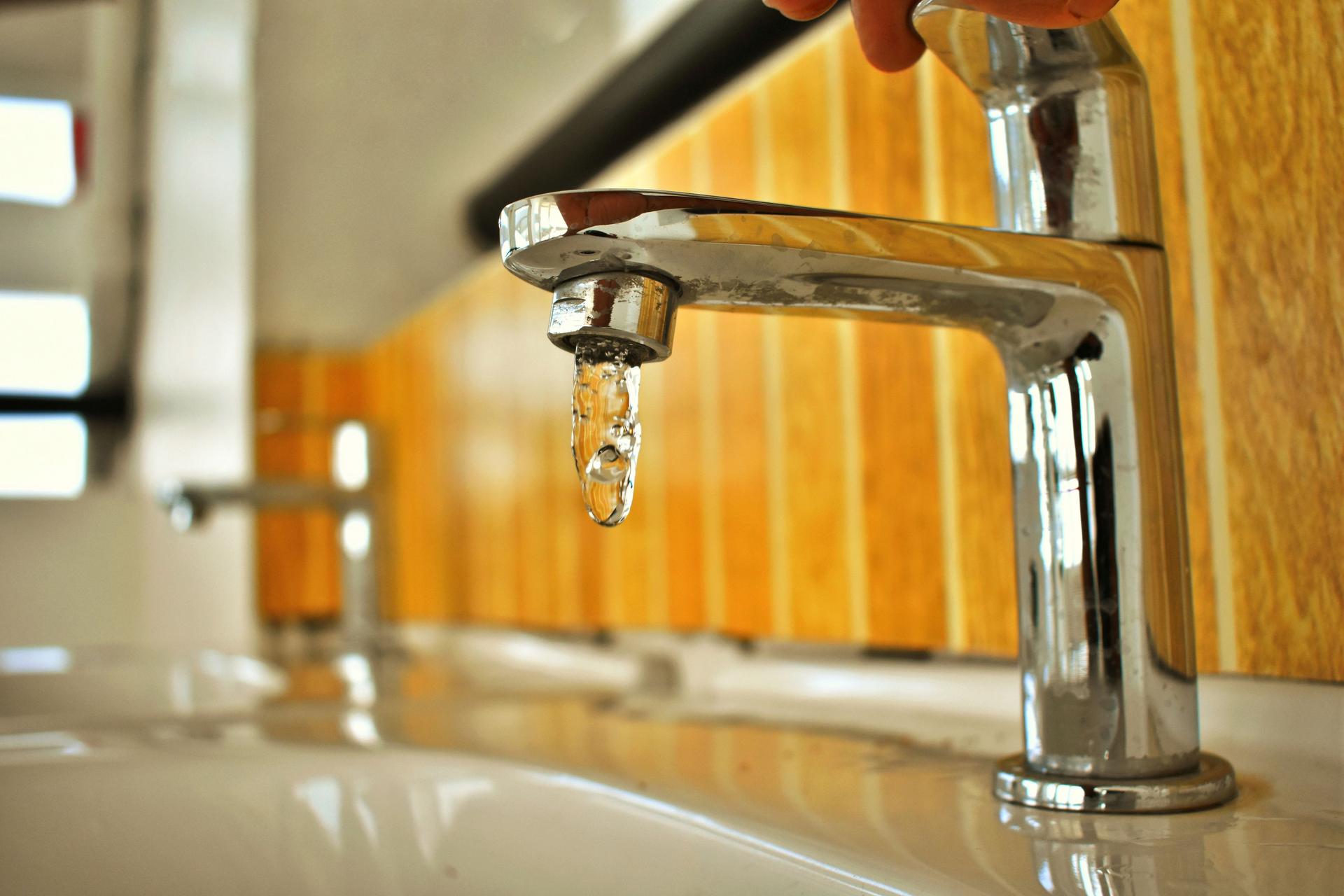
You turn on the tap, clean water pours out, and you barely notice it. For much of the world, that simple moment is anything but guaranteed.
Safe, drinkable freshwater is becoming a scarcer resource every year — and this isn't just a problem for distant countries. Slowly but surely, it's starting to shape our everyday lives too.
Why is water running out when most of the planet is covered in ocean?
It's true that most of the Earth's surface is covered in water. The catch is that only a tiny fraction of it is drinkable, accessible freshwater.
The pressure on rivers, lakes and underground reserves grows year after year: more people, more agricultural irrigation and more industrial use all draw from the same limited sources.
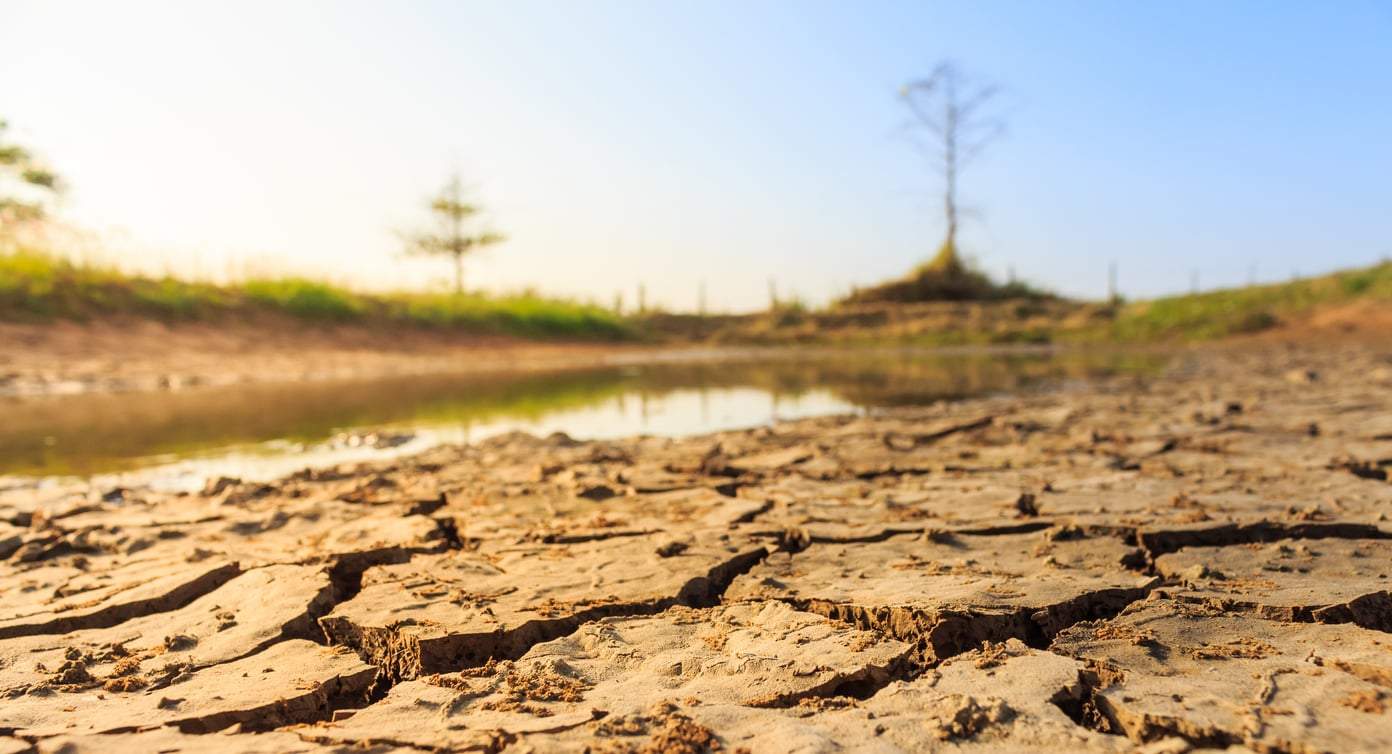
Climate change also makes rainfall unpredictable. Regions that once had steady rain now face long droughts, while elsewhere sudden floods wash away groundwater reserves.
Pollution is just as serious as the shortage itself
It's not only that there's less water — the quality of what remains is getting worse. Agricultural chemicals, industrial wastewater and plastic waste flow steadily into rivers and groundwater.
In many places, the real problem isn't the lack of water but its cleanliness. In regions without proper wastewater treatment, that translates into a direct health risk for local communities.
What does all this mean in everyday life?
The consequences of a water shortage ripple far and wide. Where there isn't enough water for irrigation, food production is put at risk, which can lead to rising prices and food security problems.
In some regions, the struggle for water fuels social tension and even conflict. And while we rarely face dramatic shortages here, the increasingly frequent summer droughts and falling groundwater levels are a clear sign that this issue won't pass us by either.
If you want a fuller picture of where these trends are heading, it's worth exploring what a future shaped by water scarcity could look like.
Water isn't precious because there's little of it — it's precious because nothing else can take its place.
What you can do at home to waste less water
- Shower instead of bathing: a shorter shower uses far less water than filling a bathtub, and it's the easiest daily habit to change.
- Fix dripping taps and toilet cisterns: a tap that drips constantly can waste a surprising amount of water over time, so it's worth repairing sooner rather than later.
- Collect rainwater: a simple rain barrel in the garden means you don't have to use tap water for watering.
- Water smarter: watering early in the morning or in the evening loses less water than watering in the midday sun, because less evaporates before it can do any good.
- Run full loads only: starting the dishwasher and washing machine only when they're full uses less water and energy overall than running them half-empty more often.
- Shop mindfully: it's worth thinking about how much clothing and food we buy, since producing them carries a significant water footprint — even if it never shows up directly on your bill.
Small steps that still matter
A single household's water use won't solve the global shortage on its own — there's no denying that. But when many of us tweak small habits, the strain on local water reserves eases, and you'll feel the difference on your own utility bill too.
Water is one of the few things we genuinely can't replace with anything else. That alone is reason enough to treat it as if we already knew what it feels like to run short.
How much of the Earth's water is actually drinkable?
Although most of the planet's surface is covered in water, only a tiny fraction of it is accessible, drinkable freshwater. The rest is salt water or otherwise out of reach.
Is water quality as much of a problem as the shortage?
Yes. Even where water exists, agricultural chemicals, industrial wastewater and plastic pollution can make it unsafe. In places without proper treatment, that becomes a direct health risk.
What's the easiest way to save water at home?
Swapping baths for shorter showers is the simplest daily change. Fixing dripping taps and running the dishwasher and washing machine only on full loads also make a real difference.
Can one household really make a difference?
On its own, no — but when many people adjust small habits, the pressure on local water reserves drops, and you'll notice the savings on your own utility bill as well.