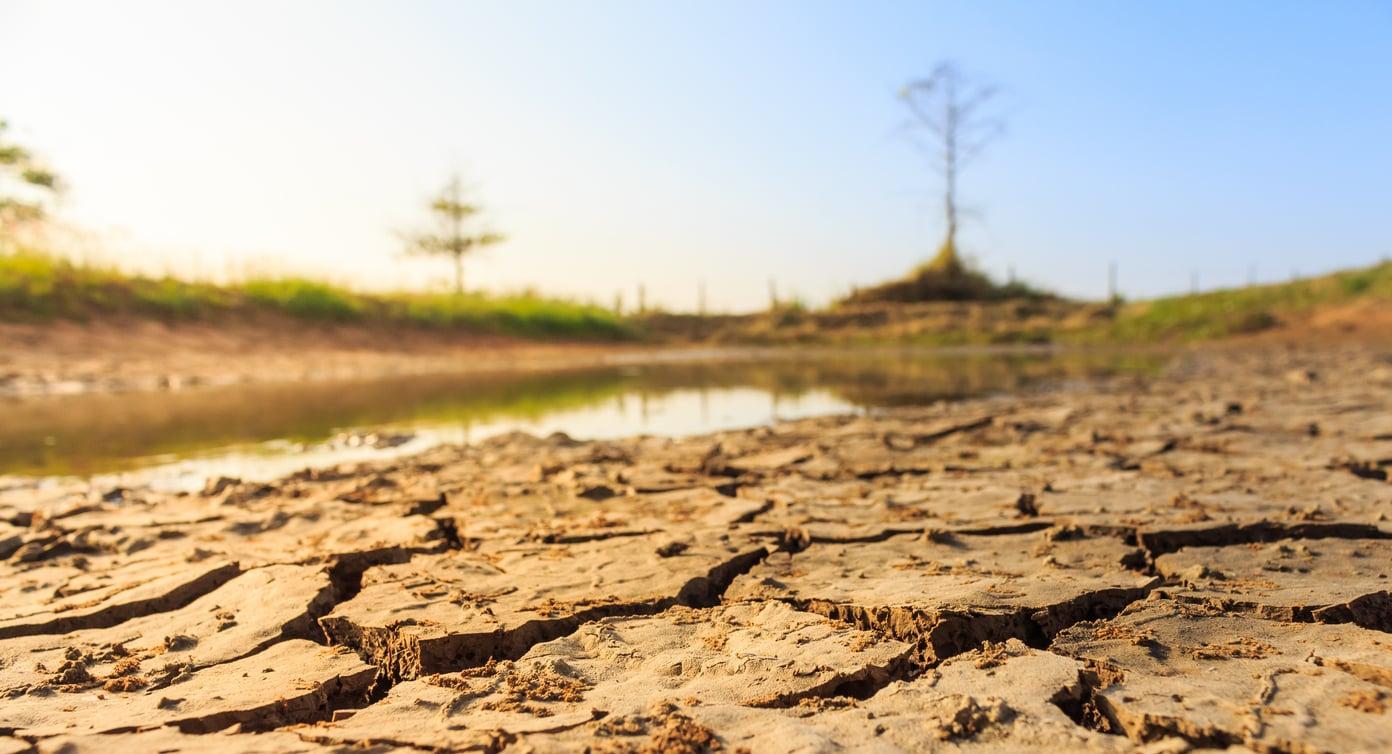
This summer's extreme heat and drought didn't just burn up the countryside. It put our energy security under serious strain — and revealed just how unprepared we really are.
I say this as someone who genuinely loves summer. The heat has never bothered me. I'm happy to slow down, live a little more like people do around the Mediterranean, find the right rhythm for the hottest days. If I really need to, I'll run the air conditioning at night so I can sleep. But this summer was different from anything I'd gotten used to.
Wildfires burned close to home — not somewhere abstract on a news ticker, but near enough to feel real and frightening. Back in my own yard, the grass lay flat and yellow, scorched beyond recovery, and even the drought-resistant plants I'd specifically chosen were wilting at the edges.
The vegetables I grow under cover barely survived the May heat. My tomatoes only started producing properly much later than usual. And our favorite summer fruit — watermelon — we had maybe one genuinely good one all season. The small streams nearby, the ones that used to overflow after heavy rain, sat bone dry and gaping. The spring and summer mushroom foraging we usually look forward to? Completely wiped out. We didn't find a single edible mushroom in the woods. The barrenness was impossible to ignore, and the scale of the problem turned out to be much bigger than we'd assumed.
A warning shot, not a reason to relax
Then came the moment that really stung. At the height of the crisis, authorities asked the public to reduce electricity use during peak hours — an unusual, significant step. As it turned out, our household was already doing most of the right things without even thinking about it: laundry and dishwashing in the morning, the air conditioning set to a higher temperature and used carefully. Even so, the news hit hard. The realization of what we'd collectively gotten ourselves into was sobering.
But just as quickly, the situation shifted. Rain began falling in the river's catchment area upstream. Temperatures eased. The authorities almost immediately lifted their appeal — everything could go back to normal, they said. Problem solved.
Instead of finally pausing to reflect, we told ourselves once again that a few days of effort was enough — and that we could return to our comfortable, wasteful habits as if nothing had happened.
What this crisis made visible is something we can no longer afford to ignore. Climate change is no longer just a threat to the elderly, to children, or to gardens. It's now reaching our most critical infrastructure. Power plants need enormous volumes of cooling water drawn from rivers. After use, that water is returned — but warmer than before.
This is where a strict environmental rule applies: the returned water cannot raise river temperatures above 86°F (30°C). That's not bureaucratic red tape — it's there to protect the river's ecosystem, its fish and plant life.
When a river naturally heats to 77–79°F (25–26°C) during a prolonged heatwave, and water levels drop sharply at the same time, power plants are forced to reduce output for both safety and environmental reasons. And here's the cruel irony: just when reduced cooling water makes electricity harder to generate, we are running our air conditioners and refrigerators at full tilt. Demand peaks precisely when production is most vulnerable.
Treating the symptom, not the disease
When the weather breaks, the river cools quickly, water levels nudge up a little, and the plant hums back to full capacity. We lean back, relieved that we've gotten away with it again. The trouble is:
A summer downpour is to the natural system what a fever reducer is to a sick person — it eases the symptoms, but it doesn't treat the underlying cause.
The long-term data paints a grim picture. The average temperatures of our lakes and rivers are rising slowly but steadily, while shrinking snowcaps and glaciers in the Alps mean less natural water replenishment by late summer each year. A few extra inches on the river gauge isn't a solution — it's a short reprieve. One we've been given, again, so that we might finally use it wisely.
The real question is what we do with that time: do we sink back into comfortable habits the moment the pressure lifts — as it certainly looks like we do — or do we recognize that real change starts at home, in the everyday choices we make?
At a systems level, solutions exist: supplementary cooling towers, more advanced cooling technologies, and effective battery storage for solar energy could all ease the strain on the grid during critical days. But the responsibility doesn't rest only with engineers and policymakers.
If nothing changes at the individual level, the next heatwave and drought may not be nearly as forgiving — and it will remind us of our complacency in ways that are much harder to ignore.
Why does the river temperature matter for electricity?
Power plants use river water to cool their systems. If the river gets too warm, they must reduce output to avoid raising water temperatures beyond the legal environmental limit — which protects fish and aquatic life. During a heatwave, this happens exactly when electricity demand is at its highest.
What can individuals actually do during a heat and energy crisis?
Small shifts make a real difference: running high-consumption appliances like washing machines and dishwashers in the early morning, setting air conditioning a few degrees higher, and avoiding unnecessary standby power usage. As described in this article, households that already follow these habits naturally reduce strain on the grid during peak hours.
Is this just a problem for one unusually hot summer?
Unfortunately not. The article points out that average river temperatures are rising year on year, and natural water replenishment from Alpine snowmelt is declining. Each temporary improvement in river levels is a short window — not a lasting fix.
Why does a quick return to normal habits matter so much?
Because the crisis didn't disappear — it was merely paused by a change in weather. Returning immediately to high-consumption habits means the underlying vulnerability remains, and the next heat event is likely to hit harder than the last.