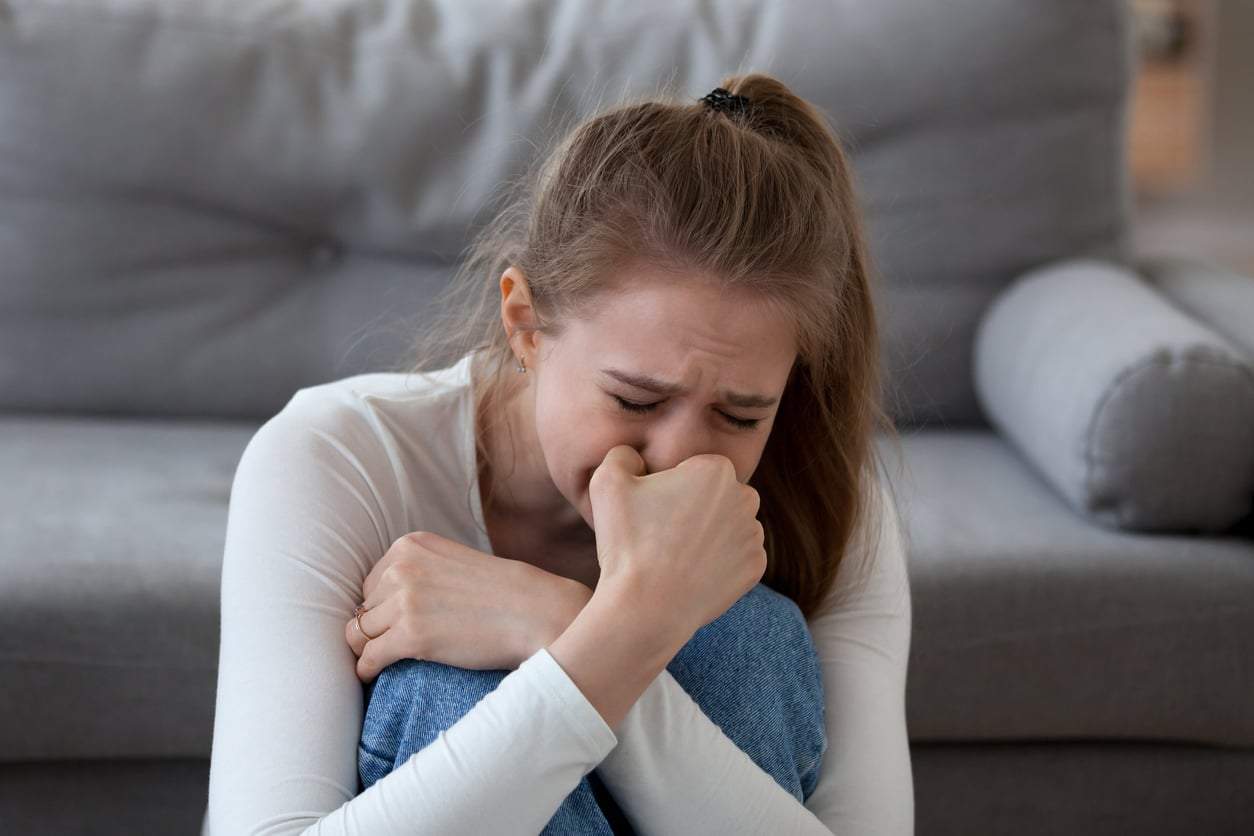
Every ten minutes, somewhere in the world, a woman is murdered by a partner or family member. It's a statistic that should stop us cold — and yet these tragedies are rarely random. Researchers who interviewed men imprisoned for killing their intimate partners found seven chilling patterns that appeared, again and again, in every relationship before the killing. These are not subtle signs. They are a blueprint.
Complete isolation
The single most common factor was the deliberate social isolation of the woman. It typically started with jealousy — toward her friends, her family, anyone who mattered to her. Then came the ultimatum: choose them or choose me.
The abuser would fill the void with his own circle, or with no one at all. Cut off from her support network, the victim's confidence eroded while his control tightened. By the time she was truly alone, she had nowhere to turn and no one to tell.
Making the outside world feel dangerous
Alongside social isolation came something more insidious: the abuser convinced his partner that the outside world itself was a threat. He told her that anyone beyond their relationship was dangerous — neighbors, strangers, doctors, all of them potential enemies.
By framing everyone else as a danger, he cast himself as her only protector. The effect was devastating: she became dependent on the one person she should have been most afraid of.
Forcing her out of work
These men consistently did not want their partners working. A job meant colleagues she could confide in, independence she could build on, and — most threatening of all — her own money.
Financial independence undermines total control. So the abuser would wear her down: the job was taking her away from the relationship, her place was at home, her career was selfish. He kept at it until she quit. Once she had no income of her own, her financial vulnerability became another chain holding her in place.
Gaslighting her reality
After the initial honeymoon phase, these men began gaslighting their partners — first with small, everyday lies, then with a sustained campaign to make them question their own minds. The goal was to make the woman doubt her memory, her perceptions, and her instincts.
When the victim tried to confront her abuser, he would deploy what researchers call "harm denial" — minimizing what he had done and repositioning himself as the real victim. Over time, she stopped trusting herself entirely.
Gaslighting and emotional manipulation are more common than most people realize. These are the subtle manipulation tactics that are easy to miss in a relationship.
Taking control of her body
Control extended beyond the mind. These men treated their partner's body as their property — dictating what she ate, how much she weighed, what she wore, and what medication she took.
If she tried to leave, he might take her car keys or physically prevent her from going. Sexual coercion was common. Many of these men also deliberately prevented their partners from using contraception, using pregnancy as yet another way to trap her in the relationship.
Keeping her away from doctors
Healthcare professionals are often the first outsiders to notice signs of abuse — and these men knew it. Limiting access to medical care was a deliberate strategy.
They restricted their partner's visits to gynecologists — particularly relevant given the deliberate pregnancies — and prevented them from seeing therapists or psychologists. Anyone who might see the truth, and name it, was kept out.
A network of men who looked the other way
Perhaps the most disturbing finding of all: in every single case, there were male friends or family members who helped enable the abuse. Not by accident. Knowingly.
This complicity ranged from dismissing or minimizing the abuse, to actively encouraging it, to — in some cases — helping the perpetrator cover up evidence or dispose of a body. In every case studied, men in the abuser's circle played a role in allowing the tragedy to happen.
These seven patterns are not a checklist to complete before danger arrives. They are the danger. Recognizing them — in a relationship, in a friend's relationship, in a family dynamic — can save a life. If something feels wrong, it probably is. Believe it.
What is the most common warning sign before intimate partner homicide?
According to research based on interviews with convicted perpetrators, complete social isolation of the victim is the single most consistent warning sign. Abusers systematically cut their partners off from friends, family, and any outside support before the violence escalated.
Why do abusers try to stop their partners from working?
Employment gives a woman financial independence, a social network, and people she can confide in — all of which threaten the abuser's control. By pressuring her to quit, he increases her economic vulnerability and removes potential sources of help.
What does gaslighting look like in an abusive relationship?
It typically begins with small lies and denials, then escalates into a pattern where the abuser consistently undermines the victim's memory, feelings, and perception of events. The goal is to make her stop trusting her own judgment, making it harder for her to recognize or report the abuse.
Why do abusive men prevent their partners from seeing doctors?
Healthcare professionals are trained to recognize signs of abuse and are often legally required to report it. Abusers restrict medical access — including gynecological care and mental health support — specifically to prevent outside detection of what is happening at home.
What role do bystanders play in intimate partner violence?
Research found that in every case studied, male friends or relatives of the perpetrator played some enabling role — ranging from minimizing the abuse to active complicity, including helping conceal evidence. This network of silence and complicity is a critical, often overlooked factor in how abuse escalates unchecked.