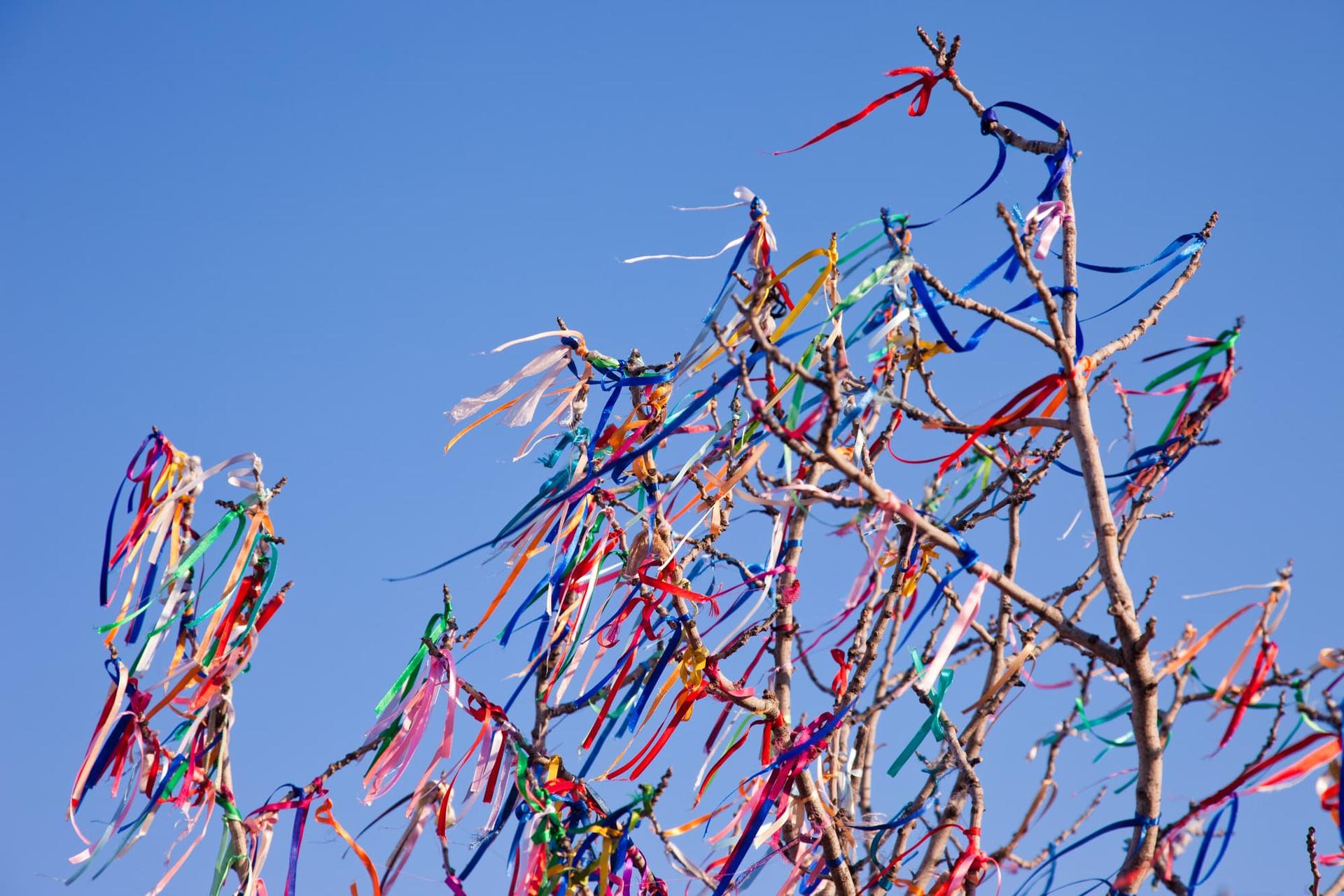
Imagine waking up on the first of May to find a tall, ribbon-wrapped tree standing outside your window — placed there in secret, just for you. That's the magic of the maypole tradition. But in 2026, how many people still keep this romantic custom alive?
What does the maypole actually symbolize?
The maypole tradition is rooted in ancient celebrations of fertility, renewal, and the arrival of spring. In its most romantic form, a young man would secretly erect a decorated tree or branch in front of the home of the girl he admired — a wordless declaration of love left to be discovered at dawn.
The gesture was deeply meaningful. By choosing her, he was saying she was the most worthy, the most admired woman in the community. And the secrecy made it all the more special — there was no grand announcement, just a quiet, tender surprise waiting at her window.
May 1st was chosen for good reason. Across Europe, this date has long marked the full awakening of spring — trees in full leaf, fields in bloom, and the beginning of the farming season. In folk tradition, it was a day of magic and abundance, when raising a green branch was believed to invite nature's power into the home. Over time, this ritual merged with courtship customs, turning the maypole into both a romantic gesture and a celebration of the season.
The hidden language of ribbons and colors
The decoration of the maypole was never random. Every ribbon carried a message. Red stood for passionate love, while green symbolized hope. The more ribbons a tree was adorned with, the more admired and celebrated the girl was seen to be within her community.
The more ribbons on the tree, the greater her standing — it was a public tribute wrapped in color and tradition.
But the maypole was never only about romance. It was also a celebration of community — a shared ritual that brought people together across generations. Today, where the tradition still survives, it's often families and entire villages who participate in the decorating, making it as much about belonging as it is about love.
Is the tradition fading away?
Honestly? In many places, yes. In cities especially, the fast pace of modern life leaves little room for old seasonal rituals. Younger generations are less likely to have grown up with the tradition, and without that living memory, customs can quietly disappear within a generation or two.
Yet the maypole hasn't vanished entirely. In rural areas and smaller communities, it still stands tall on May mornings — a reminder that some things are worth keeping. Local festivals and cultural events have also helped breathe new life into the custom, introducing it to people who might never have encountered it otherwise.
Why traditions like this still matter
The maypole is more than a charming relic. It represents something we increasingly crave in modern life: genuine connection, community, and a sense of continuity with those who came before us.
Keeping traditions alive means passing on not just the ritual itself, but the values and warmth woven into it — gifts we give to the next generation.
There's something quietly powerful about a gesture that requires no screen, no algorithm, and no likes — just a tree, some ribbons, and the courage to say I see you without words. Whether you're discovering the maypole tradition for the first time or grew up watching it happen in your village, it's hard not to hope it sticks around a little longer.
Some things are simply too beautiful to let go.