You've probably said it yourself. After a date that went nowhere, a chat that fizzled out, or a cringe-worthy job interview: "Thanks, next." Two little words that slip out so naturally, it feels like they've always been part of how we talk. But every catchphrase starts somewhere.
Its true home is the world of dating
In a place where you have mere minutes to decide whether to keep a conversation going or simply move on, a certain light, self-deprecating vocabulary naturally took shape — the kind that makes disappointment easier to shrug off.
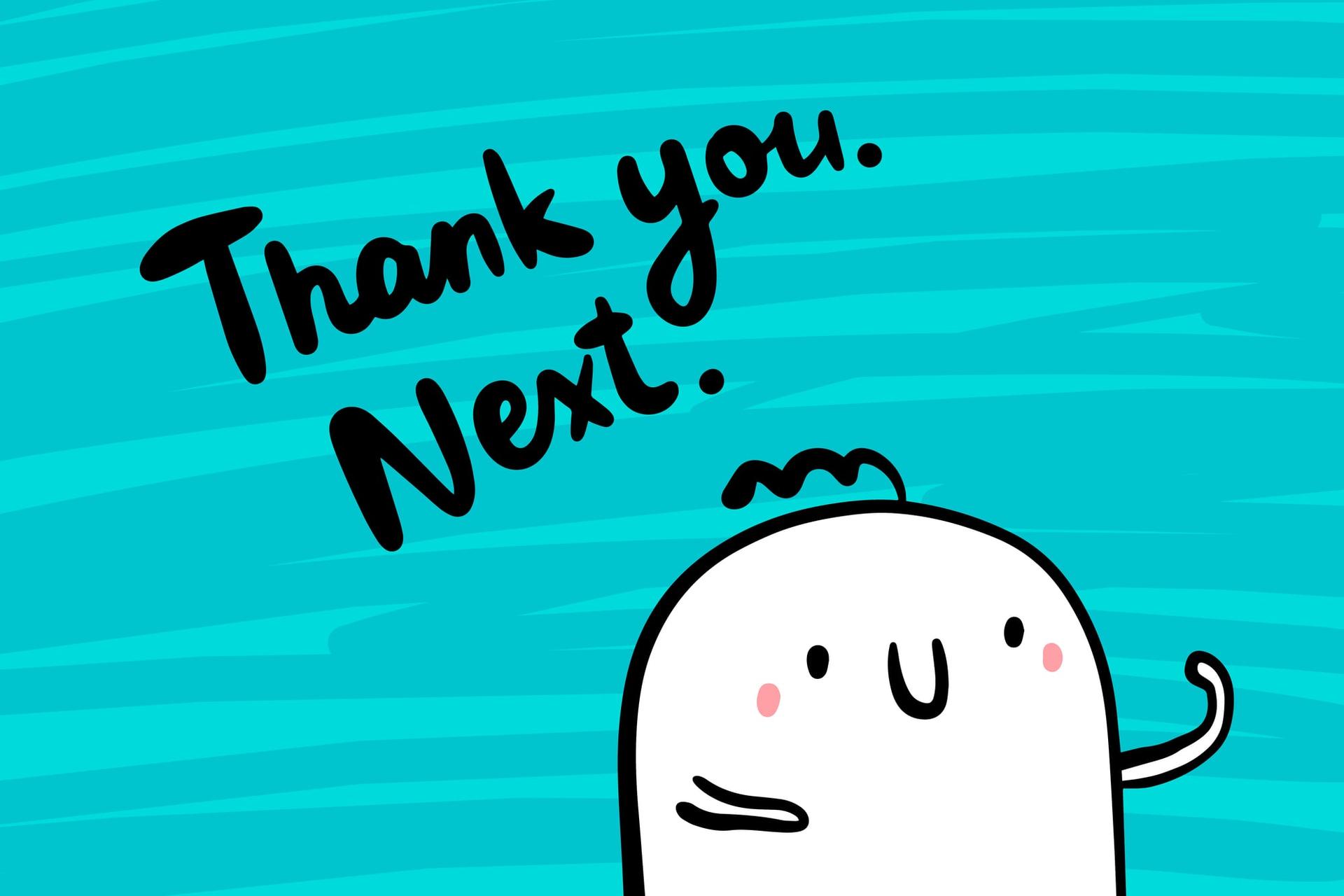
"Thanks, next" captures that exact motion: a quick nod of gratitude for the last few minutes, then, without a second thought, a fresh page.
There's no anger in it, no drama — just a breezy, almost sporty way of letting go.
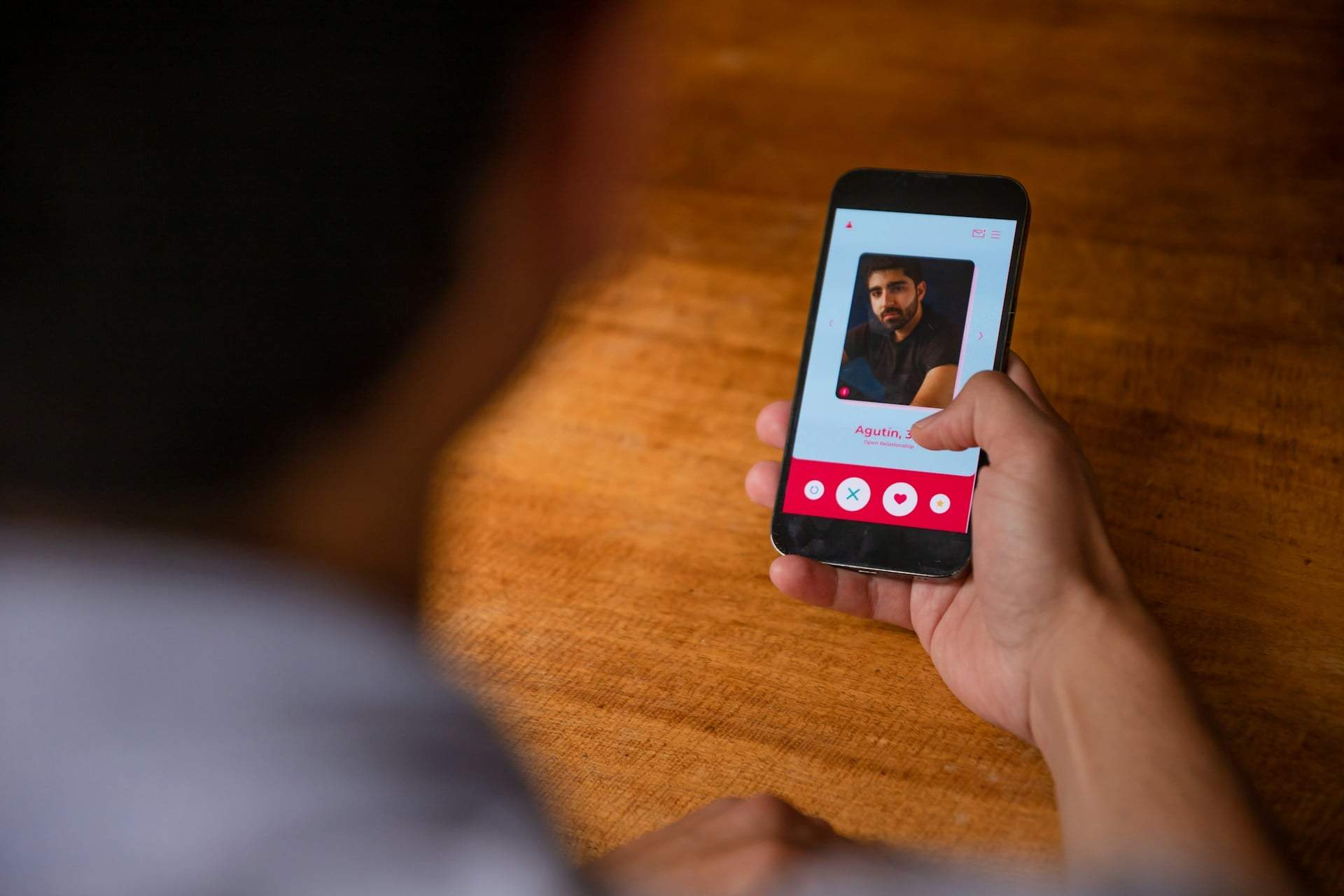
The phrase really took off in the age of social media and dating apps, where meeting someone turned into a fast, often surface-level game. People started using it in comments and stories whenever they shared a dating experience that let them down.
It quickly became a meme, because it named a feeling so many of us know: that tired-but-somehow-cheerful acceptance that not every match turns into love.
"Thanks, next" isn't giving up — it's a small act of self-protection: a phrase that lets you laugh your way forward where you might once have been left only with disappointment.
What makes it so interesting is the tone
It isn't bitter or cynical. It's easygoing and quietly confident. As if whoever says it knows they deserve something better — and simply doesn't have time to dwell on what didn't work.
That kind of closure helps a lot of people treat dating not as a life-or-death matter, but as one episode in a much longer story.
The phrase's popularity also reveals just how much the rhythm of meeting people has changed in recent years. When you're juggling several conversations in a single evening across different apps, a fast, breezy language almost has to emerge to handle the emotional ups and downs. "Thanks, next" fits that pattern perfectly: short, punchy, and instantly clear to anyone who's ever tried online dating.
These days the phrase has escaped the dating world entirely
People use it after a bad job interview when they want to move on with a laugh, or to quickly close out an awkward social moment. The common thread is always the same: something didn't go the way they hoped, but instead of endlessly analyzing it, they put a full stop on it with a single line — and keep going.
Maybe that's the real secret to why it caught on. It doesn't deny the disappointment, and it doesn't fake happiness where there is none. It just gives you room to find your balance again, fast.
It's a tiny linguistic trick, but behind it sits a deeply human wish: not to get stuck in failure, but to have the strength to open the door again — to the next possibility.
Where does the phrase "thanks, next" come from?
It grew out of the dating world, especially in the era of social media and dating apps, where people started using it in comments and stories after disappointing dating experiences. From there it spread and became a widely shared meme.
What does "thanks, next" actually mean?
It's a light, self-ironic way of letting go: a quick thank-you for the moment that just passed, followed by an easy move on to whatever comes next — without anger or drama.
Is saying "thanks, next" a negative thing?
Not according to the article. It's framed as a small act of self-protection rather than giving up — a way to acknowledge disappointment without dwelling on it and to regain your balance quickly.
Why is the phrase only used for dating?
It isn't anymore. People now use it after a bad job interview or to close out an awkward social situation too. The common thread is moving on from something that didn't go as hoped with a single, breezy line.