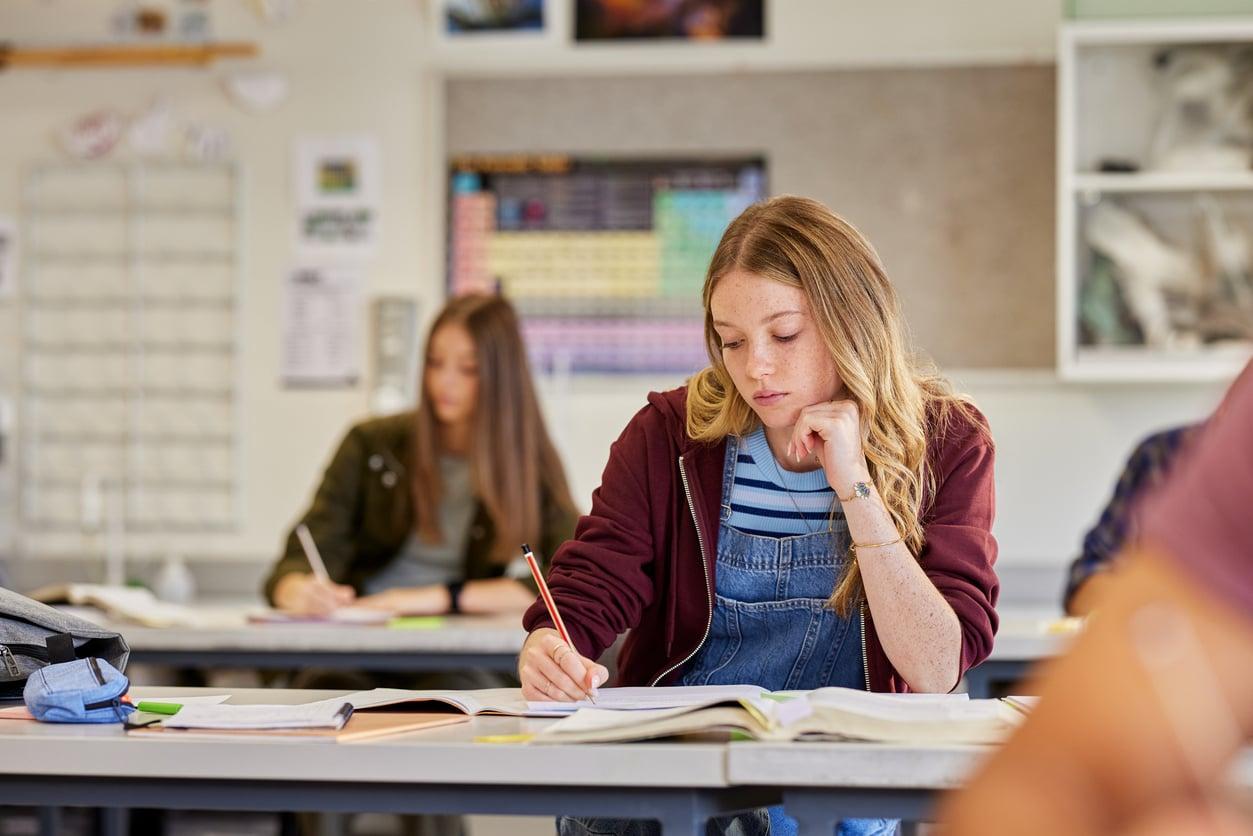
The older I get, the more I notice a strange gap. We spend years in school — learning formulas, memorizing dates, analyzing poems — and yet so many of us step into adult life completely unprepared for the things that actually matter day to day. Not because we weren't smart enough, but because nobody ever taught us.
This isn't an argument against math, literature, or history. Those subjects matter. But somewhere along the way, we forgot to teach young people how to handle money, how to manage their own mental load, or how to recognize a healthy relationship from a harmful one.
These are three topics I genuinely believe belong in every school curriculum — not because they'd improve test scores, but because they'd make real life a little more livable.
Financial literacy
This is the one that quietly trips up so many people — and it really doesn't have to.
The moment you finish school, the world hands you a bank account, a paycheck, a lease agreement, maybe a loan. And most people face all of that with almost no practical understanding of how money actually works. Nobody explained interest rates. Nobody walked them through a budget. Nobody mentioned that filing taxes is something you'll have to figure out yourself.
I'm not saying schools should turn every teenager into an economist. But understanding what interest means, how to build a simple budget, or why "free" services often cost you your personal data — that's not advanced knowledge. That's basic survival.
More importantly, financial awareness isn't just about getting rich. It's about not being vulnerable. It's about avoiding the kind of financial holes that take years to climb out of. And if starting a business or making smart investments weren't privileges reserved for people who happened to learn it from their parents, that would be good for all of us.
Sex education — real, honest, complete
I know this one is controversial right now. But I still believe it has a place in school — and I'd ask you to hear me out before assuming what I mean by it.
I'm not talking about ideology or politics. I'm talking about basic health and wellbeing information that young people genuinely need.
Because kids will encounter sexuality one way or another. If not from a trusted adult or a thoughtful curriculum, then from the internet — and often from the worst corners of it. Pretending that silence protects them is, honestly, one of the least effective strategies imaginable.
A proper sex education should be about helping young people understand their own bodies, grasp the concept of consent, and know how to protect themselves.
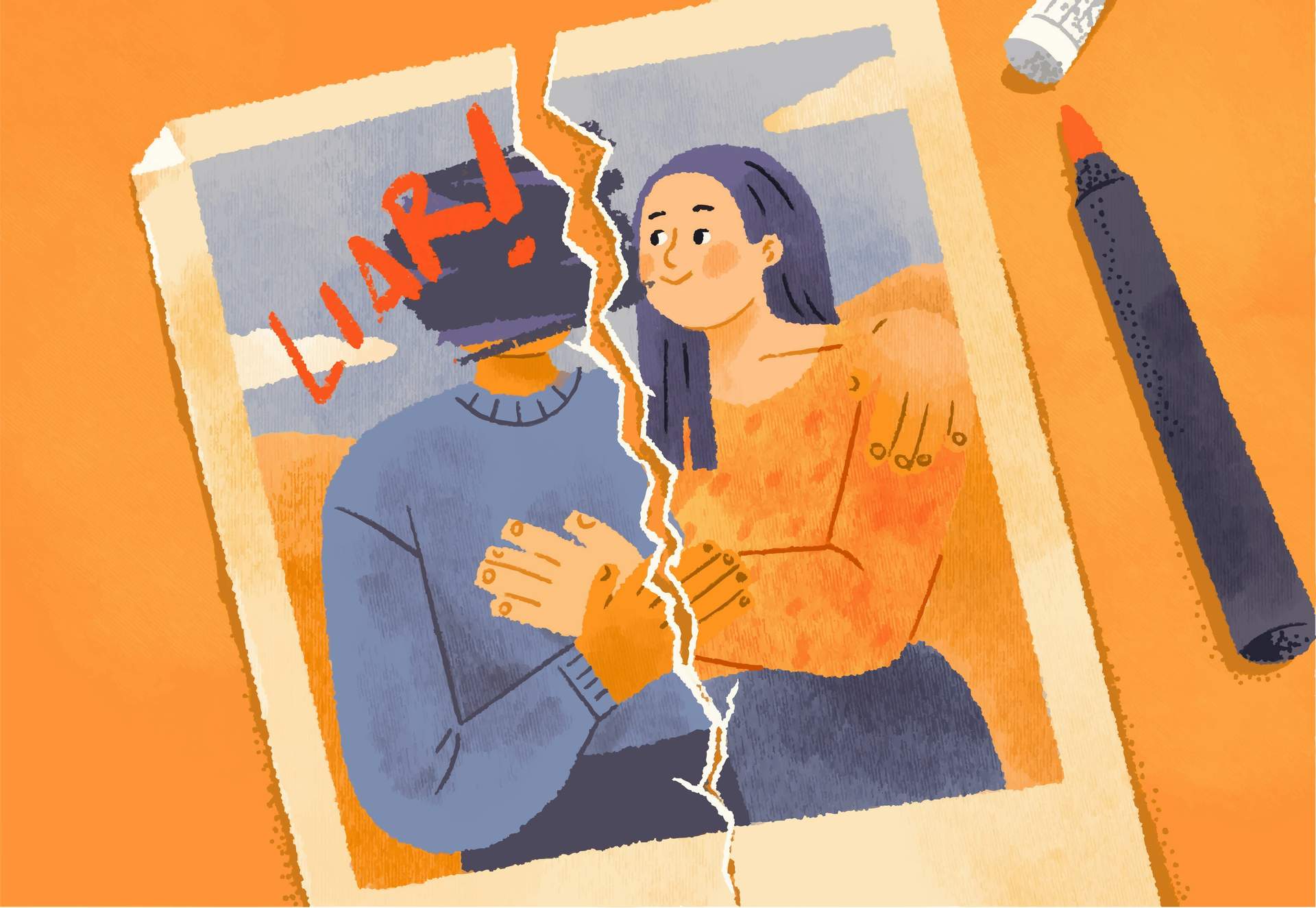
But just as important: it should help them recognize unhealthy or manipulative dynamics before they're already inside one. Young people shouldn't have to piece together how relationships work from shame, half-truths, or pornography.
They deserve the information that gives them a real shot at building something safe — emotionally and physically.
Stress management and mental health basics
Before anyone pictures mandatory meditation or crystal-healing sessions — that's not what I'm suggesting.
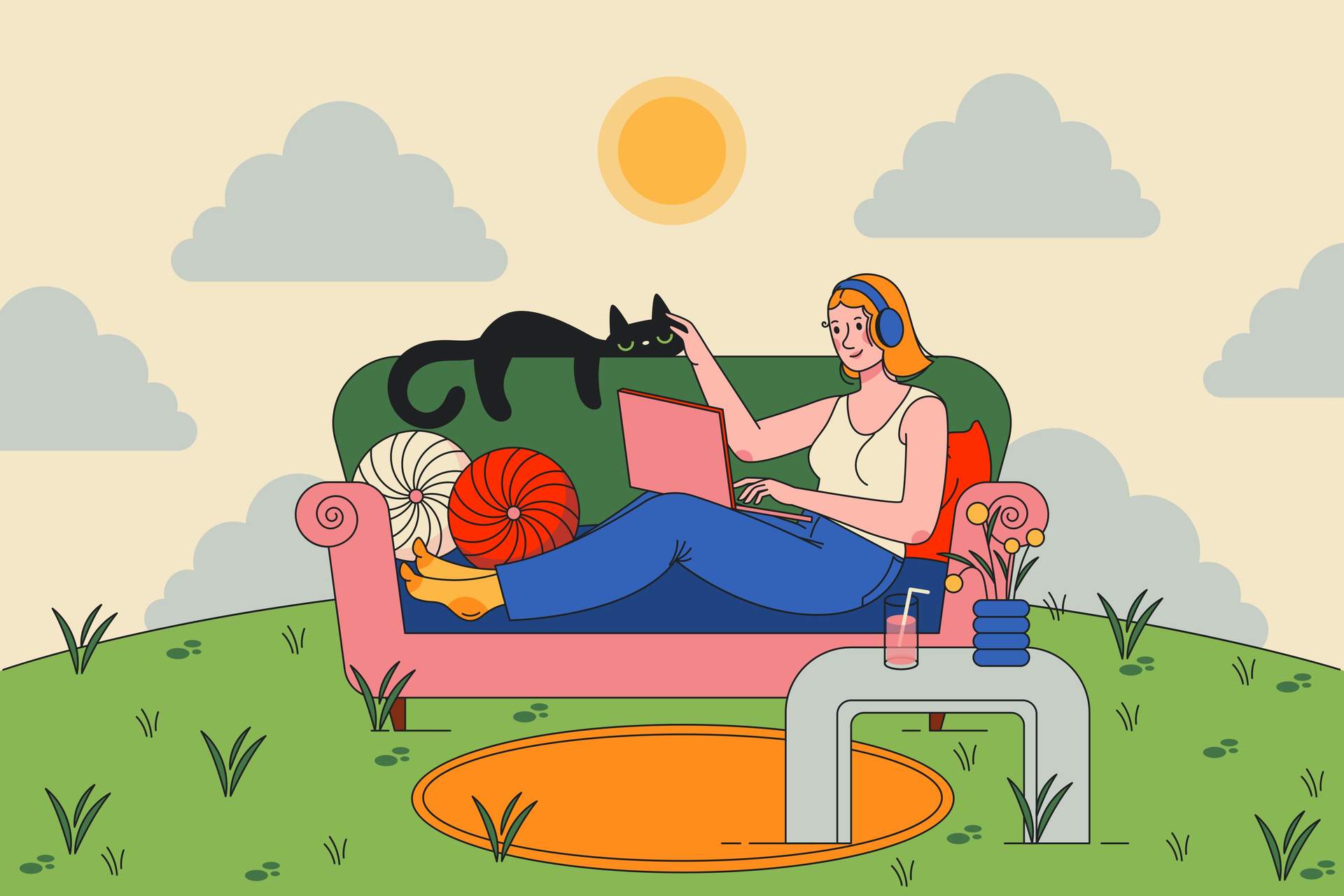
What I do think would be genuinely valuable is giving young people a few real, practical tools for managing their own mental load.
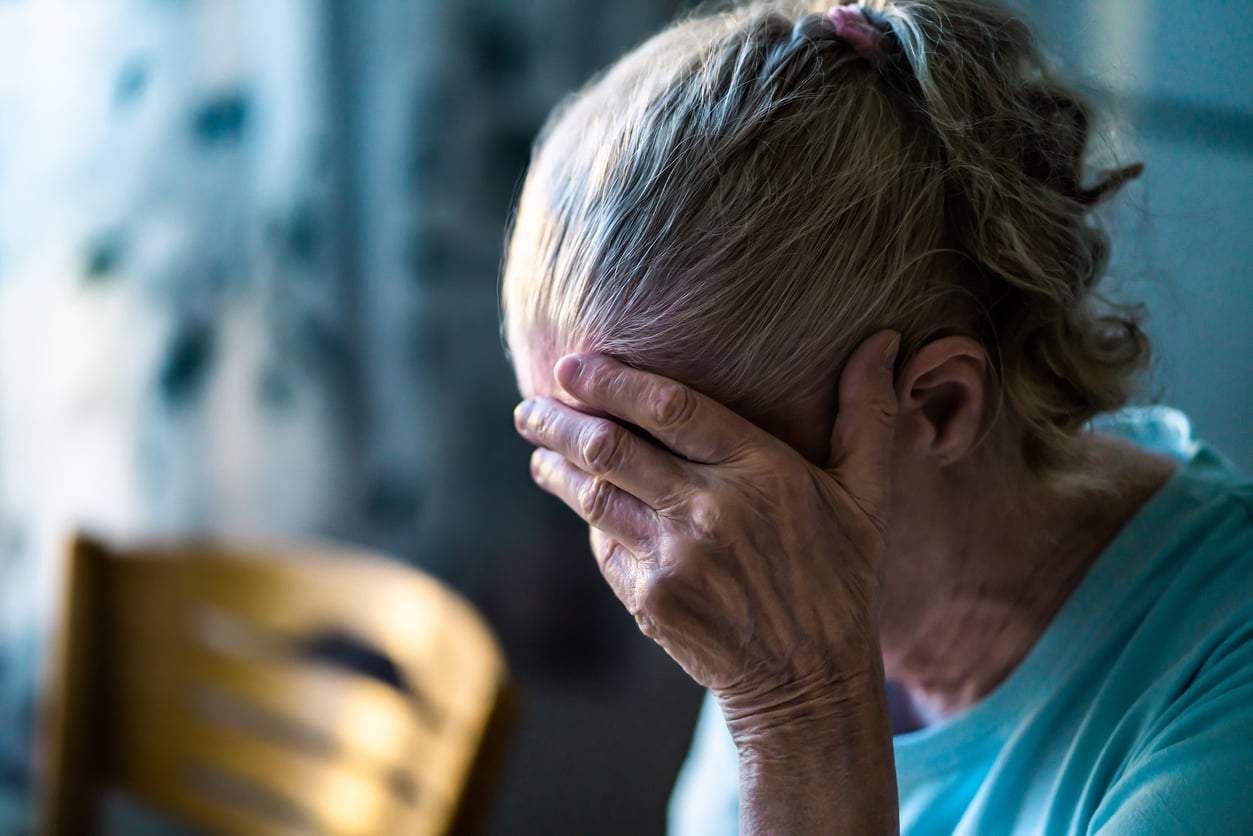
Because the world they're growing up in is relentlessly loud. Constant information, constant comparison, constant pressure to perform — all amplified by screens that never switch off. And yet many adults still don't know how to calm themselves down in a stressful moment, let alone teenagers who've never been shown how.
Learning early that you can quiet your mind — and that you don't have to believe every anxious thought you have — could make an enormous difference for so many people.
It would be worth talking openly about how anxiety works, what sleep actually does for the brain, how social media affects your mood, and — perhaps most importantly — that asking for help is not a weakness. It's one of the most useful things a person can learn to do.
I genuinely think this would help more people than any piece of trivia memorized for a test and forgotten the next morning.
School can't solve everything. It can't replace a stable home, a caring family, or the right role models. But it does have the power to give young people a few more tools to navigate life with. And right now, both as individuals and as a society, that might be exactly what we need most.