Opinion piece by Barbara Lee
Sometimes even I struggle to tell the difference between real news, manipulative spin, and outright nonsense — and I grew up in the digital age. I know how social media algorithms work. I understand why they keep pushing more and more extreme content into our feeds. I know that AI can now generate convincing fake videos and images of almost anyone.
If it's hard for me to navigate all of this, what must it feel like at nearly seventy?
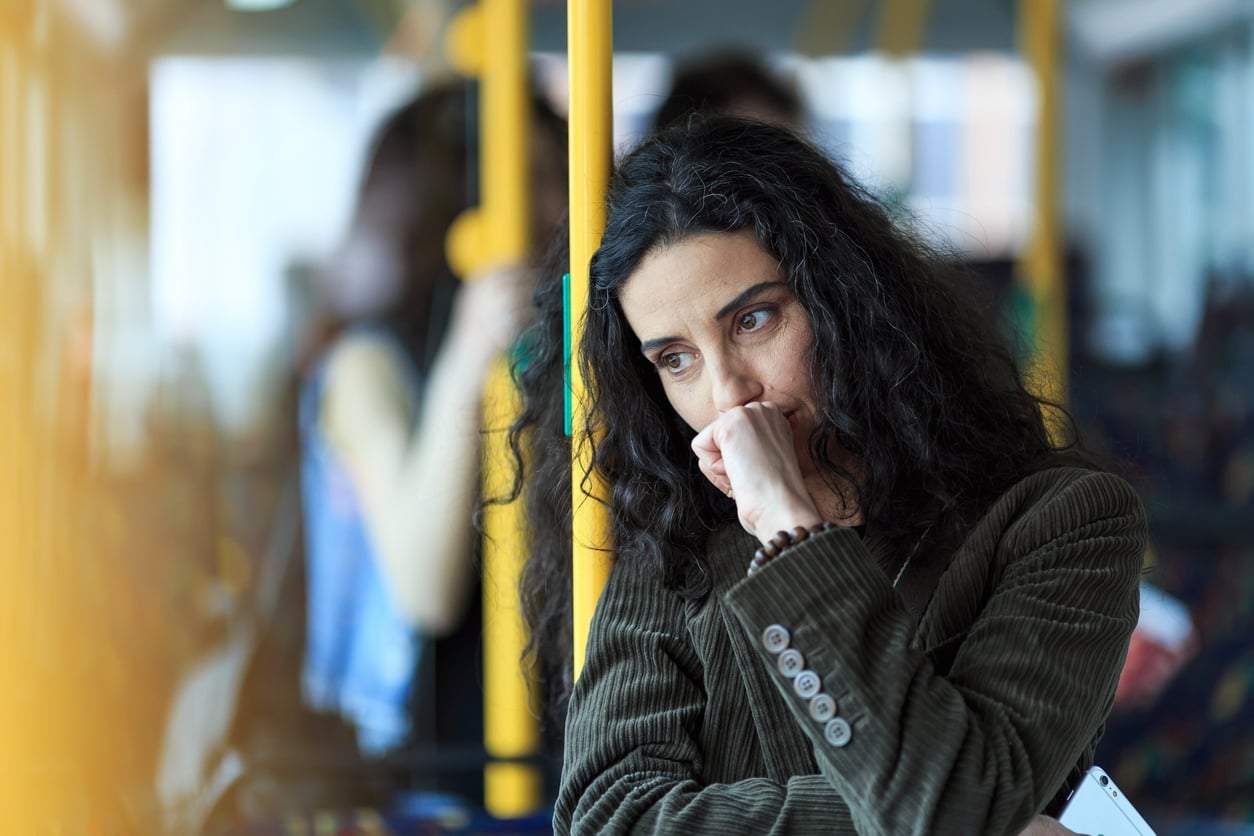
For my mom, the internet is still unfamiliar territory. She learned to use Facebook, she sends messages on Messenger, she watches videos on her phone — but I often see that look on her face. That quiet uncertainty so many older people seem to carry these days. As if they suddenly woke up in a completely different world, and nobody ever explained the rules.
The months surrounding the elections made everything worse. The media noise became almost unbearable. Alarming headlines were everywhere: economic collapse, war, fraud, secret plans, impending catastrophe.
Social media knows exactly what makes us click fastest. The more frightening something is, the more likely it is to spread.
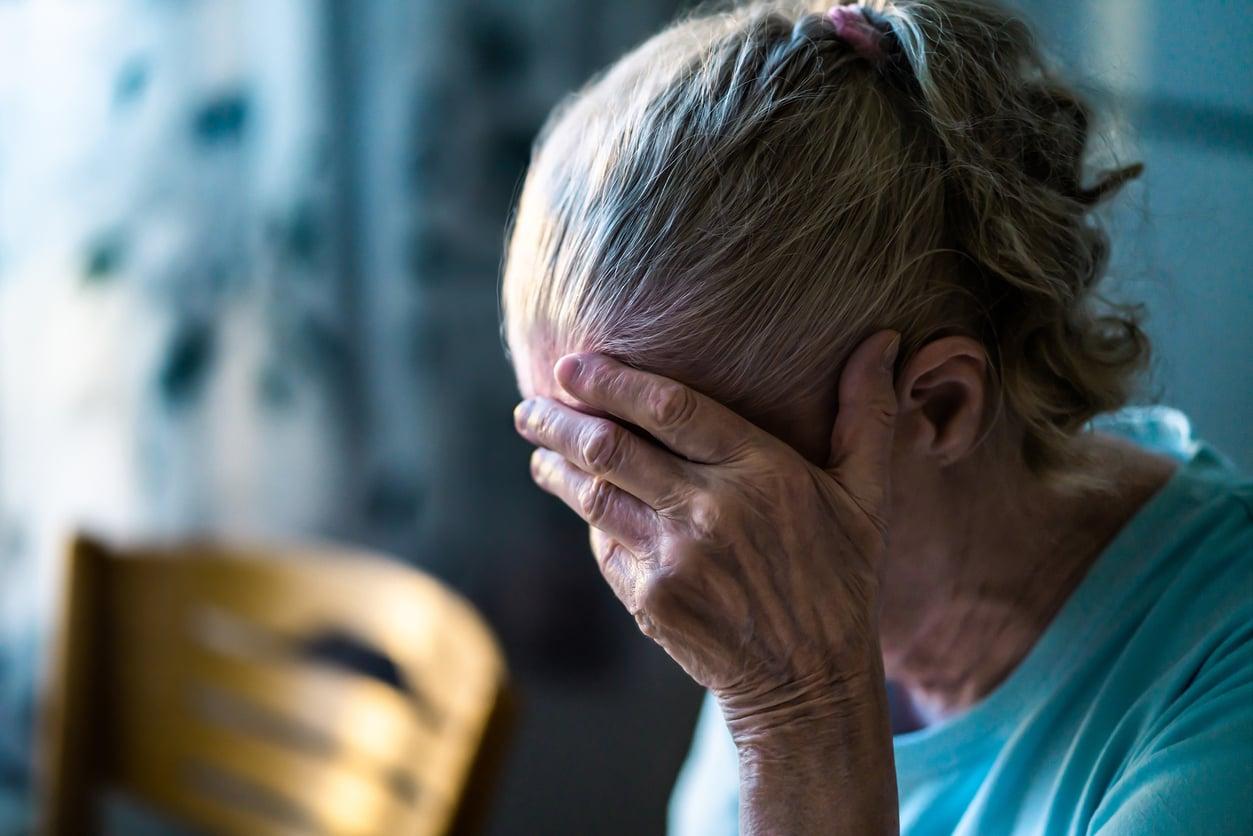
My mom started to be afraid
Some of her worries were completely legitimate. Financial anxiety, concerns about healthcare, political tension — none of that is imaginary. But there were also moments when conspiracy theories and obvious misinformation shook her deeply. A manipulated video. A screaming Facebook post. A story that came from "a friend of a friend."
And somewhere in the middle of all that, I realized something: it would be very easy to just brush it off.
To say, "Come on, how can anyone believe that?" Or, "Just stop reading nonsense on the internet."
But that doesn't actually help
Because my mom isn't naive. She simply found herself without the right tools in a world that's changing at a breathtaking pace. She grew up in a time when something printed in a newspaper or broadcast on television carried weight and accountability. Today, anyone can create a "news site," a video, or misleading content in a matter of minutes. Nobody prepared her generation for that.
So instead of laughing it off or dismissing her fears, I tried to give her something to hold onto.
One of the most important things I told her: the fact that something appears over and over again doesn't make it true. Algorithms don't search for truth — they search for reaction. If someone gets scared by a piece of content and spends time on it, comments on it, or shares it, they'll see even more of the same.
We also talked about always checking where a story comes from. Is there a real newsroom behind it? A named journalist? A recognizable source? Or is it just an anonymous page with screaming capital letters?
I also taught her to be suspicious of anything that tries to trigger an instant, overwhelming emotion. A large portion of misinformation isn't designed to inform — it's designed to shock. If a headline immediately sparks panic or rage, it's worth pausing for a moment before reacting.
We spent a lot of time talking about artificial intelligence, too. That videos, voice recordings, and images can now be manipulated convincingly. That "seeing it with your own eyes" no longer guarantees something is real.
But maybe those weren't even our most important conversations.
The most important ones were when I simply tried to reassure her.
When I told her: the world always looks scarier on the internet than it actually is. Because everyday calm isn't clickable. Nobody writes an article about how people went to work in the morning, ran their errands, came home, and nothing extraordinary happened.
Fear generates attention — that's the whole point
I also told her that she doesn't have to follow every piece of news. It's not her duty to scroll through her phone for hours just to "stay informed."
Sometimes the best decision is simply to turn the screen off.
And I keep reminding her that her own life is more real than anything on the internet. There are grandchildren, friends, her garden, her morning coffee, the neighbors, the small rituals of everyday life. These things tell you far more about the world than any fear-mongering video ever could.
I can't take away my mom's fear completely. Sometimes I can't even manage my own. But maybe that's not the point. The point is that she doesn't have to face it alone.