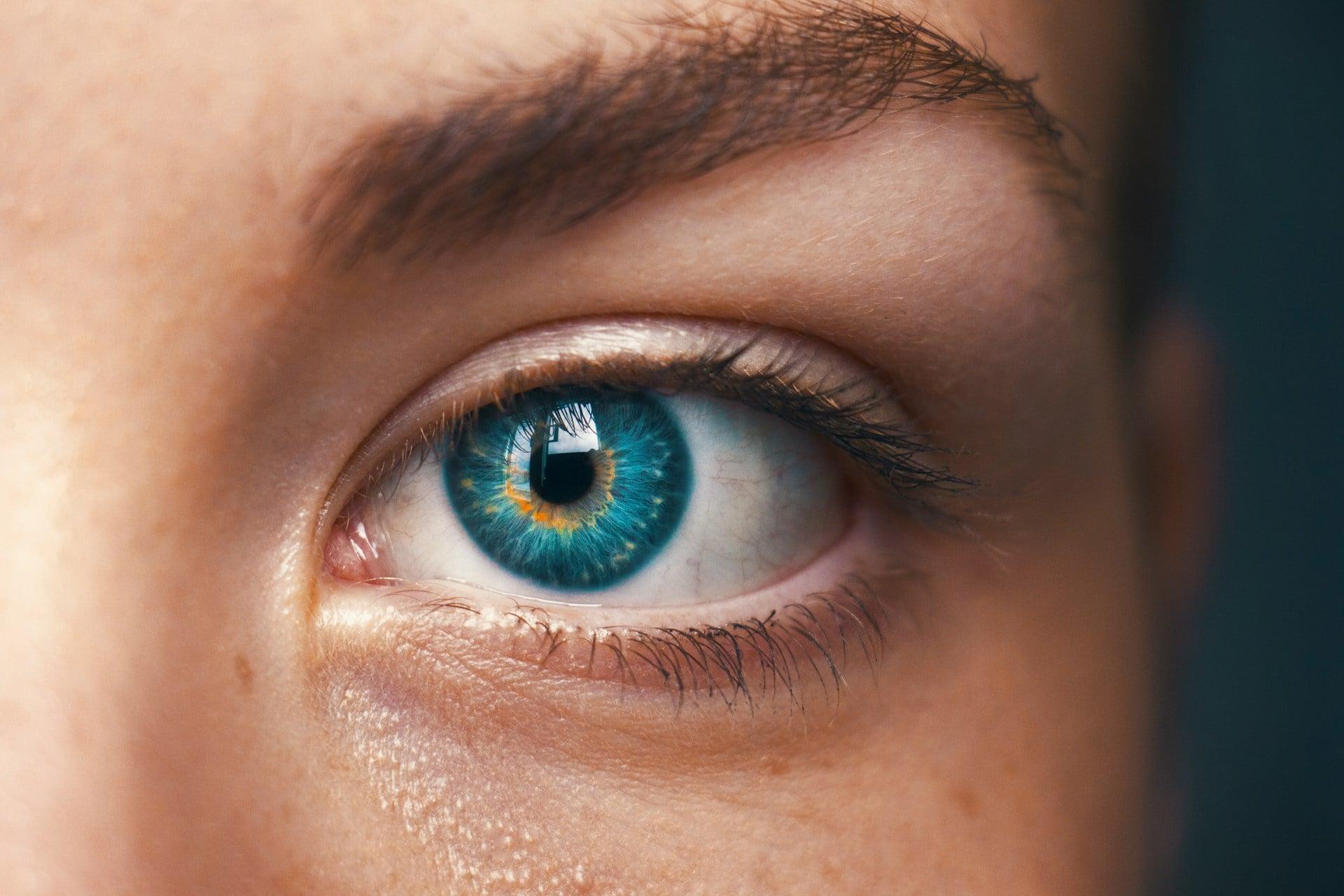
Your eyes are working right now — scanning these words, adjusting to the light, filling in details your brain quietly invents. Vision feels effortless, but the reality is far stranger and more fascinating than most of us realize. Here are 10 surprising facts about human eyesight that might change the way you see the world.
Newborns actually see the world upside down
Everyone knows babies develop quickly in their first weeks of life — but did you know that includes learning how to see right-side up? A newborn's brain isn't yet fully equipped to flip the image projected onto the retina, which means in the first few weeks of life, babies perceive the world upside down. As their eyes and central nervous system mature and begin mapping the outside world, their brain gradually learns to correct the image.
Your brain is constantly lying to you
One of the most mind-bending things about vision is that what you see isn't always what's really there. Your brain routinely generates optical illusions to fill in gaps in the information your eyes receive. When you watch a fast-moving object, for example, your brain predicts its path — and sometimes gets it slightly wrong. What feels like seeing is really a best guess, assembled in real time.
You can distinguish around 10 million colors
The human eye is capable of telling apart approximately 10 million distinct shades of color — a number that's almost impossible to truly grasp. That said, not everyone's color vision is the same. People with color blindness cannot perceive certain hues at all. Colors also trigger emotional responses, something marketers and designers have long understood and used to their advantage.
In the dark, your peripheral vision takes over
Your eyes don't just work in the center of your visual field. Peripheral vision plays a crucial and often underappreciated role — especially at night. In low-light conditions, your peripheral vision becomes your primary tool for detecting movement and navigating your surroundings, because the light-sensitive cells responsible for it are better suited to dim environments than the ones at the center of your retina.
Your eyes can reveal hidden health problems
Doctors can detect far more than eye conditions during a standard eye exam. Conditions like diabetes, high blood pressure, and even early signs of neurological disease can all show up during a routine check. The tiny blood vessels inside the eye and the color and texture of the retina act like a window into your overall health — one that's worth looking through regularly.
Birds can see what we can't
When it comes to vision, humans aren't even close to the top of the animal kingdom. Many birds can see ultraviolet light, which is completely invisible to us. This gives them access to an entirely different layer of visual information — useful for finding food, choosing mates, and navigating. Their color spectrum is simply broader than ours in ways we can barely imagine.
Nearsightedness and farsightedness are on the rise
Myopia (nearsightedness) and hyperopia (farsightedness) are among the most common health issues in the modern world. Both have a strong genetic component, but lifestyle factors are increasingly contributing to the problem — particularly excessive screen time, which puts sustained strain on the eyes and may accelerate the deterioration of vision, especially in children and young adults.
Your cornea is one of the most sensitive parts of your body
The cornea — the transparent outer layer at the front of the eye — is packed with nerve endings, making it far more sensitive to pain than most other surfaces of the body. This extreme sensitivity is actually protective: it triggers an immediate blink response to keep foreign objects and potential infections away, shielding the more delicate structures behind it.
Cats and other nocturnal animals see in a completely different way
Cats seem to glide through the dark with ease — and there's a good biological reason for that. Their eyes contain specialized cells that amplify available light, allowing them to see clearly in conditions that would leave humans nearly blind. The reflective layer behind their retina (the tapetum lucidum) bounces light back through the eye a second time, maximizing every photon available.
Vision correction technology is advancing fast
It may not be long before many of today's common vision problems become a thing of the past.
Human vision is one of the most complex and extraordinary systems in the body. The facts above barely scratch the surface of what scientists and doctors continue to discover. Taking care of your eyes isn't just about seeing clearly — it's about protecting your most important connection to the world around you.