Most people only hear about pelvic floor exercises in the context of bladder control — but that's just the beginning. When you start training these deep muscles consistently, the changes that follow touch almost every corner of your health and wellbeing. Here are four that tend to catch people off guard.
Your confidence quietly grows
It might sound unlikely, but regular pelvic floor training can have a real impact on how you feel about yourself. As your body awareness improves and you gain conscious control over muscles you never even thought about before, something shifts — you start to feel more at home in your own body.
Stronger pelvic floor muscles are also linked to improved sexual comfort and satisfaction, which naturally contributes to a more positive body image. Research suggests that consistent practice is associated with lower anxiety levels and higher self-esteem. It's a quiet kind of confidence, but it's lasting.
Your posture starts to improve
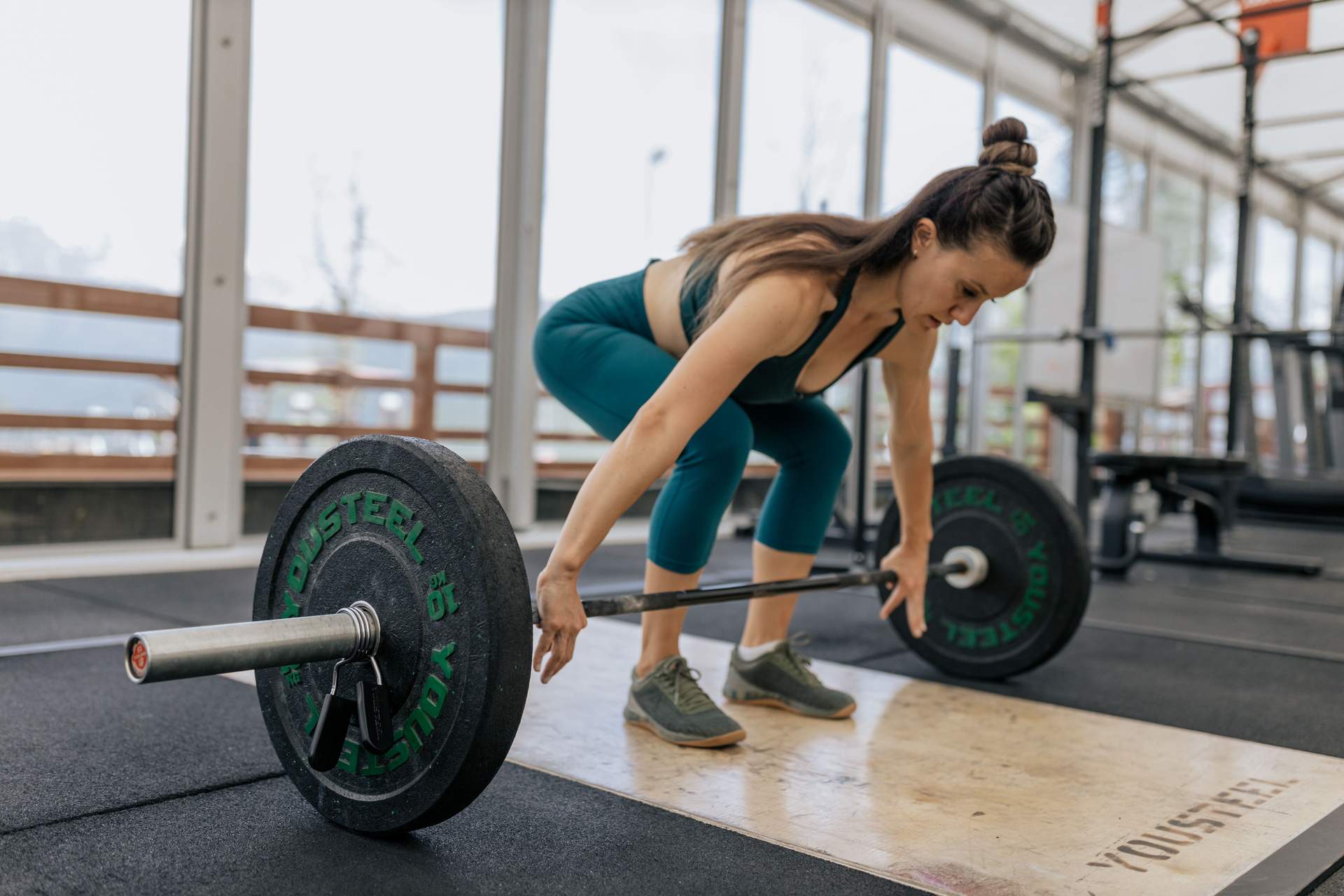
This one surprises almost everyone. The pelvic floor is part of the body's deep core muscle system — the same network responsible for spinal stability and upright posture. When you strengthen it, you're essentially reinforcing the foundation that holds everything else in place.
The result? Your body finds it easier to maintain good posture throughout the day, with less effort. Over time, this can reduce the risk of back pain and musculoskeletal issues — and your everyday movement starts to feel more fluid and intentional.
Your circulation gets a boost
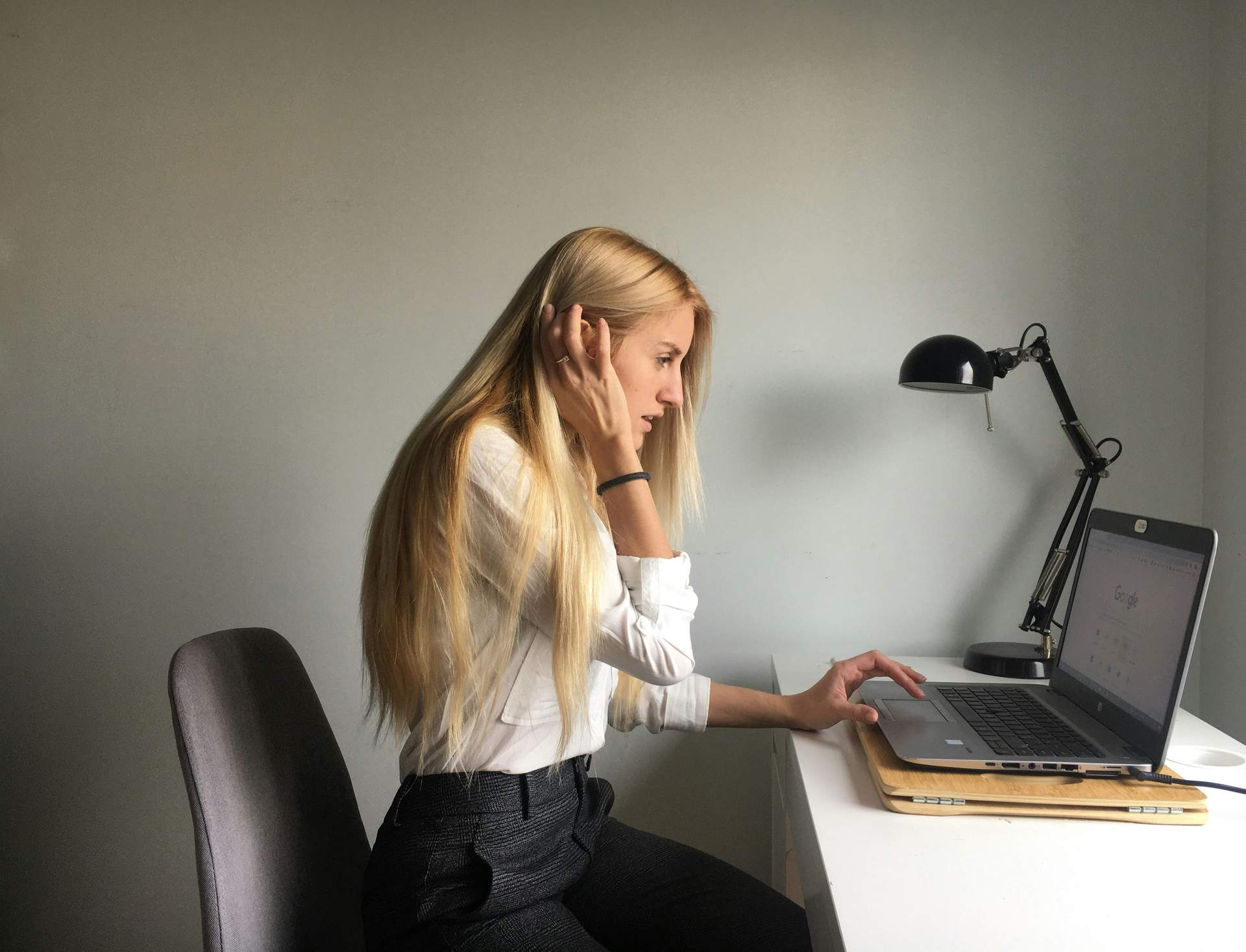
Pelvic floor exercises stimulate blood flow to an area that, for many people, is chronically underserved — especially those who spend long hours sitting at a desk. Better circulation means improved oxygen and nutrient delivery to surrounding tissues, and more efficient cellular repair.
If you have a largely sedentary lifestyle, this is particularly worth paying attention to. Regular pelvic floor training can also support the body's natural detoxification processes — a small but meaningful bonus.
Your stress levels drop
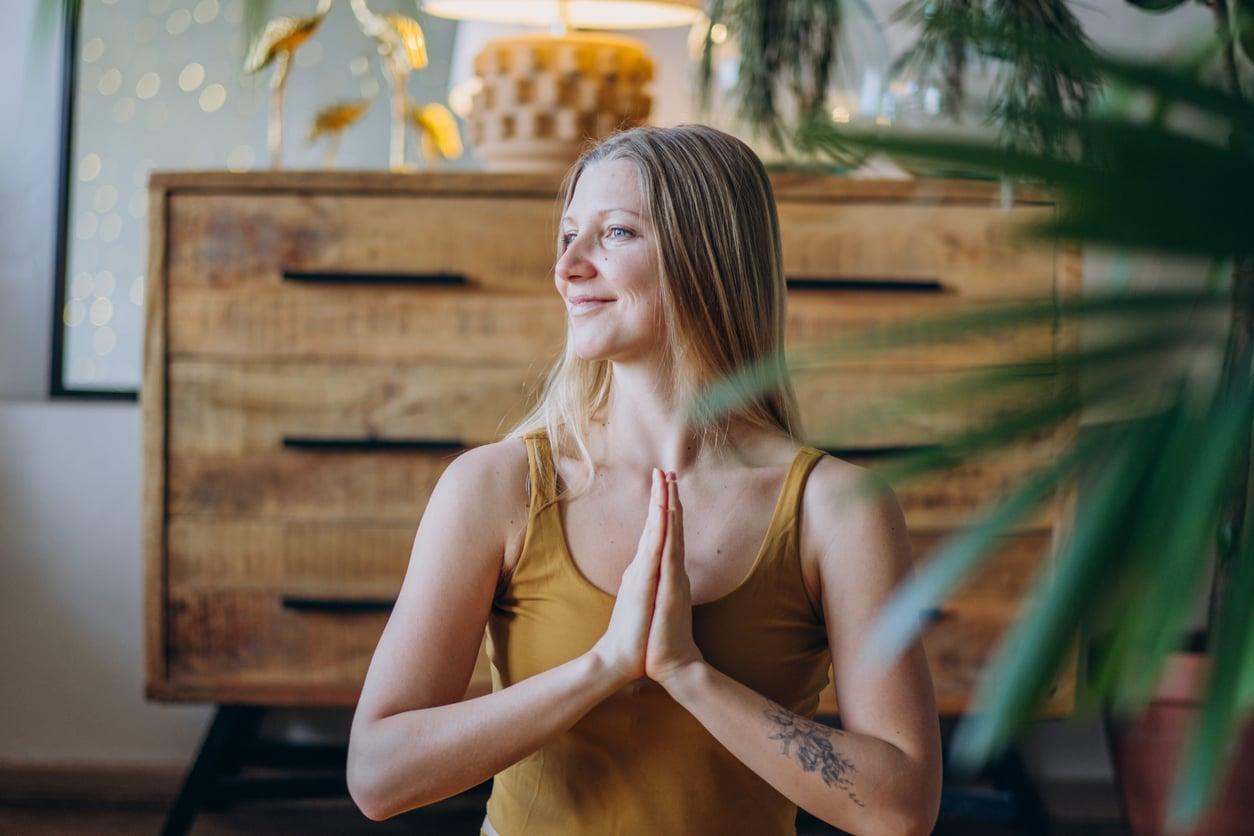
Pelvic floor training isn't just physical — it has a genuine mental dimension too. The exercises are typically performed with slow, focused breathing and deliberate concentration. That combination activates the parasympathetic nervous system, the part responsible for calm and recovery.
That focused, meditative quality of the practice can make it easier to find your inner balance — not just during the exercise itself, but in stressful moments throughout the day.
Pelvic floor exercises, then, are far more than a fix for incontinence. From stronger confidence and better posture to improved circulation and lower stress, the benefits ripple outward in ways most people never expect.
If you've been on the fence about starting, this might be the nudge you needed. A few minutes a day, practiced consistently, can meaningfully improve your quality of life — body and mind.